
In the context of the real estate market entering a strong restructuring cycle, the story of resolving difficulties for 926 projects and unlocking capital flows of over 724 trillion VND is of significant importance for economic growth, macroeconomic stability, and social welfare. It not only helps the market recover its supply but also creates a ripple effect across dozens of related industries, from construction and materials to finance and banking, as well as labor and services.
Determination from the Government
During the 2022-2024 period, the real estate market fell into a prolonged state of stagnation. A series of projects were stalled due to obstacles in land procedures, planning, determination of land use fees, changes in land use purposes, and overlaps between laws such as the Land Law, the Housing Law, and the Real Estate Business Law. As a result, nearly 3,000 real estate projects faced legal issues and could not proceed.
During this time, alongside resolute efforts to amend and supplement laws, the Government established specialized working groups to review and resolve difficulties for real estate projects in key localities such as Hanoi, Ho Chi Minh City, and Da Nang. With a new approach of directly addressing each specific project, classifying obstacles into groups—land legality, planning, financial obligations, investment procedures, or civil disputes—issues within local authority were required to be resolved definitively within deadlines. Matters beyond local authority were compiled and reported for amendments and supplements to legal regulations.
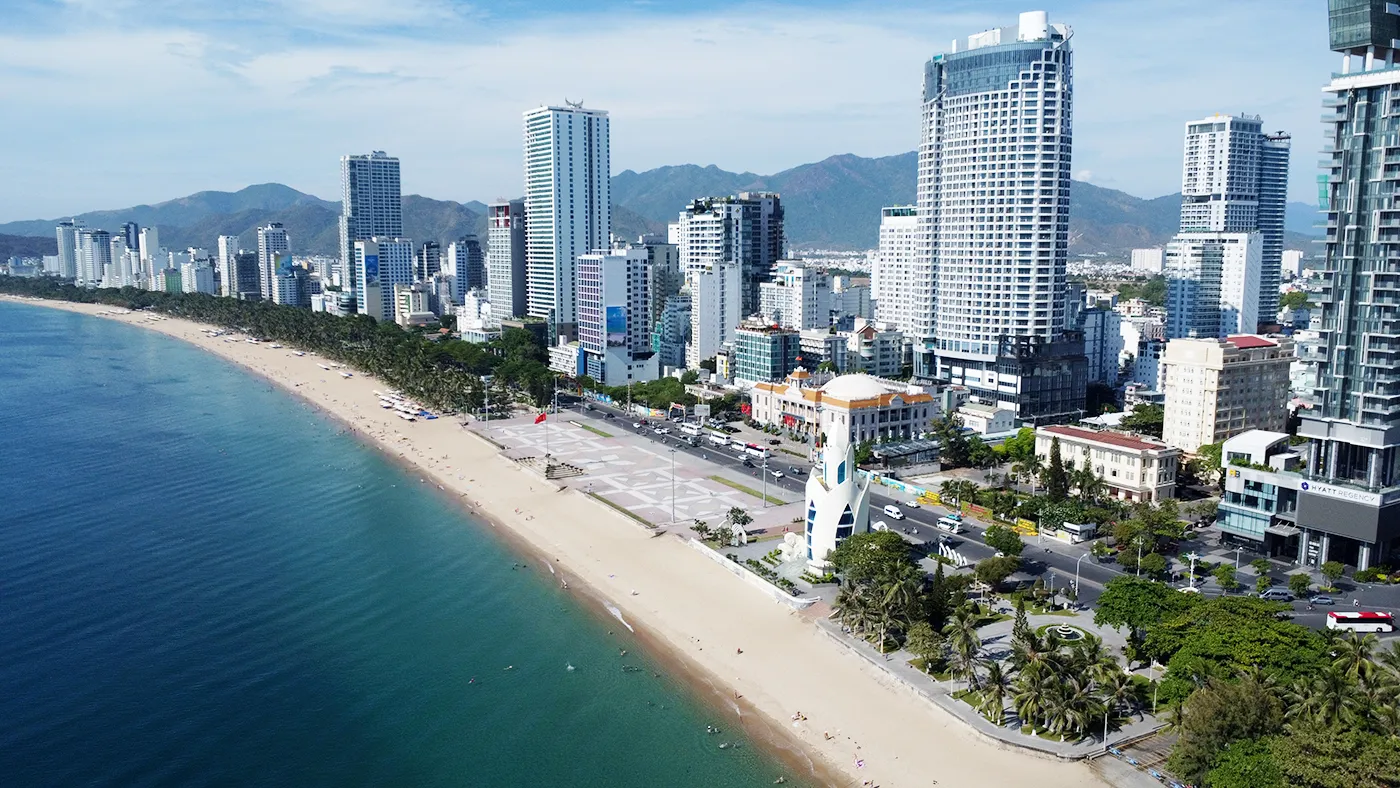
Particularly, after the amended laws—the Land Law, the Housing Law, and the Real Estate Business Law—were passed by the National Assembly and took effect, they created a new, more synchronized legal framework. Regulations on land auctions, bidding for projects using land, determining land prices based on market principles, and expanding the scope of home ownership have helped the market recover noticeably.
Alongside the market’s recovery, the quality of projects is increasingly improving, with the emergence of many new development models that ensure synchronization of technical infrastructure, social infrastructure, and utility systems. Investment activities have also seen positive changes as more projects apply modern technology, advanced design solutions, and are environmentally friendly, aligning with the sustainable development direction being promoted.
“Specifically for the commercial housing segment, by the end of 2025, functional agencies had resolved obstacles for 926 projects with a total capital scale of about 724 trillion VND, creating conditions for these projects to continue implementation and sales. This is seen as an important foundation for the real estate market to transform towards a healthier, more transparent, and sustainable development, in sync with the strong growth phase of the economy in the new era.”
Creating a New Growth Cycle
Real estate is not just an isolated sector but is closely linked to over 40 other industries. When projects are “frozen,” not only do real estate enterprises face difficulties, but construction contractors, material suppliers, design consultants, brokers, and temporary workers are also affected in a chain reaction.
Notably, the real estate market is directly tied to the housing needs of the population, especially in the social housing and affordable commercial housing segments. Hundreds of trillions of VND in capital being “buried” in delayed projects means a shortage of supply, difficulty in reducing housing prices, and shrinking opportunities for middle- and low-income earners to settle.
“From a macroeconomic perspective, when investment capital flow is not circulating, the efficiency of using social resources declines. The state budget is also affected when land use fees, taxes, and charges are not collected promptly; meanwhile, the banking system faces the risk of increasing bad debts if enterprises cannot repay loans on time.”
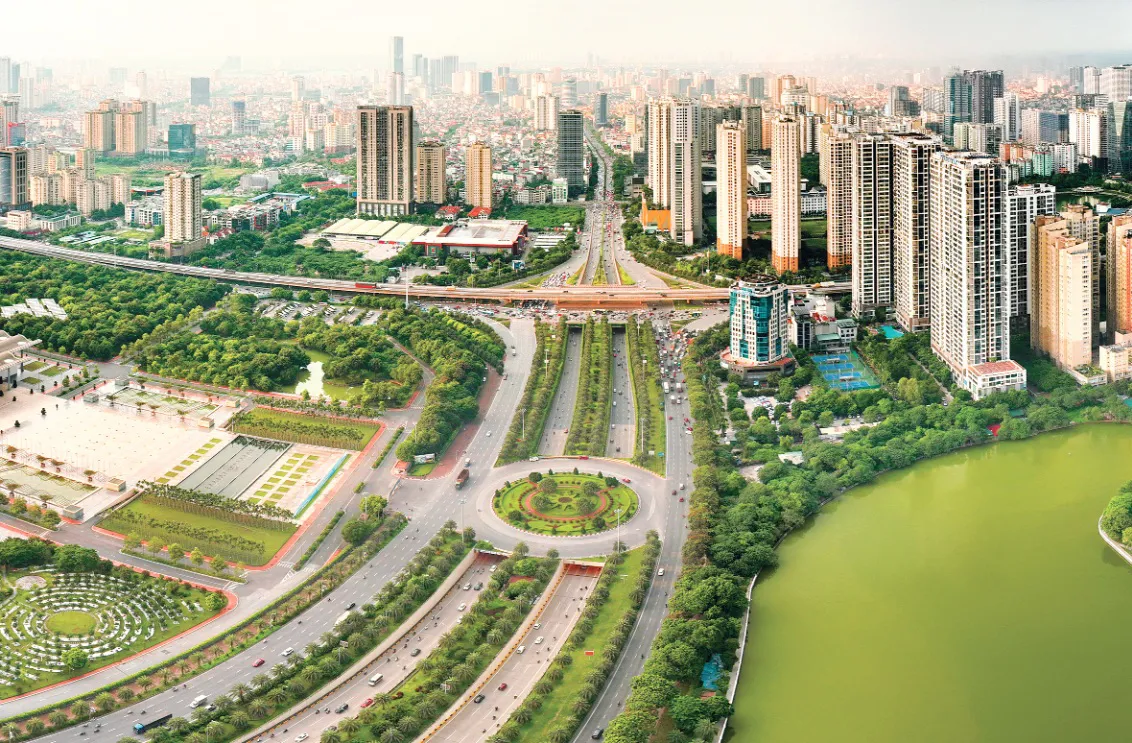
Many opinions suggest that “unlocking” 724 trillion VND in investment capital for 926 real estate projects does not equate to indiscriminate “bailouts.” The principle set is to support feasible projects that meet
![[Podcast] Tin tức ngày 20-7: Gửi 29 triệu tin nhắn Zalo hướng dẫn ứng phó bão số 3 Wipha](https://asiacity.news/wp-content/uploads/2025/07/media-cdn-v2.laodong.vn-storage-newsportal-2025-7-20-1543395-_bao-so-3-14h-150x150.gif)