On the morning of December 19th, in Phu Thuong ward, under the direction of the Hanoi People’s Committee, a consortium of investors including Dai Quang Minh, Van Phu, MIK Group, Thaco, T&T Group, and Hoa Phat Group held the groundbreaking ceremony for the Red River Landscape Boulevard Axis Project. The project is expected to be a breakthrough in infrastructure development and riverside urban reconstruction, opening up a sustainable and modern development space for the Capital in the new period.
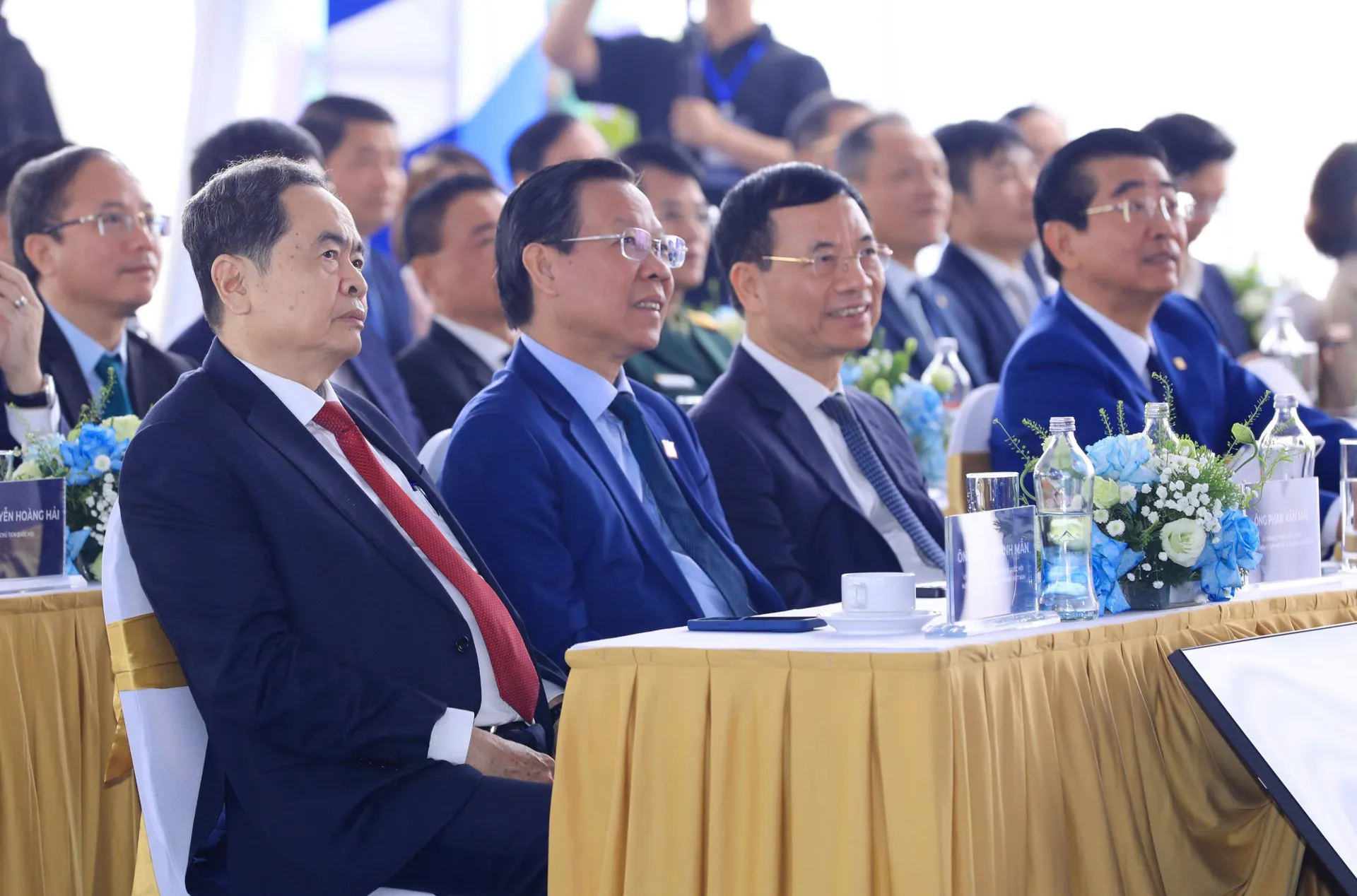
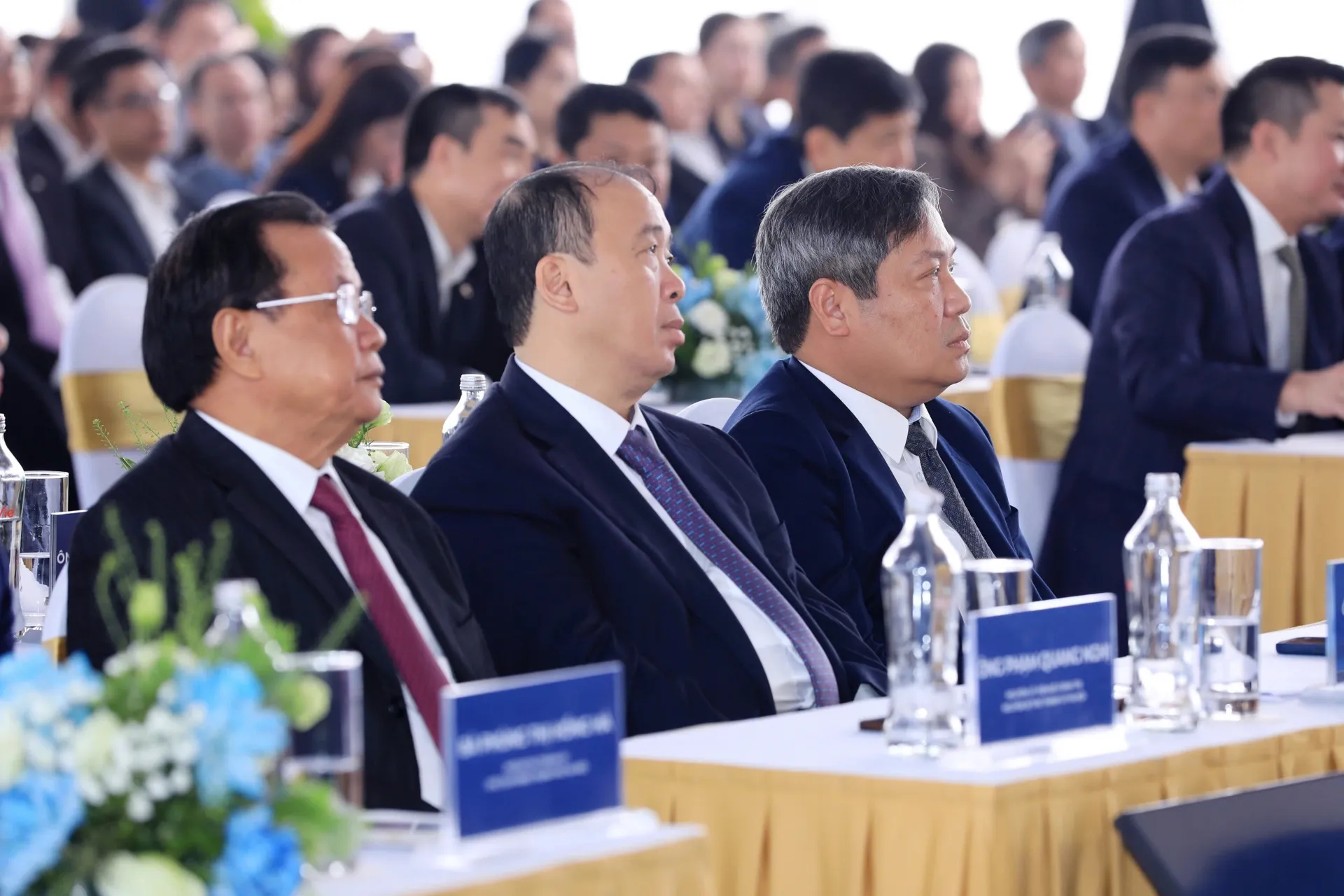
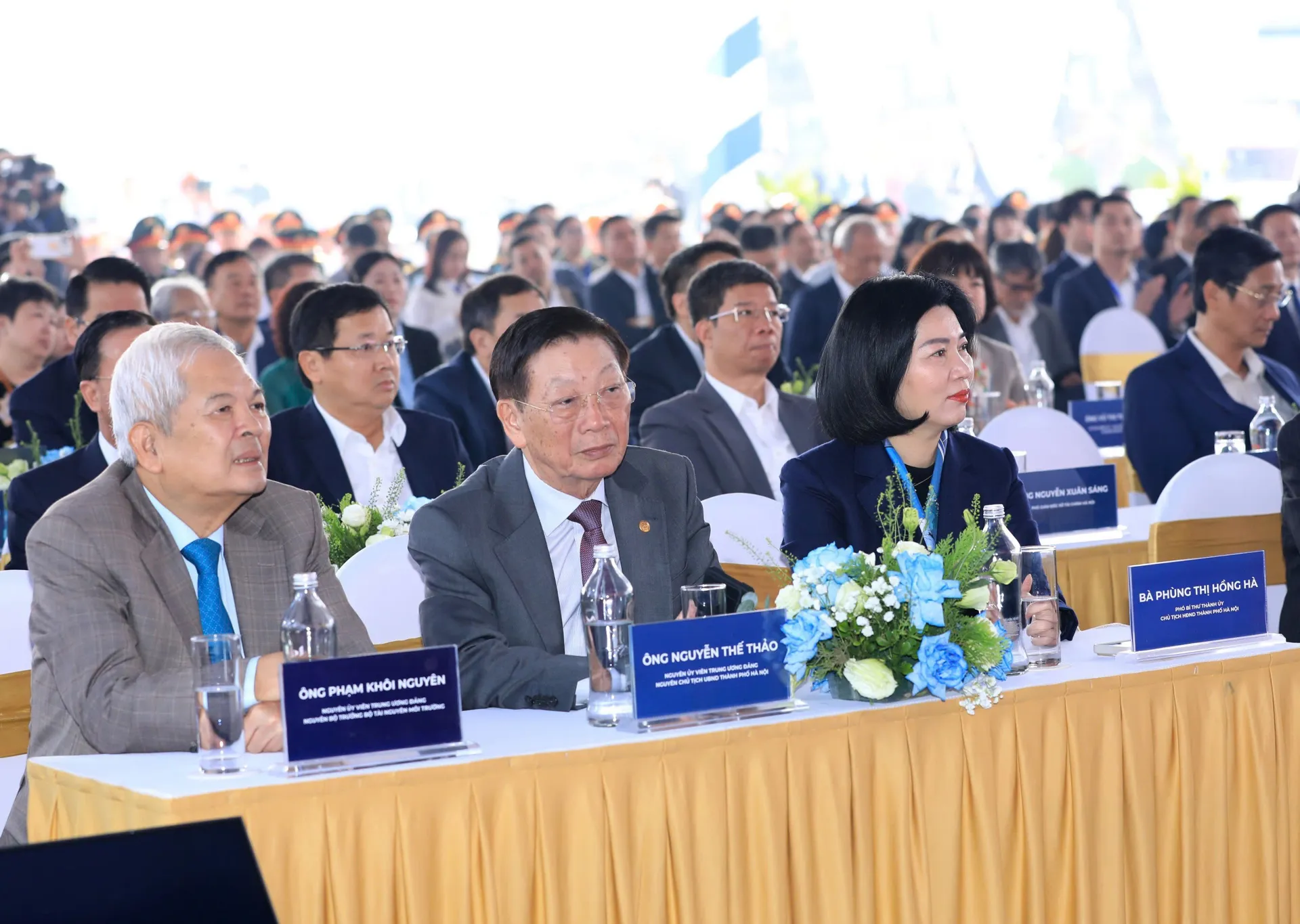
Attending the groundbreaking ceremony were Politburo Member, National Assembly Chairman Tran Thanh Man; former Politburo Member, former Hanoi Party Committee Secretary Pham Quang Nghi; and other Central Committee Members including Chairman of the National Assembly’s Committee on Economic and Financial Affairs Phan Van Mai, Permanent Deputy Head of the Central Internal Affairs Commission Vo Van Dung, Minister of Science and Technology Nguyen Manh Hung; State Auditor General Ngo Van Tuan; former Central Committee Member, former Minister of Natural Resources and Environment Pham Khoi Nguyen…
Representing Hanoi City were Central Committee Member, Deputy Secretary of the City Party Committee, Chairman of the Hanoi People’s Committee Vu Dai Thang; former Central Committee Member, former Chairman of the Hanoi People’s Committee Nguyen The Thao; Deputy Secretary of the City Party Committee, Chairman of the Hanoi People’s Council Phung Thi Hong Ha…
A Project of Exceptionally Large Scale, Driving the Reconstruction of Riverside Urban Space
The Red River Landscape Boulevard Axis Construction Investment Project is one of 234 key works and projects across 34 provinces and cities simultaneously commencing construction, being inaugurated, or having their technical traffic opened to welcome the 14th National Party Congress. The project’s groundbreaking contributes to realizing the country’s strategic development orientations and concretizing the development goals of the Capital Hanoi in the new period.
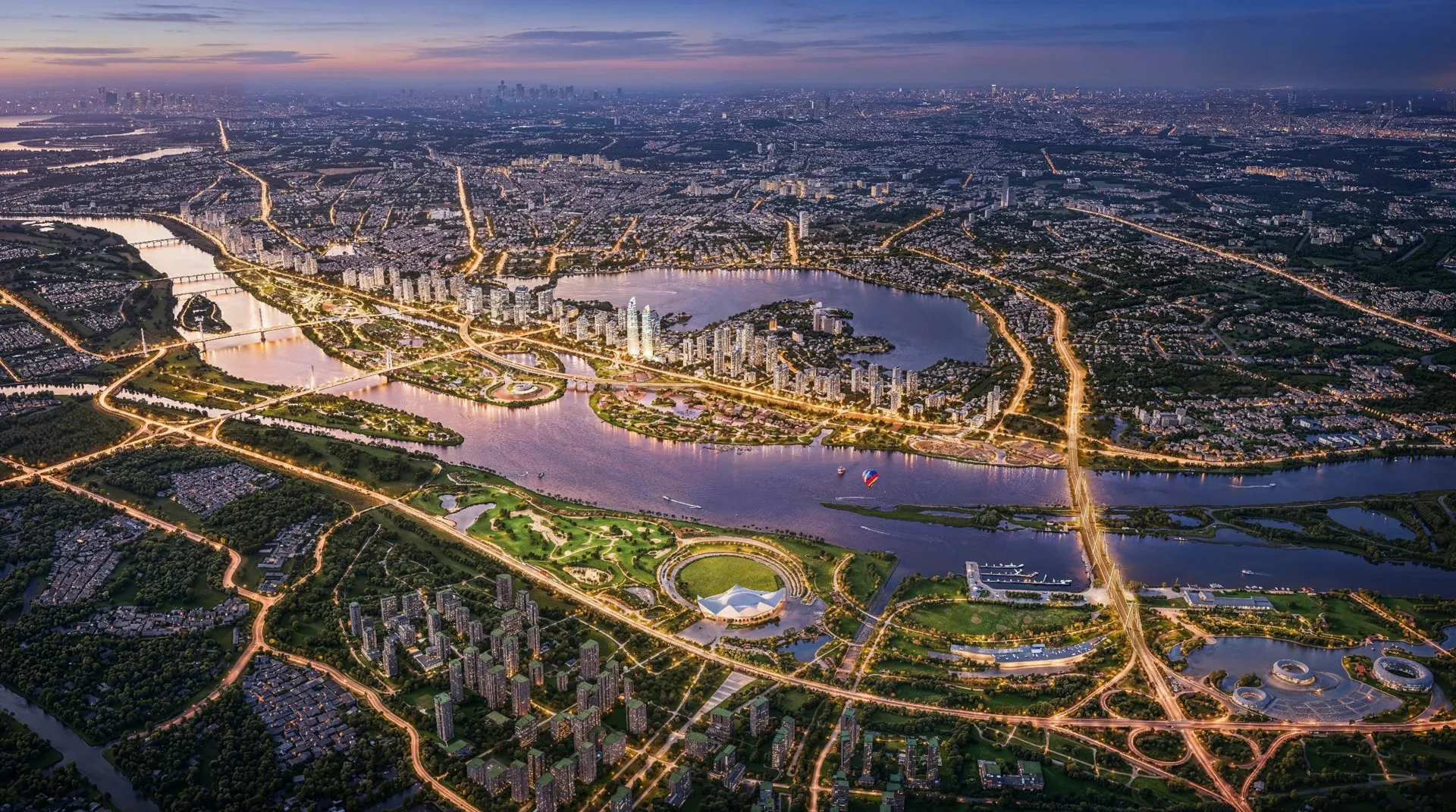
According to planning orientation, the Red River Landscape Boulevard Axis Construction Investment Project has a preliminary total investment of approximately 855,000 billion VND, implemented under a Public-Private Partnership (PPP) model. The project has a research scope of about 11,000 hectares, stretching from Hong Ha Bridge to Me So Bridge, within the administrative boundaries of 19 communes and wards of Hanoi City.
The investment scale includes a Transportation Boulevard Axis approximately 80km long; a system of landscape parks and recreational areas covering about 3,300 hectares; along with a land fund for site clearance of about 2,100 hectares for urban reconstruction and development. The Red River Landscape Boulevard Axis Construction Investment Project is divided into 4 independent component projects.
Among them, Component Project 1 is the Left Bank Red River Landscape Boulevard Axis, implemented in 7 communes and wards including Me Linh, Thien Loc, Vinh Thanh, Dong Anh, Bo De, Long Bien, and Bat Trang. The project includes the Left Hong Boulevard with a scale of 4-10 lanes, about 35.78km long; a riverside landscape road about 29km long; a system of 4 landscape park clusters with a total area of about 2,250 hectares, and a river embankment system on the Left Hong side about 29km long.
Component Project 2