
After a prolonged period of rapid growth, the real estate market is undergoing an unprecedented “purge.” Numerous weak enterprises are being eliminated, many delayed projects are forced to restructure, while legal regulations are increasingly tightened towards greater transparency and discipline. This process is laying the foundation for a more sustainable, healthy, and professional development cycle.
The Inevitable Consequence of Misaligned Growth
Looking back at the 2020-2022 period, the real estate market witnessed a large-scale wave of speculation, with capital pouring heavily into land plots, villas, and luxury apartments driven by expectations of short-term profits. Prices in many areas skyrocketed, far exceeding real value and the affordability of the majority of the population. The misalignment between supply and demand, and between actual housing needs and short-term flipping, created a “bubble” laden with potential risks.
When credit was tightly controlled, corporate bonds were restricted, and legal inspections and audits were intensified, the market was forced to “slow down.” Liquidity plummeted, many investors became cash-strapped, and companies lacked capital to implement projects. This is precisely when the purge process became evident, eliminating entities lacking financial capacity and risk management skills.
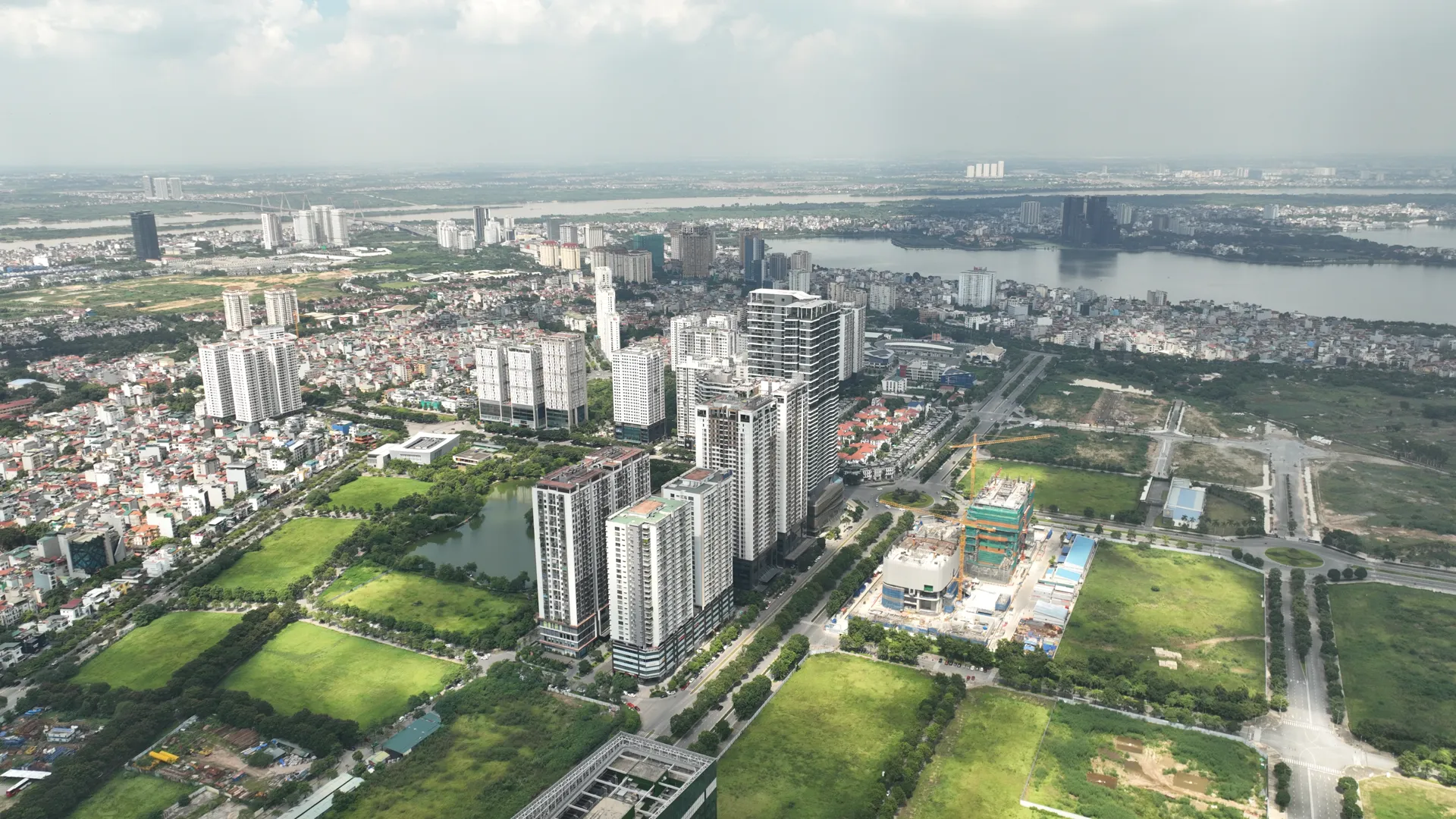
“This is an inevitable law of any market after a hot growth cycle. Purge is not negative, but a necessary medicine for real estate to return to its real trajectory and approach true value. After the purge, real estate enterprises will see a clear differentiation. Companies following the ‘high leverage – quick profit’ model will gradually see their role diminish, while investors with strong financial potential, clean land funds, and long-term strategies will maintain a leading position.”
The restructuring trend is occurring deeply and widely, not only financially but also in project development thinking. Instead of chasing high-end segments with large profit margins but high risks, many companies are starting to return to real demand – affordable housing, social housing, products serving actual homebuyers. This is considered a crucial shift, moving the market from a state of “speculation-driven” to “centered on actual housing needs.” Post-purge projects are also invested more systematically in legal aspects, planning, construction quality, and amenities, creating real value for residents instead of focusing solely on short-term profitability factors.
However, a major question many are concerned about is whether real estate prices will drop sharply after the purge? According to experts, a deep, widespread decline is unlikely to occur because land costs, construction materials, labor, and legal procedures remain high. However, the market will enter a period of “stagnation,” with localized adjustments in specific areas and segments. Products whose prices were inflated far beyond their real value will be forced to adjust, while projects with clear legal status and good locations will maintain stable prices.
A healthy real estate market must be guided by planning, not by speculative psychology. The market has paid the price for development driven by trends and chasing price surges. After the purge, the requirement is to take planning as the foundation, infrastructure as the pillar, and quality of life as the goal. Real estate is not just about the selling price, but about living space, environment, and urban connectivity. This period is precisely the opportunity to re-establish urban development order towards green – smart – climate-resilient directions.
More importantly, after the purge, real estate prices will more closely reflect actual supply and demand, gradually reducing the situation of “speculation creating waves” and “artificial fever.” This is an opportunity for those with genuine housing needs to access housing at more reasonable prices compared to the previous period. Additionally, the purge is also dramatically changing investor psychology. From favoring short-term flipping and expecting quick profits, many investors have shifted to long-term strategies, focusing on careful analysis of legal factors, actual exploitation potential, and sustainable appreciation ability.
“The market therefore becomes ‘slow but steady,’ reducing short-lived hot fevers but opening up a period of more stable development. Professional investors will pay more attention to cash flow from exploitation like rentals, service business… instead of just relying on price differences. This is a positive sign, contributing to the formation of a mature real estate ecosystem, reducing risks for both investors and the economy.”
Expectations for a Healthier Development Cycle
After the market is “filtered,” some segments are forecast to become bright spots: Affordable housing and social housing will be segments meeting the large demand of the population,