Boiled Fish from Medang Deras Coal Area Enters Export Market, MSMEs Need Capital Support
Medang Deras District in Batu Bara Regency, North Sumatra, continues to solidify its position as a center for salted and boiled fish production, supporting the economy of the coastal community. Processed seafood products from this region have even penetrated international markets.
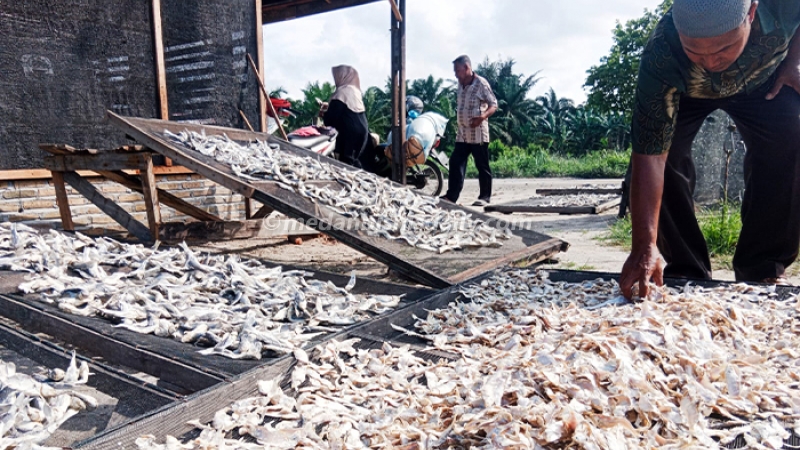
One well-known home-based business owner is Zulkifli (64), a resident of Nanassiam Village, Medang Deras District. The boiled fish products he processes are known for their quality and are in high demand by traders from various regions who come directly to the production site.
A fish trader stated that the boiled fish produced by Zulkifli has better quality compared to other similar products.
“The fish from Mr. Zul is of good quality because it’s purchased directly at the drying location, so it’s still fresh and less prone to spoilage,” they said.
Zulkifli explained that the boiled fish business he manages with his family has been running for the past six years and involves six workers. The types of fish processed include anchovies, mullet, and shrimp.
“The process is simple. Fresh fish from the fishermen is washed clean, boiled with salt for about six to seven minutes, and then dried for approximately six hours,” he explained.
In one day, Zulkifli can process between 500 kilograms and 1 ton of boiled fish. Most of the production output is directly absorbed by traders on-site, while the remainder is marketed to several areas in North Sumatra.
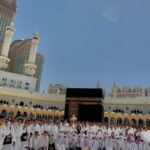
“In addition to the local market, some of this boiled fish is also exported abroad, one of the destinations being Mecca,” he revealed.
Although demand continues to increase, limited capital remains the main challenge for business development. Zulkifli hopes for support from local or central government so that production capacity can be increased.
“We hope for capital assistance from the government so this business can develop further and absorb more labor,” he concluded.
Medang Deras District
Medang Deras is a district located in the North Sumatra province of Indonesia, primarily on the island of Sumatra. Historically, the area has been shaped by the region’s significant Batak culture and its economic development, which was heavily influenced by the expansion of plantations and the port industry in nearby coastal cities like Tanjungbalai. Today, it functions as an administrative and economic region within the larger Batu Bara Regency.
Batu Bara Regency
Batu Bara Regency is a regency located on the northeastern coast of North Sumatra, Indonesia, established in 2007 from part of the former Asahan Regency. Its name, meaning “coal stone,” reflects its historical significance as a site for coal mining, an industry that began during the Dutch colonial era in the late 19th and early 20th centuries. Today, it is an emerging economic area known for its industrial parks, ports, and cultural heritage as part of the Malay coastal communities of Sumatra.
North Sumatra
North Sumatra is a province on the Indonesian island of Sumatra, most famous for being home to Lake Toba—the world’s largest volcanic lake, formed by a super-eruption around 74,000 years ago. The region has a rich cultural history as the heartland of the Batak people, whose distinct traditions, architecture (like the boat-shaped *rumah adat*), and Christian faith shape its identity. Its capital, Medan, also features historical sites from the colonial era of the Deli Sultanate and Dutch rule.
Nanassiam Village
Nanassiam Village is a traditional village located in the southern region of Thailand, primarily inhabited by the Maniq people, one of the country’s last remaining hunter-gatherer communities. Historically, the Maniq have lived a nomadic lifestyle in the forested mountains for centuries, maintaining a deep spiritual connection to their natural environment. Today, the village represents a fragile cultural heritage site, facing challenges from modernization and external pressures while striving to preserve its unique language, customs, and knowledge of the local ecosystem.
Mecca
Mecca is the holiest city in Islam, located in present-day Saudi Arabia. It is the birthplace of the Prophet Muhammad and the site of the Kaaba, the most sacred shrine in Islam, which Muslims believe was built by Abraham and his son Ishmael. Every year, millions of Muslims perform the Hajj pilgrimage to Mecca, a mandatory religious duty that traces its origins back to the 7th century.