Kiyoken (2 Takashima, Nishi Ward, Yokohama City) will release a limited quantity of its “Select Your Own Ehomaki Series” for Setsubun, featuring “Shumai Ehomaki” and “Kofuku (Happiness) Ehomaki” made with Kanagawa Prefecture-produced nori seaweed.
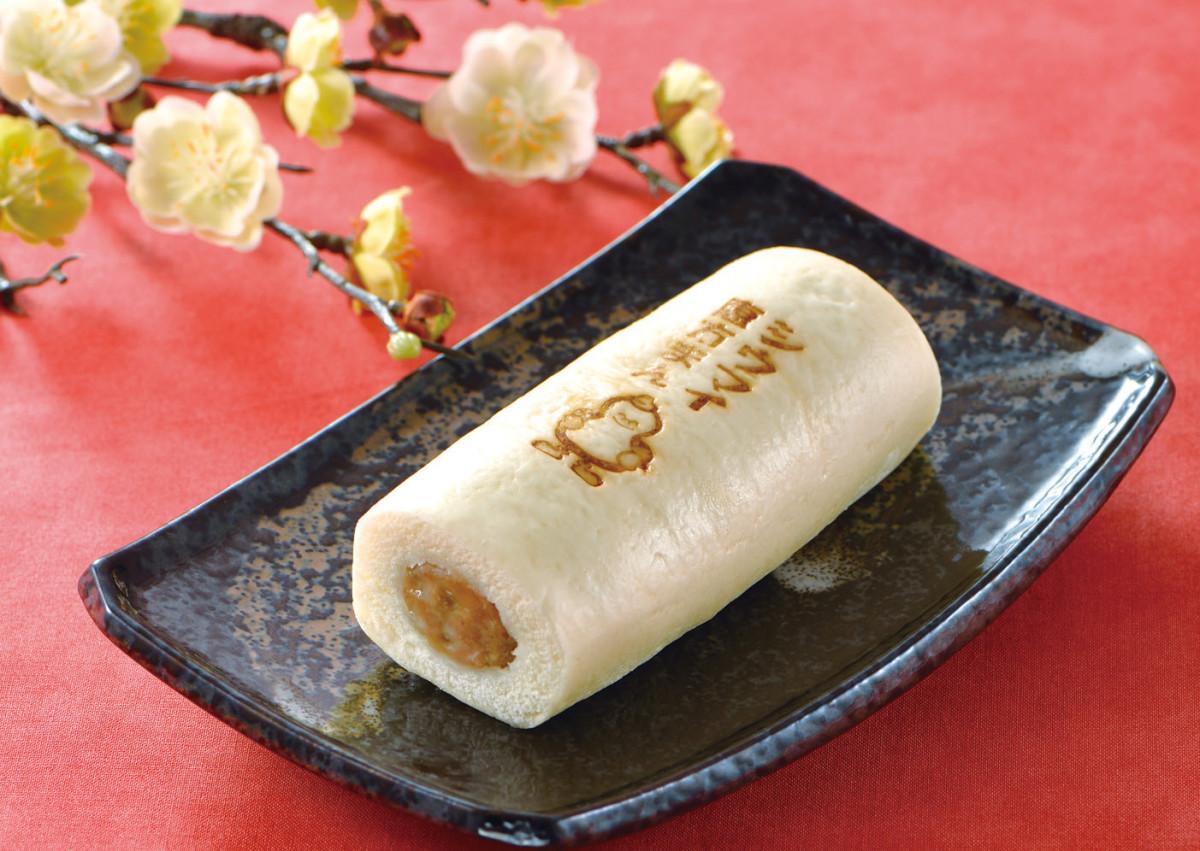
The perennially popular “Shumai Ehomaki” wraps shumai filling in a steamed bun dough, rolls it, and finishes it with a branded imprint of “Hyō-chan,” the character from the soy sauce container. A frozen version will also be available for mail order and at some stores.
The “Kofuku Ehomaki” uses seven types of ingredients, inspired by the Seven Deities of Good Fortune believed to bring luck. Ingredients include “Tai Soboro” (minced sea bream, a play on the word ‘omedetai’ meaning auspicious), “Nanohana” (rapeseed blossoms) for color and flavor, “Sweet Vinegar Crab-Flavor Kamaboko,” “Shredded Simmered Bamboo Shoots” based on Kiyoken’s seasoned bamboo shoot recipe, “Rolled Omelet,” and “Ginger Seaweed Salad.” These are rolled with vinegared rice mixed with scallop inside roasted nori seaweed from the local Kanagawa Prefecture, which is also recognized as a “Kanagawa Brand” product.
A representative commented, “The Shumai Ehomaki is a more compact size than a typical ehomaki, and the Kofuku Ehomaki is a half-size version of the traditional roll. This makes them easy to enjoy even for those who can’t finish a whole one in one sitting. Taking a big bite of the thick roll allows the flavors of the ingredients to mingle richly in the mouth, bringing happiness and ‘kofuku’ (mouthful of fortune).”
The sales period is February 1st to 3rd (pre-sales from January 8th), with reservations accepted from January 10th. The quantities are: Shumai Ehomaki (room temperature: 17,500 pieces, frozen: 4,000 pieces) and Kofuku Ehomaki: 3,450 pieces. The lucky direction for the year is South-Southeast.
Kiyoken
Kiyoken is a historic and well-known restaurant in Yokohama, Japan, famous for its signature dish, *shumai* (steamed pork dumplings). It was founded in 1928 by a Chinese immigrant, Chen Pingkun, and became a beloved local institution, helping to popularize Chinese-style *shumai* in Japan. Today, it remains a popular destination for both its food and its long-standing connection to Yokohama’s Chinatown culture.
Setsubun
Setsubun is a traditional Japanese festival marking the day before the start of spring according to the lunar calendar, usually celebrated on February 3rd. Its most famous custom is *mamemaki* (bean throwing), where roasted soybeans are scattered to drive away evil spirits and bring good luck for the coming season. This practice has roots in ancient purification rituals from the Heian period (794-1185), blending Shinto and Buddhist traditions to cleanse homes and welcome auspicious spirits.
Ehomaki
Ehomaki is a thick, uncut sushi roll eaten during Setsubun, Japan’s spring festival, to bring good luck for the coming year. The tradition originates from the Edo period (1603-1868) in Osaka’s merchant culture, where eating the roll in silence while facing the year’s lucky direction was believed to invite fortune into the home.
Hyō-chan
“Hyō-chan” is a popular nickname for the **Hyōgo Prefectural Museum of Art** in Kobe, Japan. Designed by the renowned architect Tadao Ando, it opened in 2002 on Port Island, built on reclaimed land that was part of the city’s recovery and redevelopment following the Great Hanshin Earthquake of 1995. The museum is celebrated for its striking modern concrete architecture and houses a significant collection of modern and contemporary art, with a focus on artists connected to the Hyōgo region.
Seven Deities of Good Fortune
The Seven Deities of Good Fortune (Shichifukujin) are a popular grouping of auspicious gods from Japanese Buddhist, Shinto, and Hindu traditions. They are traditionally depicted sailing into port on their treasure ship (*Takarabune*) at New Year, bringing luck, happiness, and prosperity. This syncretic set, which includes deities like Ebisu and Daikokuten, was formally assembled during the 17th century in the Kyoto-Osaka region.
Kanagawa Prefecture
Kanagawa Prefecture is a major coastal region in Japan’s Kanto area, home to the iconic port city of Yokohama and the ancient capital of Kamakura. Its modern history was shaped by the 1854 Kanagawa Convention, which opened Yokohama to foreign trade and marked a pivotal moment in Japan’s opening to the West. Today, it blends historical sites like the Great Buddha of Kamakura with modern landmarks such as the Yokohama Chinatown and the Minato Mirai district.
Kanagawa Brand
“Kanagawa Brand” is not a specific place or cultural site, but a regional branding initiative by Kanagawa Prefecture in Japan. It promotes local products, tourism, and industries—from Yokohama’s port culture to Kamakura’s historical temples—under a unified identity to highlight the area’s innovation and heritage. The brand leverages the prefecture’s modern history as a key gateway for international trade and culture since the opening of the Port of Yokohama in the 19th century.
South-Southeast
“South-Southeast” is not a specific, recognized place or cultural site. It is a compass direction, indicating a bearing halfway between south and southeast. Therefore, it does not have a history or cultural significance of its own.