Tibetan-language stage play “Hamlet” wins international award.
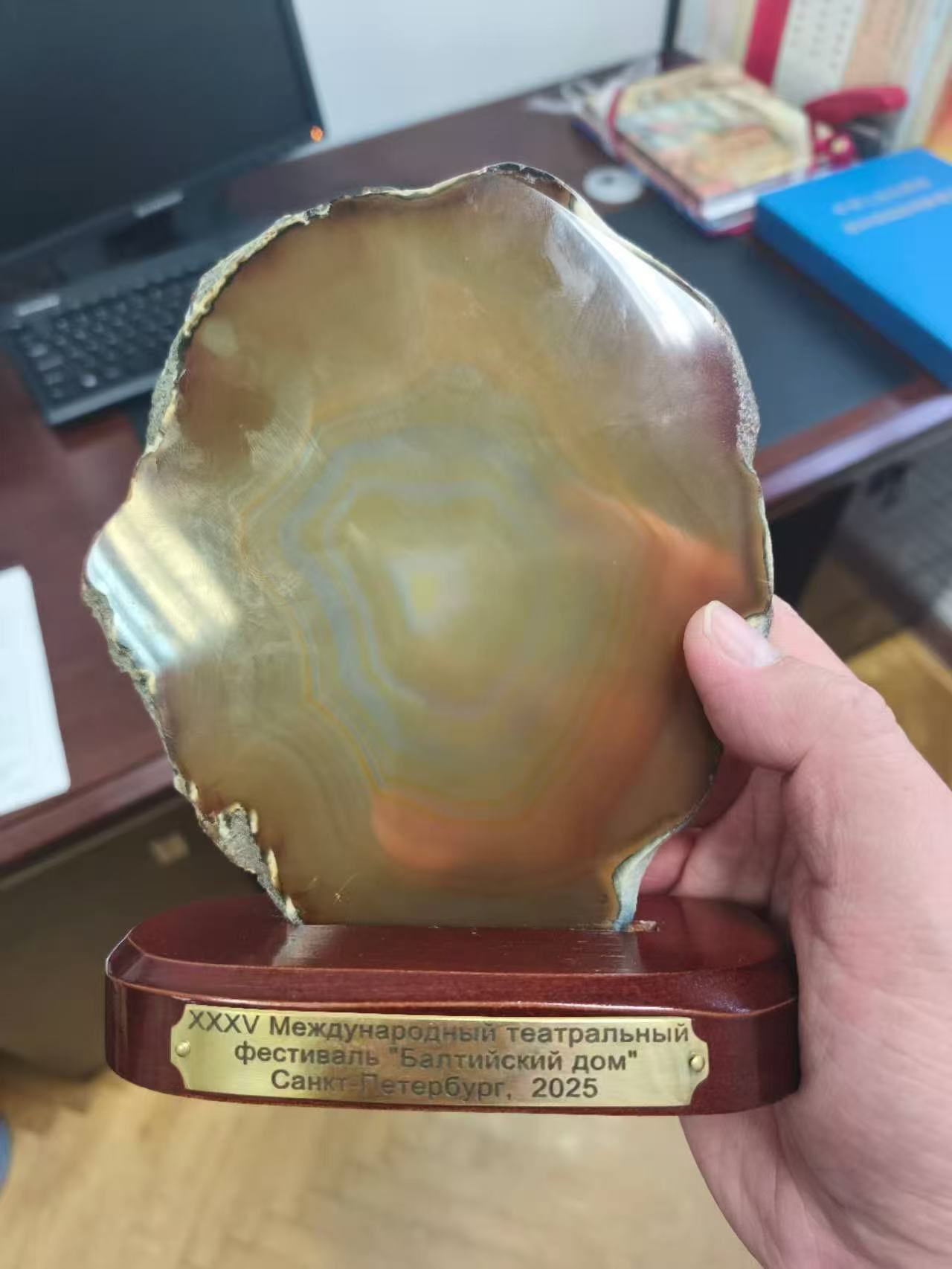
The Tibet Autonomous Region Theatre Troupe has achieved great success with the Tibetan-language version of “Hamlet,” which won the “Best Production Award” at the 35th “Baltic House” International Drama Festival.
The production reinterprets the Western literary classic through the unique context of Chinese theater, preserving the essence of Shakespeare’s tragedy while skillfully incorporating artistic elements of Tibetan culture, making it an exemplary work of cross-cultural innovation. This award represents high recognition from the international theater community for Chinese theatrical creation and marks an important step in the international dissemination of China’s ethnic minority theatrical arts.
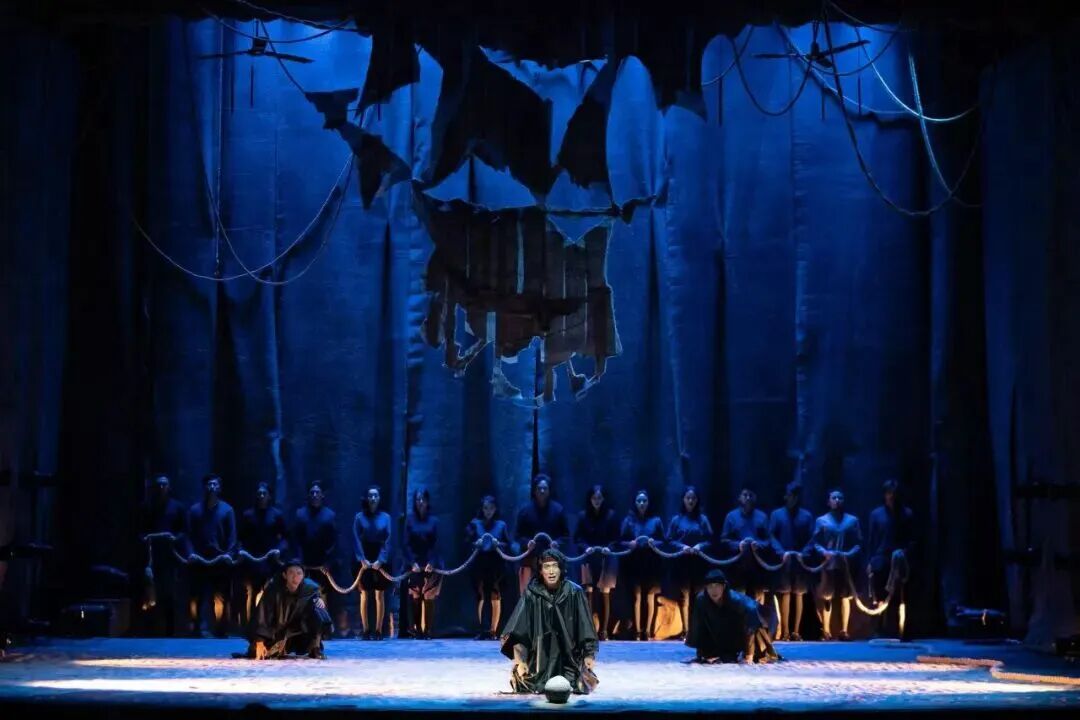
The Tibetan version of “Hamlet” was created in 2021. In May of that year, the play premiered at the Experimental Theater, receiving widespread attention.
Performance scene from the Tibetan-language version of “Hamlet.”
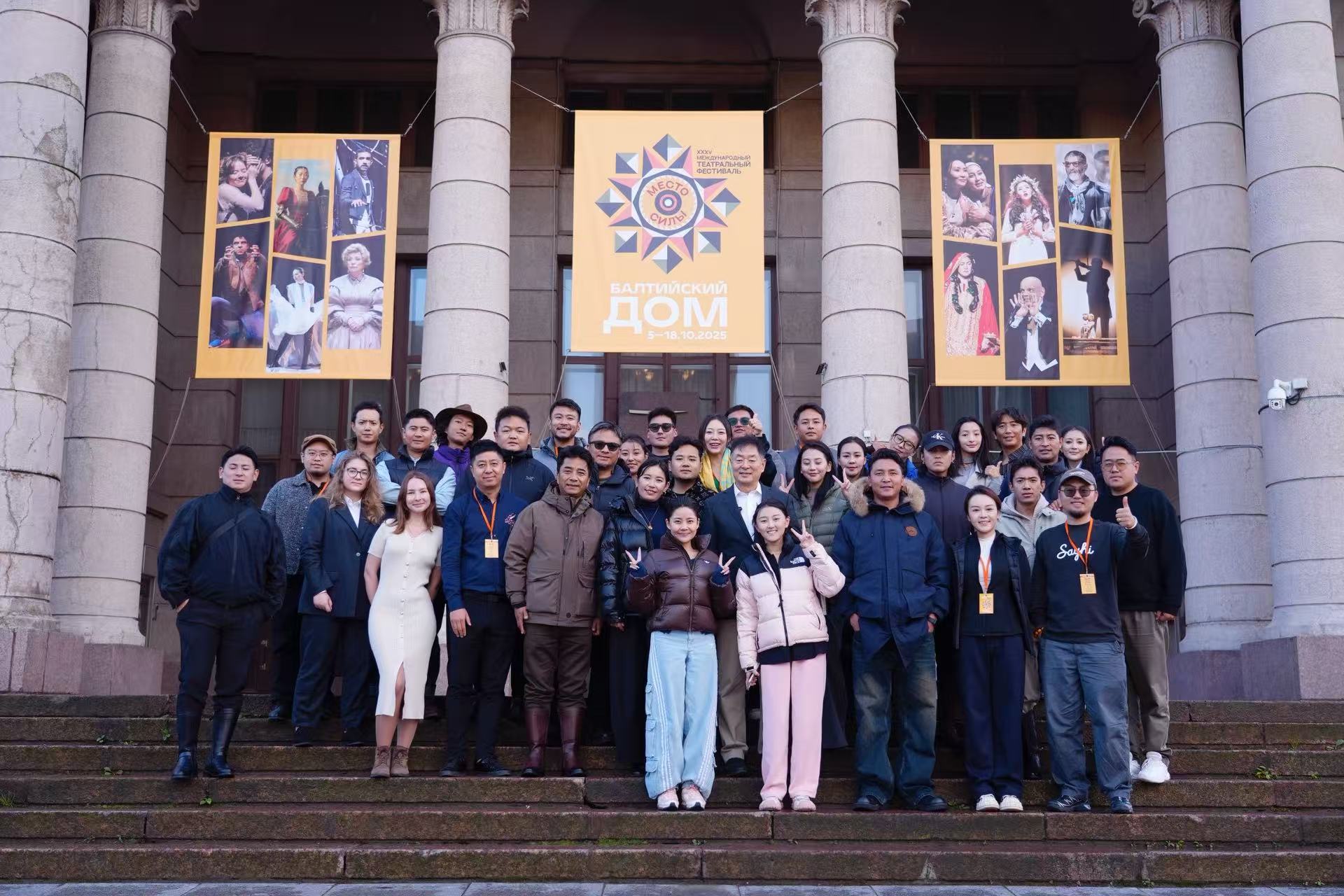
It is worth noting that the Tibet Autonomous Region Theatre Troupe traveled to St. Petersburg, Russia, to present “Hamlet” in Tibetan on the stage of the “Baltic House” International Drama Festival. This marked the first international performance by the Tibet Autonomous Region Theatre Troupe since its establishment in 1962, representing a profound dialogue and cross-cultural resonance between China’s ethnic minority culture and world theatrical classics.
The Tibet Autonomous Region Theatre Troupe at the “Baltic House” International Drama Festival.
The success of the Tibetan-language version of “Hamlet” not only demonstrates the creative transformation of classic literature in Chinese theater but also reflects the value of cultural diversity in a global context. Through the translation of artistic language and the fusion of aesthetic expression, it breaks down cultural barriers and builds bridges for mutual learning between different civilizations. Using Tibetan culture as a medium and theater as a platform, this work presents to the world a contemporary picture of the coexistence and prosperity of China’s multi-ethnic cultures, further promoting the breakthrough and dissemination of Chinese culture on the international stage.
Tibet Autonomous Region Theatre Troupe
The Tibet Autonomous Region Theatre Troupe is a professional performing arts institution established after the founding of the Tibet Autonomous Region, dedicated to preserving and promoting Tibetan traditional culture. It primarily stages performances of Tibetan opera, a UNESCO Intangible Cultural Heritage, alongside other folk dances and modern theatrical works. The troupe plays a vital role in showcasing Tibet’s unique artistic heritage both within China and internationally.
Hamlet
“Hamlet” is a fictional setting from William Shakespeare’s renowned tragedy of the same name, written around 1600. The story is set in the royal castle of Elsinore in Denmark, a place plagued by political intrigue, betrayal, and supernatural occurrences following the murder of King Hamlet. The castle’s brooding and claustrophobic atmosphere is central to the play’s themes of revenge, madness, and moral corruption.
Baltic House International Drama Festival
The Baltic House International Drama Festival is a major performing arts event held annually in St. Petersburg, Russia. It was founded in 1991 as a cultural bridge between the Baltic Sea countries following the dissolution of the Soviet Union. The festival showcases contemporary theatre, fostering dialogue and presenting innovative performances from Russia and across Europe.
Shakespeare
William Shakespeare was an English playwright and poet widely regarded as the greatest writer in the English language. He wrote his renowned plays and sonnets in the late 16th and early 17th centuries, primarily for the Lord Chamberlain’s Men, a company for which he was also an actor. His works, such as “Hamlet” and “Romeo and Juliet,” have had a profound and lasting influence on literature and theatre worldwide.
Experimental Theater
Experimental Theater is a performance space dedicated to avant-garde and non-traditional stage productions, often emerging in the 20th century as a reaction against conventional theatrical forms. It serves as a laboratory for artists to explore new narratives, staging techniques, and audience interactions, pushing the boundaries of dramatic art.
St. Petersburg
St. Petersburg is a major Russian port city on the Baltic Sea, founded in 1703 by Tsar Peter the Great as his “window to the West.” It served as the imperial capital of Russia for over two centuries and is renowned for its grand, planned architecture, including the Winter Palace (Hermitage Museum) and the Peter and Paul Fortress. The city’s rich history is marked by its pivotal role in the Russian Revolution and its endurance through the nearly 900-day Siege of Leningrad during World War II.
Russia
Russia is a vast transcontinental nation spanning Eastern Europe and Northern Asia, with a history dating back to the Kievan Rus’ state of the 9th century. It evolved into a major empire under the Tsars and later became the core of the Soviet Union, a global superpower, before its dissolution in 1991. Today, it is known for its rich cultural heritage, including iconic landmarks like the Kremlin and St. Basil’s Cathedral in Moscow, world-renowned literature, ballet, and classical music.