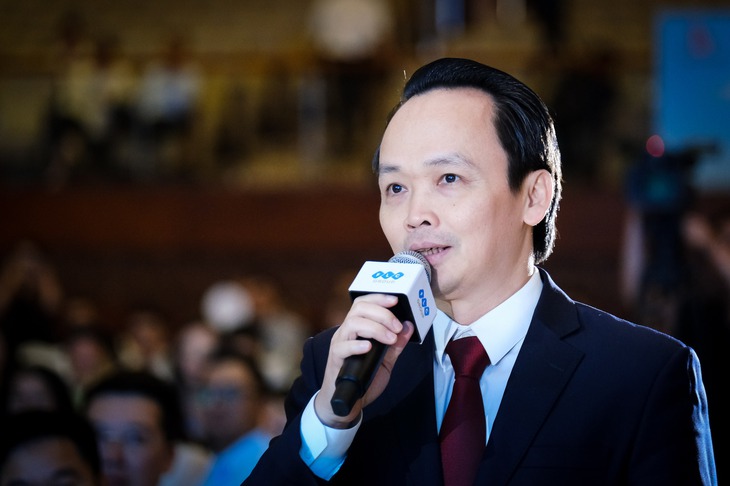
That is the sharing of FLC Group Chairman Trinh Van Quyet at the seminar ‘Gia Lai: Activating the Sea – Highlands Axis’ held in Quy Nhon Dong ward, Gia Lai on the morning of March 27.
According to him, to develop, “resort towns and aviation must be intertwined like lovers.” The goal is to bring guests in the fastest and have them leave the slowest; only by having tourists stay for extended periods can spending be attracted.
At the seminar “Gia Lai 2026: Activating the Sea – Highlands Axis,” experts pointed out that Gia Lai possesses full potential and advantages for tourism development, yet it remains like a sleeping beauty.
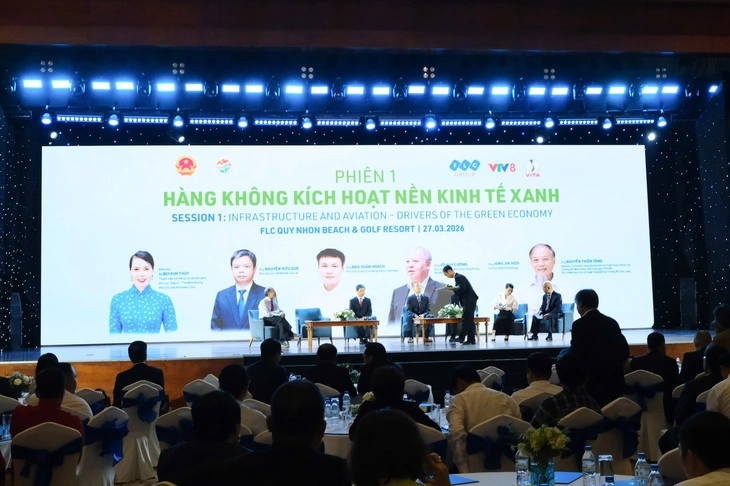
Connecting the Sea – Highlands Axis
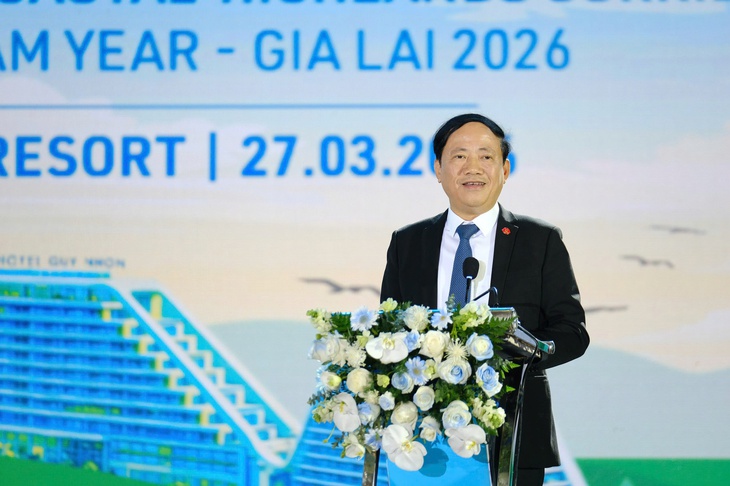
The Chairman of the Gia Lai Provincial People’s Committee stated that after the merger, Gia Lai converges full potential to develop forest and sea tourism. Gia Lai has five factors to promote tourism development in the coming time.
The locality has a favorable geographical location along with natural resources bestowed with forests and seas featuring many distinct points such as Ky Co – Eo Gio and the Chư Đăng Ya volcanic area. These are advantages for connecting forests and the sea.
Secondly, Gia Lai has businesses with the mindset, vision, and dedication to this land to invest in creating distinctive destinations.
The province has plans and strategies for tourism development aimed at maximizing natural advantages to create distinctive, memorable points. The spiritual culture and friendly lifestyle of the local people are assets.
The friendliness and hospitality of Gia Lai’s people will also be a factor in retaining and attracting tourists to return.
In 2019, when Gia Lai had all the elements for luck and an explosion but encountered the COVID-19 pandemic, the Chairman assessed that this explosive moment has now returned to Gia Lai once again.
This year, Gia Lai aims to welcome 15 million visitor arrivals, a 15% increase compared to 2025, with tourism revenue reaching 35,000 billion VND. This opens a new development phase for local tourism.
In this strategy, Gia Lai is shaping a new growth structure based on the sea – highlands tourism corridor, connecting the tourism space between the two centers of Quy Nhon and Pleiku.
The Deputy Standing Chairman of FLC Group shared that the sea – highlands axis is not just about the route but also a new destination. Tourists tend not only to go to see but to live within a journey, to remember, and to return.
To realize the goal of attracting tourists, it is necessary to answer questions on how to open flight routes connecting markets, bring more international tourists, and how to turn potential into attractive products.