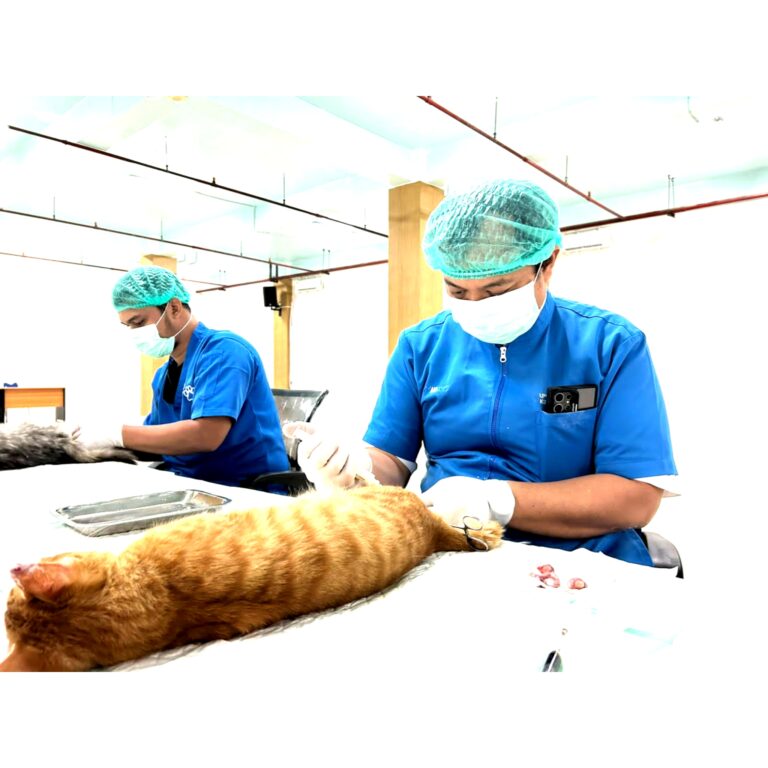
Depok (22/04/2026) – In celebration of the 27th anniversary of Depok City, the Department of Food Security, Agriculture, and Fisheries (DKP3) has taken proactive steps to maintain urban ecosystem balance through a Free Mass Castration program. Held at the Depok Minimalis Creative Center (D’MiCC), 8th Floor of the Depok City Hall Parking Building, the program aims to sterilize 100 male cats owned by residents over two days, from April 22 to 23, 2026.
This activity is a systematic effort by the Depok City Government to control the cat population explosion while improving the health quality of domestic animals in residential areas.
Medical Procedures and Program Effectiveness
The sterilization or castration process is performed by a team of veterinarians from DKP3 following strict standard operating procedures. This testicle removal procedure takes only about 15 minutes using a minimal incision technique, ensuring a quick recovery for the animals.
Besides controlling reproduction, this procedure offers significant medical and behavioral benefits, including:
-
Behavioral Control: Reduces aggression and mating-related behaviors in cats.
-
Disease Prevention: Minimizes the risk of health issues in the animals’ reproductive organs.
-
Animal Welfare: Promotes a longer and healthier lifespan for pets.
Commitment to Environment and Community Welfare
The provision of a daily quota of 50 animals has been met with enthusiasm by cat owners in Depok. This program not only addresses medical aspects but also serves as a strategy for the Depok City Government to reduce the number of stray cats on the streets.
“This is a tangible form of our commitment to maintaining animal health in Depok City. Through this free sterilization, we work together to control the population more effectively and ensure that animals in our environment receive proper care,” said a DKP3 representative at the event location on Wednesday (22/04/26).
A Gift for an Animal-Friendly City
This initiative, integrated into the series of events for the 27th anniversary of Depok City, reinforces Depok’s position as a city that not only focuses on physical development but also cares about biotic and social environmental aspects. Through this program, the public is expected to become more educated about the importance of responsible pet ownership to create a healthy and harmonious urban environment.
With support from professional medical staff and adequate facilities, this mass sterilization program is expected to serve as a catalyst for similar broader movements in the future.