I posted the other day, but according to the JR announcement article from December 12th, starting March 14th next year, the Nozomi stopping at Shin-Yokohama Station…
I actually experienced history like what’s written here. In the past, the timetable (JNR timetable, after JNR privatization, JTB and Kousai…
In the old days (around 1964-1965), from Shin-Yokohama Station to Shin-Osaka Station, it took about 5 hours with one Kodama train per hour…
Part 1 []
Part 2 []
※ River water may contain bacteria and harmful chemicals, so please absolutely do not try this yourself.
One day in August. Hamarepo revives after three blank years. “Updating ‘I’m Curious’ is fine, but is there a feature you want to do first?” asks the leader for candidates.
“I like the articles, so I want to do it as a special feature,” says the pure-bred Hamakko.
The suggestion is adopted, and it’s decided to do the third installment of river water verification, but the leader, who is from Chiba Prefecture, still doesn’t know.
“How chaotic Yokohama’s rivers are…”
And the person who knows Yokohama’s rivers yet says “Let’s drink river water” is a human more chaotic than the rivers.
Seeing Yokohama’s river water on Google Maps and going crazy, the leader is dragged out with “We have no choice but to do it! We’ll do it!” and heads to collect river water.
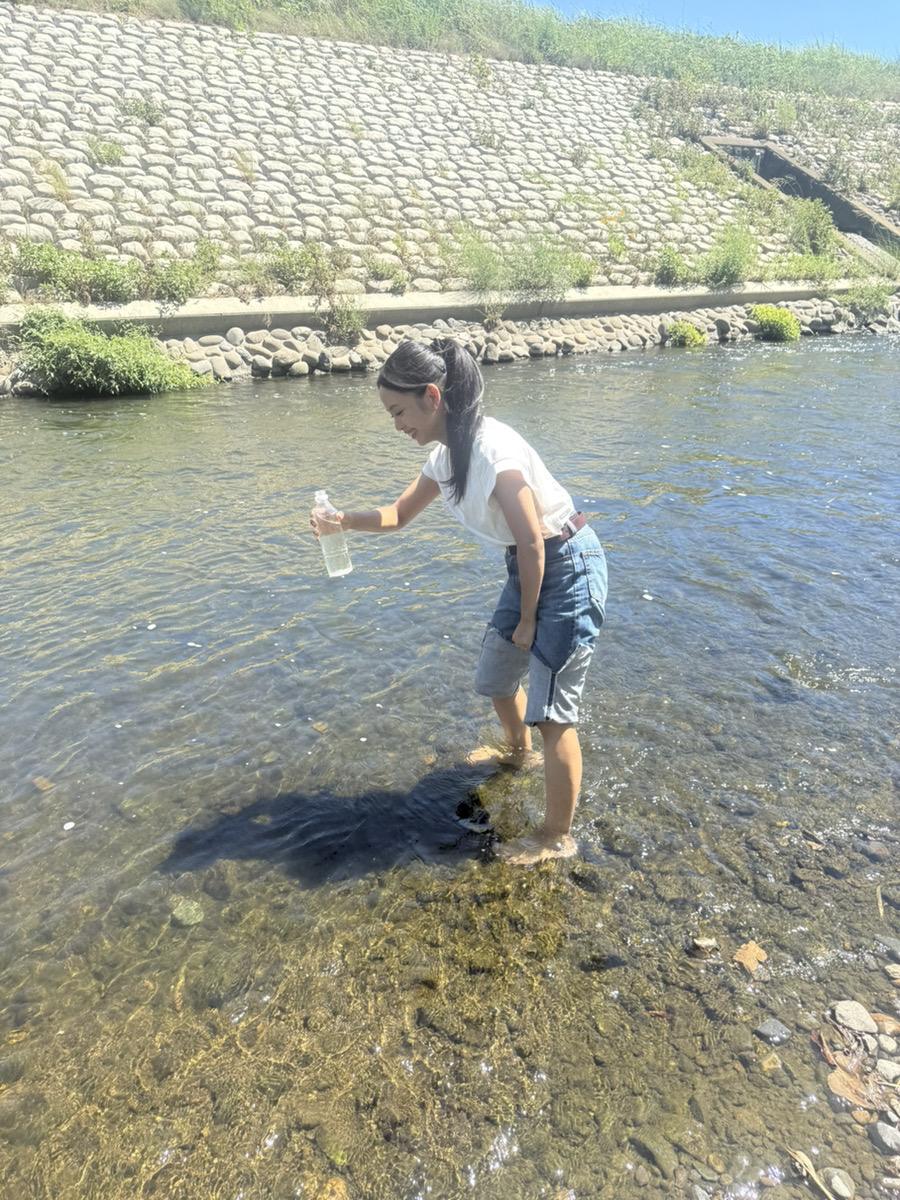
Sakagawa River. Its appearance and smell are so clean that a smile naturally appears.
The leader is also smiling like this.
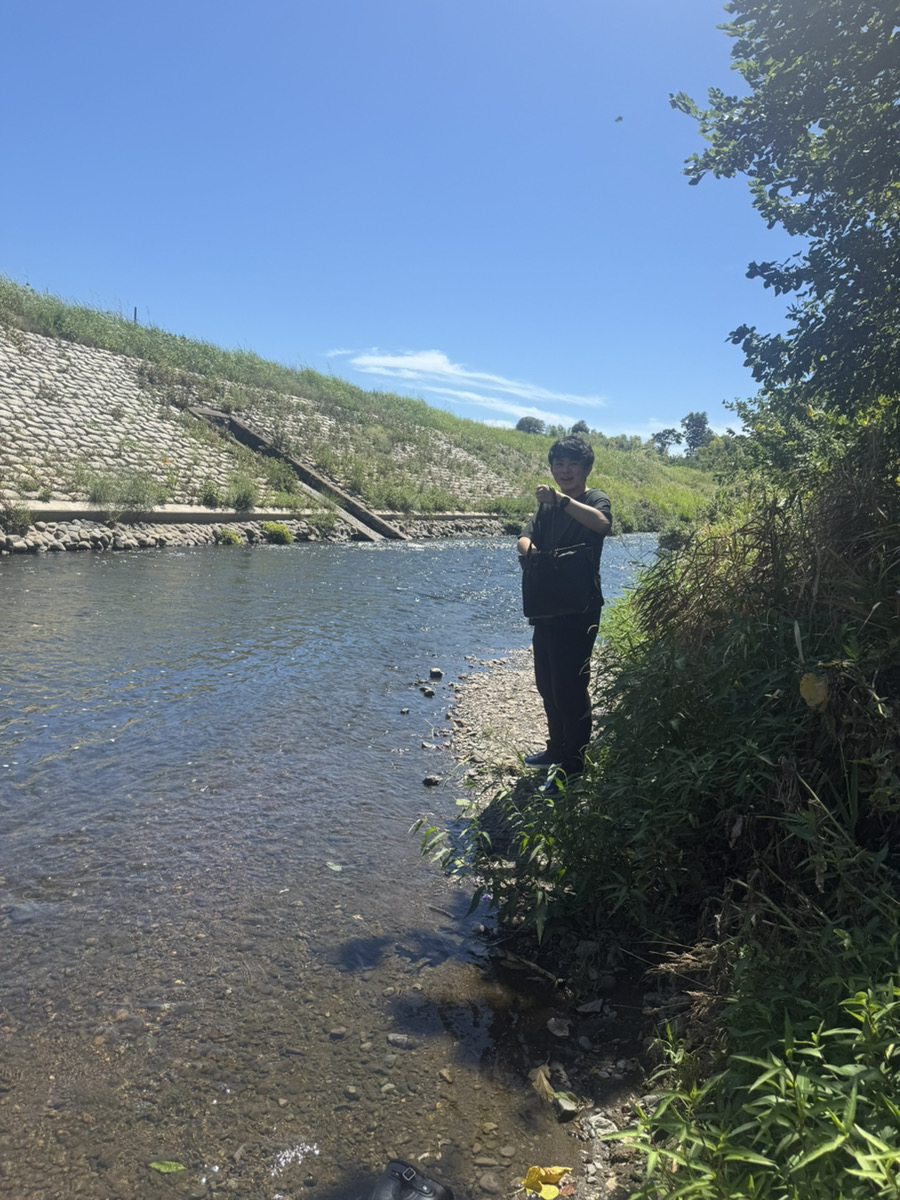
At first glance, they look like two people playing in the river, but the people they passed on site probably never imagined they were “going to drink river water.”
We’re also sorry to the taxi driver who took us to the Sakagawa River for having incomprehensible conversations in the back like “We have to do the river,” “It should be tasty because it’s upstream?”
We might have made them think, “I picked up some creepy people.”
At this pace, we proceed to collect water from the other rivers.</b
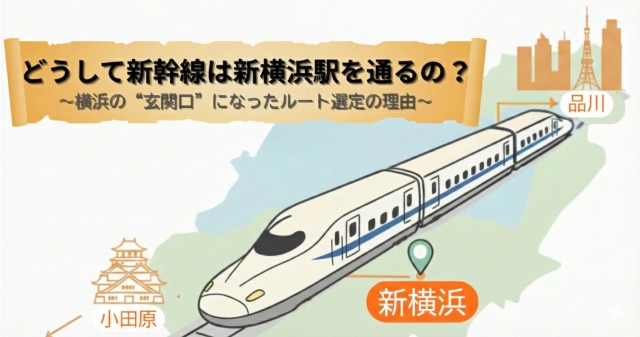
Shinkansen
The Shinkansen, or “bullet train,” is Japan’s iconic high-speed railway network, first launched in 1964 for the Tokyo Olympics. It revolutionized rail travel with its speed, safety, and punctuality, becoming a powerful symbol of Japan’s post-war technological recovery and modernization. Today, it remains one of the world’s most advanced and extensive high-speed rail systems.
Shin-Yokohama Station
Shin-Yokohama Station is a major railway hub in Yokohama, Japan, which opened in 1964 to serve the newly constructed Tōkaidō Shinkansen (bullet train) line. It was built primarily as a transportation gateway, and its development spurred the growth of the surrounding Shin-Yokohama district, now also known for the nearby Shin-Yokohama Ramen Museum.
Nambu Line
The Nambu Line is a railway line in Tokyo, Japan, operated by JR East, connecting Tachikawa Station to Kawasaki Station. It opened in 1929, primarily serving the rapidly developing residential and industrial suburbs along the Tamagawa River. Today, it remains a vital commuter route for the western and southern parts of the Tokyo metropolitan area.
Kawasaki
Kawasaki is a major industrial city in Kanagawa Prefecture, Japan, located between Tokyo and Yokohama. Historically a collection of small towns, it rapidly industrialized in the 20th century, becoming a key manufacturing center for heavy industry, electronics, and chemicals. Today, it is also known for cultural sites like the Kawasaki Daishi Temple, a major Buddhist temple founded in 1128.
Shin-Osaka Station
Shin-Osaka Station is the primary shinkansen (bullet train) terminal in Osaka, Japan, which opened in 1964 to coincide with the launch of the Tokaido Shinkansen line. It serves as a major transportation hub connecting western Japan with Tokyo and other regions, with conventional railway lines and subway services added later to facilitate local travel.
JNR
“JNR” refers to Japan National Railways (Nihon Kokuyū Tetsudō), the state-owned corporation that operated Japan’s national railway network from 1949 until its privatization and breakup in 1987. It played a crucial role in Japan’s post-war economic recovery and modernization, most famously by inaugurating the world’s first high-speed Shinkansen (bullet train) line in 1964. Its legacy continues today through the Japan Railways (JR) Group of regional passenger companies.
Yokohama
Yokohama is a major port city in Japan, located south of Tokyo. It was a small fishing village until 1859, when it opened as one of Japan’s first international ports after the country ended its long period of national isolation, rapidly transforming into a center for foreign trade and Western influence. Today, it is known for its historic waterfront area at Minato Mirai, its large Chinatown, and its role as a hub of modern Japanese culture and innovation.
Hamarepo
I’m unable to find any verifiable information on a place or cultural site named “Hamarepo.” It’s possible the name may be misspelled, from a very localized context, or is a private or fictional reference. To provide an accurate summary, could you please double-check the spelling or provide any additional context, such as the country or region it is located in?



![[Hamarepo Revival Commemorative Special Feature] Which river in Yokohama has the tastiest water?](https://asiacity.news/wp-content/uploads/2026/01/large_image.png)