On December 26, the Ho Chi Minh City Department of Construction sent an urgent dispatch to the Ministry of Construction, the Vietnam Road Administration, and the Ho Chi Minh City People’s Committee along with related units regarding the timeline for dismantling the T3 toll station of the BOT project on National Highway 51.
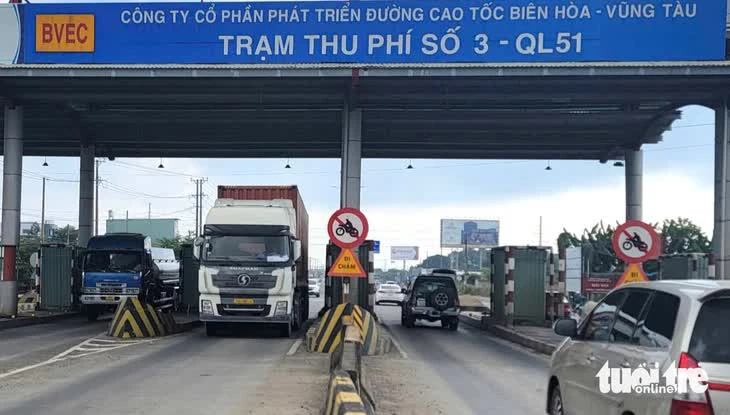
The Ho Chi Minh City Department of Construction stated that the section passing through Ho Chi Minh City was transferred by the Ministry of Finance to the Ho Chi Minh City People’s Committee for management from April 22, 2025. The department has been and is implementing many measures to ensure traffic safety on this important national highway route, such as repairing the road surface and median strips…
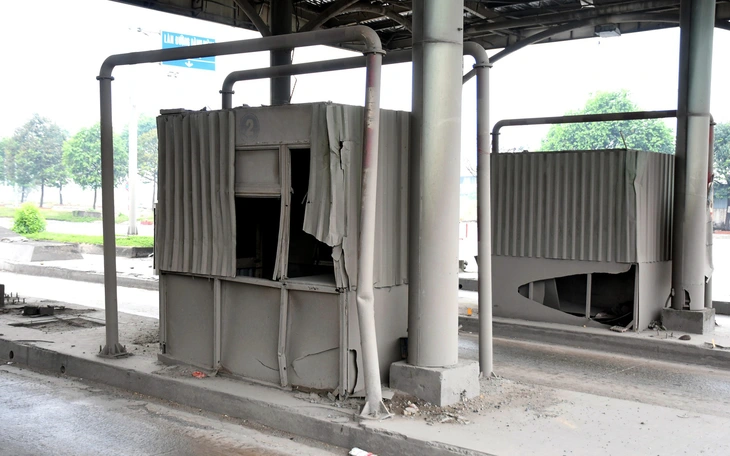
According to a dispatch from the Vietnam Road Administration, the T3 toll station on National Highway 51 stopped collecting fees from January 13, 2023, and currently no longer has an operational function. However, in the area of the old toll station, structures such as the station building, traffic islands, pillar foundations, signs, and auxiliary items still exist, causing traffic conflicts, obstructing visibility, narrowing the road surface, and posing a potential risk of accidents.
Furthermore, for some time, the Bien Hoa – Vung Tau Expressway Development Joint Stock Company (BVEC) has not performed maintenance or repairs on the toll station structures. Therefore, besides causing traffic obstruction, some components of the toll station such as support pillars, roofs… are also at risk of collapsing at any time.
Therefore, the dismantling of the T3 road toll station on National Highway 51 is extremely necessary and urgent to ensure safety, protect the lives and property of the people.
Regarding this matter, the Ho Chi Minh City Department of Construction had sent a document requesting BVEC to urgently dismantle the station before December 15. However, BVEC did not comply with the request.
On December 19, the department organized a meeting with relevant agencies and units including: Road Management Zone IV (Vietnam Road Administration), BVEC, the Joint Stock Commercial Bank for Investment and Development of Vietnam – Dong Nai Branch (the project’s capital sponsor)… to further clarify responsibilities and measures for dismantling the toll station.
Accordingly, BVEC, as the owner of the T3 toll station, must take responsibility for its dismantling to ensure traffic safety in this area. The department requested BVEC to urgently carry out the dismantling of the toll station and must complete it within December 2025.
In case BVEC still fails to implement it by the end of December 31, the Ho Chi Minh City Department of Construction will instruct the (former) Ba Ria – Vung Tau Provincial Technical Infrastructure Management Center to take the lead and coordinate with other units to dismantle the toll station. All related issues (if any) will be the sole responsibility of BVEC.
Dong Nai Proposes Dismantling Two Toll Stations on National Highway 51 Before January 15, 2026
The BOT project to widen the 73km-long National Highway 51 passing through the two provinces of Dong Nai and (the former) Ba Ria – Vung Tau (now Ho Chi Minh City) stopped collecting fees at stations T1, T2, and T3 about 3 years ago. The project’s investor is BVEC, with the Vietnam Road Administration (Ministry of Construction) as the competent state authority.
Over the years, voters in Dong Nai and Ho Chi Minh City have continuously proposed dismantling the BOT stations and upgrading National Highway 51 to ensure traffic safety. Regarding Dong Nai province, on December 25, the Dong Nai Provincial Department of Construction sent a document proposing that the Vietnam Road Administration, Road Management Zone IV, and BVEC coordinate to organize the dismantling of the two stations T1 and T2 before January 15, 2026.
The three toll stations on National Highway 51 and the station at Dong Nai Bridge have temporarily stopped collecting fees for many years but have not yet been dismantled. These toll stations are still obstructing national highways, becoming obstacles for drivers.