
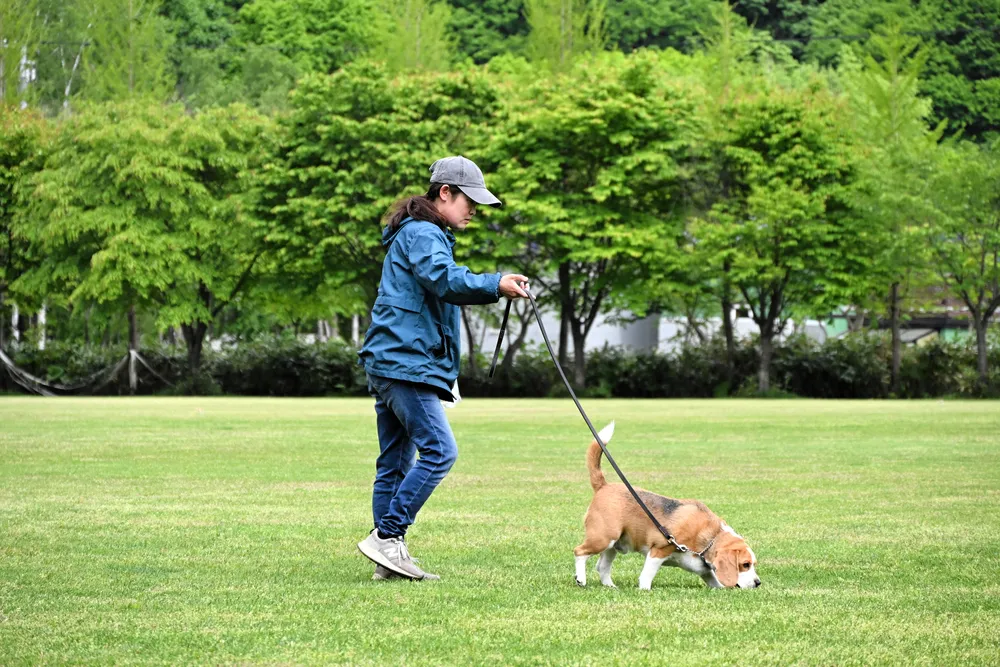
Criminal investigations and searches for missing persons are assisted by “designated police dogs.” A selection examination was held on the 27th and 28th at a sports field in Jozankei, Minami-ku, Sapporo, where 72 dogs of 15 breeds from Sapporo, Otaru, Ebetsu, and other areas within the Hokkaido Police Sapporo District jurisdiction took part in the evaluation.
Jozankei
Jozankei is a hot spring resort located in a scenic valley near Sapporo, Japan, on the island of Hokkaido. Its history dates back to the mid-19th century when a Buddhist monk discovered the area’s natural hot springs, and it later developed into a popular destination for relaxation and tourism. Today, Jozankei is known for its numerous ryokan (traditional inns), outdoor baths, and beautiful seasonal scenery, especially autumn foliage and winter snow.
Minami-ku
Minami-ku is a ward in the city of Nagoya, Japan, known for its industrial and residential character. Historically, it developed as a key manufacturing hub, particularly for ceramics and machinery, during Japan’s rapid modernization in the late 19th and early 20th centuries. Today, it blends this industrial heritage with parks and community spaces, reflecting the evolution of a working-class area within a major urban center.
Sapporo
Sapporo is the largest city on Japan’s northern island of Hokkaido, known for its modern urban planning and annual Sapporo Snow Festival. Developed rapidly in the late 19th century as a colonial settlement, it was modeled after American grid-style city designs and became the administrative and cultural heart of the region. Today, it is famous for its beer, ski resorts, and the historic Sapporo Clock Tower, which reflects its early Western influences.
Otaru
Otaru is a port city in Hokkaido, Japan, known for its well-preserved canal district and historic buildings that reflect its prosperous past as a key trading hub in the late 19th and early 20th centuries. Once a major center for herring fishing and shipping, the city’s economy declined after the fishing industry collapsed, but it later revived as a popular tourist destination. Today, Otaru’s charming canals, glassware shops, and former warehouses attract visitors seeking a blend of history and culture.
Ebetsu
Ebetsu is a city located in Hokkaido, Japan, known for its historical role as a key industrial and transportation hub during the development of the region in the late 19th and early 20th centuries. It grew significantly due to the establishment of the Hokkaido Development Commission’s facilities and later became famous for its beer production, particularly the Ebetsu Beer. Today, it is recognized for its blend of industrial heritage and natural attractions, such as the scenic Ebetsu River.
Hokkaido
Hokkaido, Japan’s northernmost island, has a history shaped by its indigenous Ainu people and later development during the Meiji era. After centuries of relative isolation, it was formally colonized and settled by the Japanese government
Jozankei
Jozankei is a hot spring resort located in a scenic valley near Sapporo, Japan, known for its natural beauty and relaxing onsens. Its history dates back to the mid-19th century when a Buddhist monk named Miizumi Jōzō discovered the hot springs, and the area later developed into a popular tourist destination. Today, Jozankei offers visitors a mix of traditional ryokan inns, outdoor baths, and seasonal attractions like autumn foliage and winter illuminations.
Minami-ku
Minami-ku is one of the 11 wards of Hiroshima City, Japan, located south of the city center. Historically, it developed as a key residential and commercial area after the atomic bombing in 1945, with much of its modern infrastructure rebuilt during the post-war recovery. Today, it is known for landmarks like the Hiroshima Peace Memorial Park (partially within its borders) and the bustling Hiroshima Station area.
Sapporo
Sapporo is the largest city on Japan’s northern island of Hokkaido, known for its modern urban planning, the annual Sapporo Snow Festival, and its famous beer. Originally developed in the late 19th century as a colonial administrative center, the city was designed with wide, grid-patterned streets inspired by Western models. Its history is closely tied to the Meiji-era government’s efforts to develop Hokkaido, with many Western-style buildings and institutions established during that period.
Sapporo Clock Tower
The Sapporo Clock Tower, officially known as the Former Sapporo Agricultural College Clock Tower, is a historic wooden structure built in 1878. It was originally part of the Sapporo Agricultural College (now Hokkaido University) and served as a drill hall and military training facility. Today, it stands as a beloved symbol of Sapporo, housing a small museum that showcases the city’s development during the Meiji era.
Otaru
Otaru is a historic port city in Hokkaido, Japan, known for its well-preserved canal district and late 19th-century architecture. Once a major hub for herring fishing and trade during the Meiji era, it earned the nickname “Wall Street of the North” due to its booming financial industry. Today, the city’s charming canals and warehouses have been transformed into popular tourist attractions, featuring glass workshops, music boxes, and seafood markets.
Ebetsu
Ebetsu is a city located in Hokkaido, Japan, known for its industrial development and as a home to Hokkaido University’s research facilities. Historically, the area was settled in the late 19th century during Hokkaido’s colonization, and it later grew as a center for brewing and sake production, with the Ebetsu Beer Brewery being a notable landmark. Today, it is also recognized for its natural attractions, such as the Nopporo Forest Park.
Hokkaido
Hokkaido, Japan’s northernmost main island, was historically known as Ezochi and was primarily inhabited by the indigenous Ainu people before large-scale Japanese settlement began in the late 19th century during the Meiji era. The region was renamed Hokkaido in 1869, and the government actively promoted development, agriculture, and colonization, transforming it into a major agricultural and tourist destination. Today, Hokkaido is famous for its natural landscapes, national parks, ski resorts, and unique culture that blends Japanese and Ainu influences.
Sapporo Snow Festival
The Sapporo Snow Festival is an annual winter event held in Sapporo, Japan, featuring impressive snow and ice sculptures displayed throughout the city. It began in 1950 when local high school students built six snow statues in Odori Park, and has since grown into a world-renowned festival attracting over two million visitors each year. The festival now includes massive sculptures, ice slides, and illuminated displays, celebrating the beauty of winter in Hokkaido.
Related news
“Fisherman Discovers Body of Adult Woman in Sea Near Harbor Wall in Hakodate, No Belongings Found”
On August 24, 2025, the body of a woman floating i...

Cherry blossoms in Hakodate and Sapporo are expected to bloom on the 18th, while Wakkanai and Kushiro will see blooms on the 3rd of next month, all earlier than usual.
This is the cherry blossom bloom forecast.
Hakodat...
Support for women facing difficulties through public-private collaboration in Sapporo symposium
A symposium was held to mark one year since the en...

Driving while distracted leads to discovery of unlicensed driving and uninspected vehicles—man in adult entertainment industry arrested on the spot, claiming “I don’t remember” in Kushiro City.
On August 31, 2025, the Kushiro Police Station in ...

“Video: Car engulfed in intense flames and smoke on expressway; section between Urahoro IC and Honbetsu IC closed”
A car fire occurred near the Honbetsu Interchange ...