
This is the cherry blossom bloom forecast.
Hakodate and Sapporo, which did not bloom on April 17th, are forecasted for the 18th.
Muroran and Obihiro are forecasted for the 21st, and Asahikawa for the 24th.
Abashiri is forecasted for the 30th, while Wakkanai and Kushiro are forecasted for May 3rd.
All forecasts are approximately 10 days to two weeks earlier than the average year.
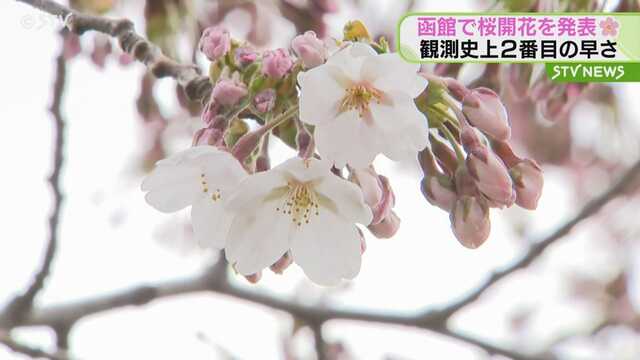
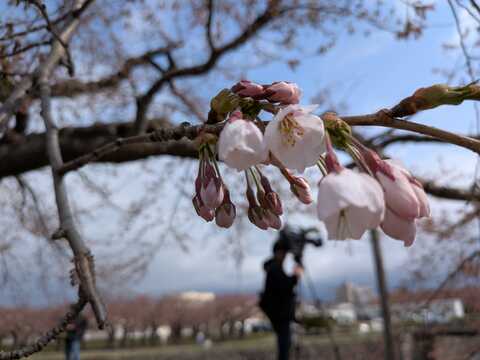


Hakodate
Hakodate is a historic port city located on the southern tip of Hokkaido, Japan. It was one of the first Japanese ports to open to international trade in 1854, following the Convention of Kanagawa, which led to the establishment of a foreign settlement and a unique blend of Western and Japanese architecture. Today, it is famous for its spectacular night view from Mount Hakodate, its star-shaped Goryōkaku fort, and its well-preserved Motomachi district.
Sapporo
Sapporo is the capital city of Hokkaido, Japan, founded officially in 1868 during the Meiji period as a planned modern settlement. It is now internationally famous for hosting the 1972 Winter Olympics and its annual Sapporo Snow Festival, which began in 1950. The city’s history is closely tied to the development of Hokkaido and is renowned for its beer brewing, which started with the Sapporo Brewery in 1876.
Muroran
Muroran is a port city located on the Pacific coast of Hokkaido, Japan. Historically, it developed rapidly in the late 19th century as a key industrial and shipping hub for coal and steel, largely driven by the establishment of the state-owned Yawata Steel Works. Today, it is known for its heavy industry, scenic coastal views, and landmarks like the Muroran Port Bridge.
<h3 class="text-lg
Mount Hakodate
Mount Hakodate is a 334-meter-high volcanic mountain located at the southern tip of Hokkaido, Japan, famous for its spectacular panoramic night views of Hakodate city. Historically, it was the site of the Goryōkaku star fort during the 1868-1869 Boshin War and later opened to the public as a scenic attraction. Today, visitors can reach the summit via a ropeway or road to enjoy the renowned vista, often ranked among Japan’s best nightscapes.
Goryōkaku fort
Goryōkaku is a star-shaped fort located in Hakodate, Hokkaido, Japan. It was constructed in the final years of the Edo period (completed in 1866) to defend against potential threats from the West and was the site of the last major battle of the Boshin War in 1869. Today, it is a public park famous for its cherry blossoms and serves as a historical landmark of Japan’s transition from the feudal shogunate to the modern Meiji era.
Motomachi district
The Motomachi district is a historic and upscale shopping street in Kobe, Japan, which flourished as a foreign settlement after the port opened to international trade in 1868. Its charming, Western-influenced architecture and boutiques reflect its legacy as a cosmopolitan residential area for foreign merchants and diplomats. Today, it remains a popular destination known for its fashionable shops, cafes, and a unique blend of Japanese and European cultural atmosphere.
Sapporo Snow Festival
The Sapporo Snow Festival is an annual winter event held in Sapporo, Japan, famous for its massive and intricate snow and ice sculptures. It began in 1950 when local high school students built a few snow statues in Odori Park, evolving into a major international festival that now attracts millions of visitors each February.
Sapporo Brewery
The Sapporo Brewery, founded in 1876 in Hokkaido, Japan, is the country’s oldest beer brand. It was established during Japan’s rapid modernization in the Meiji era, with its first brewery built with the help of a German-trained brewmaster. Today, its original Sapporo Factory site is a popular historical complex featuring shops, restaurants, and a museum dedicated to its brewing heritage.
Muroran Port Bridge
The Muroran Port Bridge is a distinctive double-leaf bascule bridge located in Muroran, Hokkaido, Japan. Completed in 1964, it was constructed to allow large ships to access the inner port of this major industrial city while maintaining road traffic on its important coastal route. Its unique lifting mechanism and blue color have made it a recognized symbol of the city.
Yawata Steel Works
The Yawata Steel Works, established in 1901 in Kitakyushu, Japan, was the country’s first modern, state-owned integrated steel mill. It played a pivotal role in Japan’s industrialization, providing the steel for its military, infrastructure, and shipbuilding industries throughout the 20th century. Today, its preserved heritage sites, including the iconic “Head Office” building, are part of a UNESCO World Heritage listing as “Sites of Japan’s Meiji Industrial Revolution.”
Convention of Kanagawa
The Convention of Kanagawa was a treaty signed on March 31, 1854, between the United States, led by Commodore Matthew Perry, and Japan. It ended Japan’s over 200-year policy of national seclusion (sakoku) by opening the ports of Shimoda and Hakodate to American trade and establishing a U.S. consulate. This agreement marked the forced end of Japanese isolation and set the stage for Japan’s rapid modernization during the Meiji Restoration.