We often talk about the waste crisis as if it’s a problem outside of ourselves, merely a government issue, a system failure, or just a technical matter of collection and disposal. In reality, every space we use daily, including offices and organizations, contributes to the same problem.
The city of Depok faces a serious challenge in waste management. The daily waste generation, which has exceeded 1,000 tons, shows that the conventional approach—collect and dump (open dumping)—is no longer sufficient. Without a change in behavior at the source, the environmental burden will continue to grow.
So far, waste management campaigns have been largely directed at the public. Residents are asked to sort waste, reduce plastic use, and recycle. However, a fundamental question remains: have institutions, including political parties, set an example?
Offices are also significant waste producers: plastic from daily consumption, paper, organic waste, and inefficient energy use. If, on average, one PKS office generates a minimum of about 5 kilograms of waste per day, the annual amount from just one office can reach nearly 2 tons. Multiplied by 12 PKS offices across Depok city, this figure exceeds 21 tons per year, demonstrating that even small-scale operations have a significant collective impact.
This highlights the urgency of the green office approach. This concept is not just a trend but an institutional ethical framework—how an organization manages the ecological impact of its own activities. A green office emphasizes measurable standards: waste sorting at the source, reduction of single-use plastics, energy efficiency, reuse of supplies, and continuous education for all organization members.
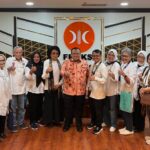
The Green Office Award initiative, conceived within PKS through its central and regional structures, is one effort to drive this cultural change. This award is not an end goal but an instrument to build organizational discipline in environmentally friendly practices.
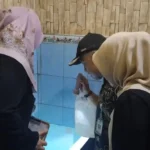
For example, the Cimanggis DPC PKS Office in Depok City has begun steps toward becoming a Green Office. Some implemented practices include providing three-category waste sorting bins (organic, inorganic, residue), restricting single-use plastic in activities by having individuals use personal tumblers during meetings and only providing water gallons for refills, arranging pollutant-absorbing plants in the office porch area before the entrance, and providing continuous education to party administrators.
Furthermore, snacks for events are no longer served in disposable snack boxes but are presented buffet-style using washable and reusable cake plates. In the office porch area, pollutant-absorbing plants are arranged as part of the effort to create a healthier and more environmentally friendly workspace.
Depok
PKS
To give an accurate summary, please provide the full name or the specific location/country for this place or cultural site.