DEPOK (19/05/2026) – In order to break the chain of transmission of Dengue Hemorrhagic Fever (DHF), the Pancoran Mas Urban Village Government is intensifying preventive measures in the environmental health sector. The Acting Head of Pancoran Mas Urban Village has instructed all residents to tighten surveillance over potential water puddles that are prone to becoming breeding grounds for disease-carrying mosquitoes.
This step follows the results of a sudden field inspection that detected ongoing negligence by residents in maintaining domestic sanitation hygiene.
Field Sampling Results: Micro-Clusters of DHF Potential
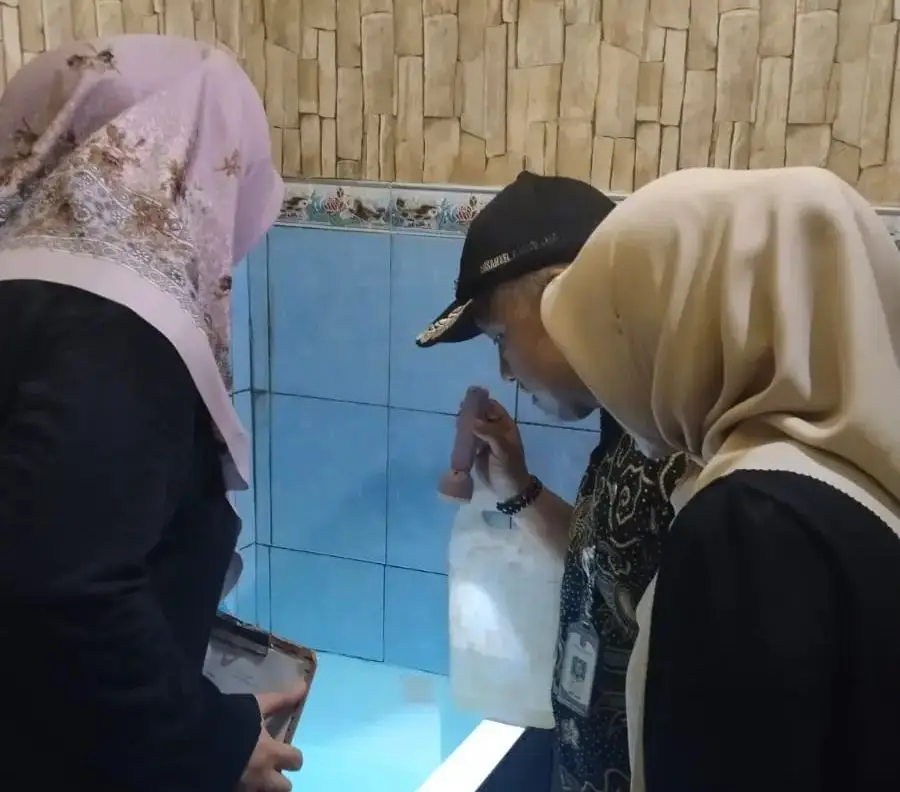
During the operation, the Acting Head of Pancoran Mas Urban Village, along with the Head of the TP-PKK for Pancoran Mas Urban Village, directly led the monitoring operation for Eradicating Mosquito Nests. Moving through residential areas with PKK cadres at the RW level, the joint team conducted door-to-door inspections of water storage containers and open areas belonging to residents.
Based on tactical data from the nest eradication survey in RW 01, the following environmental risk indicators were found:
-
Total Inspection Objects: 75 residential houses.
-
Positive Larvae Status: 8 houses were declared positive for mosquito larvae colonies.
-
Specific Meeting Points: Larvae nests were mostly identified in stagnant water in plant pots, storage buckets, unused used gallons, and puddles in buildings and vacant houses that escaped supervision.
“Maintaining environmental cleanliness is currently mandatory. Gutters around the perimeter of houses, bathtubs, and piles of trash on the porch must be regularly monitored so they do not become messy and collect rainwater,” the Acting Head emphasized on Tuesday (19/05).
Reactivation of Mass Community Clean-Up
In response to the finding of eight houses positive for larvae, the urban village authorities urged the management of RT and RW to reactivate the instrument of mass community clean-up on a regular basis, at least once a month. This collective intervention is considered much more effective for cleaning public areas that are not reached by individual cleaning.
Through the tightening of the mosquito nest eradication program and the revival of the mutual cooperation culture, the Pancoran Mas Village Government hopes to reduce the Larva-Free Rate to a safer level. These mitigation measures are expected to protect the health stability of residents from the threat of DHF endemicity and other accompanying diseases originating from poor local environmental management.