Bandung –
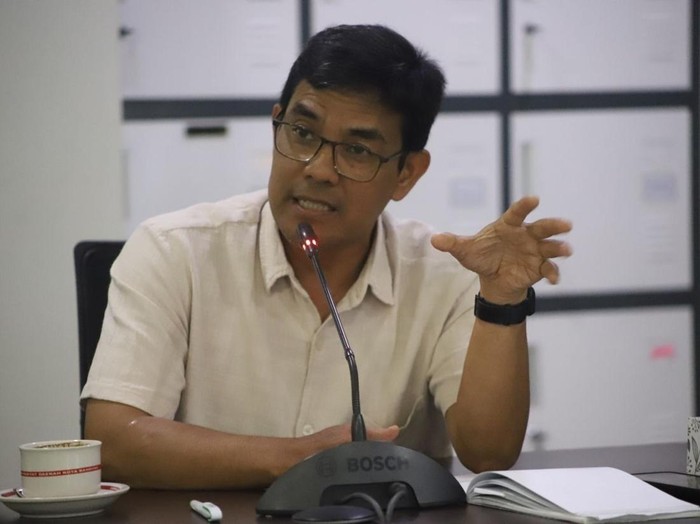
A member of Commission I of the Bandung City Council, Ahmad Rahmat Purnama, highlighted the phenomenon of dependence on social assistance, which is considered not yet effective in breaking the cycle of poverty.
This concern arose following ongoing issues related to the equitable distribution of social aid for residents of Bandung City.
Ahmad urged the Bandung City Social Service to conduct periodic evaluations of poverty alleviation programs. This step is considered important to ensure that government programs do not create a society dependent on social assistance.
“Yes, we encourage the Social Service to conduct periodic evaluations, so that poverty alleviation programs do not create a society dependent on social assistance, but instead foster economic independence in the community,” he said.
He added that the concept of aid should be a means of empowerment designed to sustainably make underprivileged residents self-reliant.
“Basically, the concept of aid is designed to empower underprivileged communities so they can become capable and sustainable, not to make them dependent on social assistance,” he stated.
Based on data collected by the Social Service, the current budget allocation from both the regional and state budgets covers less than half of the total poor population in Bandung City. It is recorded that around 60 percent of vulnerable residents still need assistance.