)
Women Reservation Bill: A fierce debate took place between the ruling party and the opposition in the Lok Sabha regarding the amendment bills related to the women’s reservation law. The government tried its best to secure the opposition’s support, but the opposition did not relent, and ultimately the government failed to secure a two-thirds majority vote on the bill, leading to its defeat. The bill received 298 votes in favor and 230 votes against. In a way, this is a major setback for the government.
In fact, gauging the opposition’s mood, the government had already sensed that it would not get the opposition’s support on this women’s reservation amendment bill. This is why the government issued a notification even before the voting and implemented the Women’s Reservation Law 2023. The government’s attempt was to avoid other constitutional complications. Now, since this bill could not be passed, it is believed that the government will try to implement it after the census.
Government Fails to Assure the Opposition
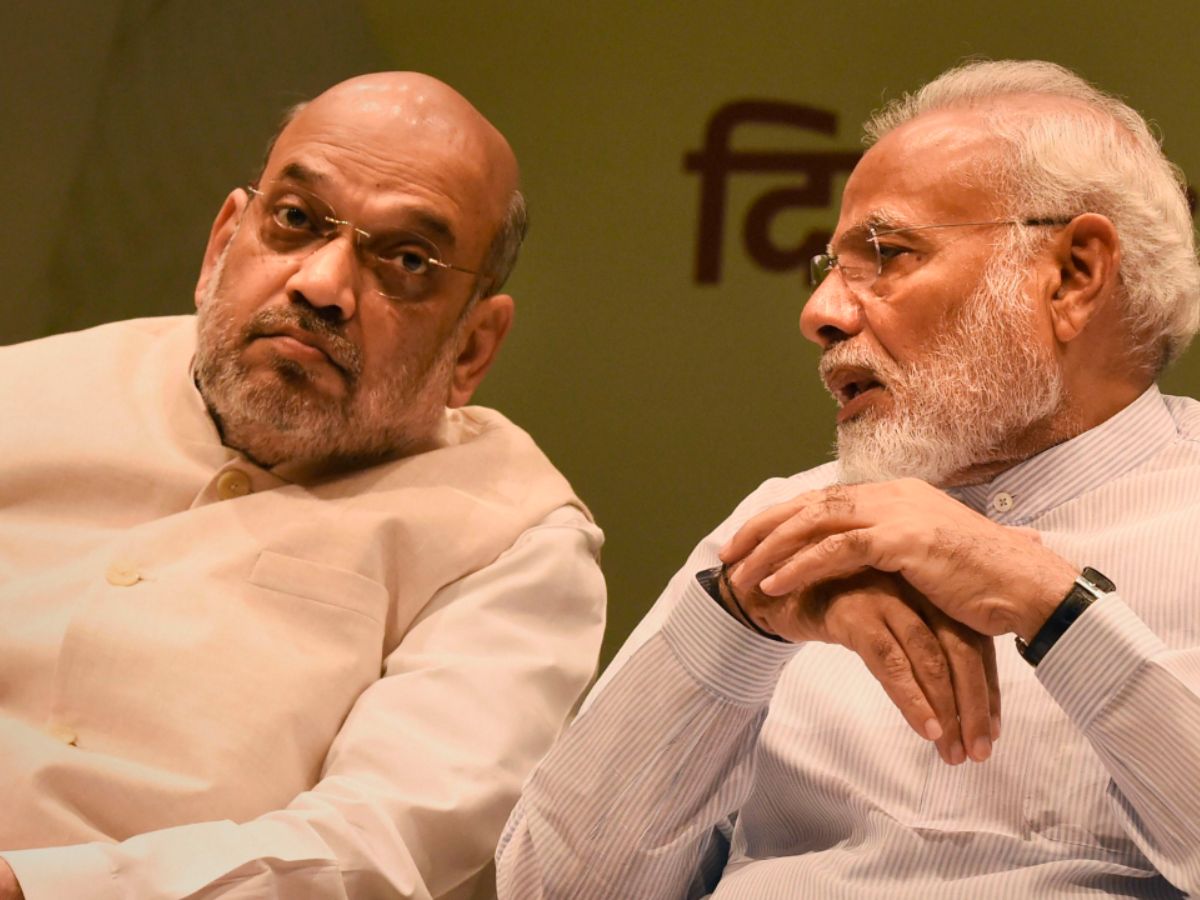
The Prime Minister and the Union Home Minister tried in their own ways to win the opposition’s trust, but they were unsuccessful. In the Lok Sabha, the Home Minister tried to persuade the opposition, stating that this is not a political bill but a bill to further empower women.
Meanwhile, the opposition demanded that women’s reservation be implemented on the current 543 Lok Sabha seats, while the government is considering increasing seats by 50 percent. On this move by the government, the Leader of the Opposition says that this is not actually a women’s bill. The Women’s Reservation Bill 2023 has already been passed, and the new bill is an attempt to change the country’s electoral map.
This Was the Expected Outcome
Experts believe that this was more or less the expected fate of the Women’s Reservation Amendment Bill and the Delimitation Bills, which played out during the Lok Sabha voting. However, from the central government’s side, even the Prime Minister himself appealed to the opposition, saying that it is time to empower women and everyone should come together. It was seen that even after the three bills related to women’s reservation were tabled in the Lok Sabha, the Prime Minister, the Home Minister, and other central government ministers kept trying to persuade the opposition in their own ways.
How Did the Government Play a Masterstroke?
It is noteworthy that the government already knew that it did not have sufficient numerical strength in its favor to pass the bill in the Lok Sabha. Despite this, the central government placed it before the house and proceeded with the bill. However, the bill fell. Whichever party may benefit from this in the West Bengal elections, the BJP has succeeded in sending a message. Along with this, even though the DMK’s stance on delimitation in Tamil Nadu may be strong, the BJP has, in a way, managed to strengthen its position on women’s issues. Understanding all these aspects, it becomes clear that the BJP has found a major victory even in defeat.
Lok Sabha
Women’s Reservation Bill 2023
Lok Sabha
Women’s Reservation Bill 2023
Constitution of India
Constitution (One Hundred and Sixth Amendment) Act
Related news

There is no possibility of reduced rainfall in northwest India.

Trump in big trouble
I ate jhalmuri, the chili hit TMC… Modi said in Bengal on voting day, sweets will be distributed on May 4.

The manifesto was prepared by listening to people in 350 neighborhood meetings.