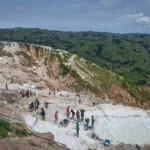
More than 200 killed in mine collapse in eastern Congo.
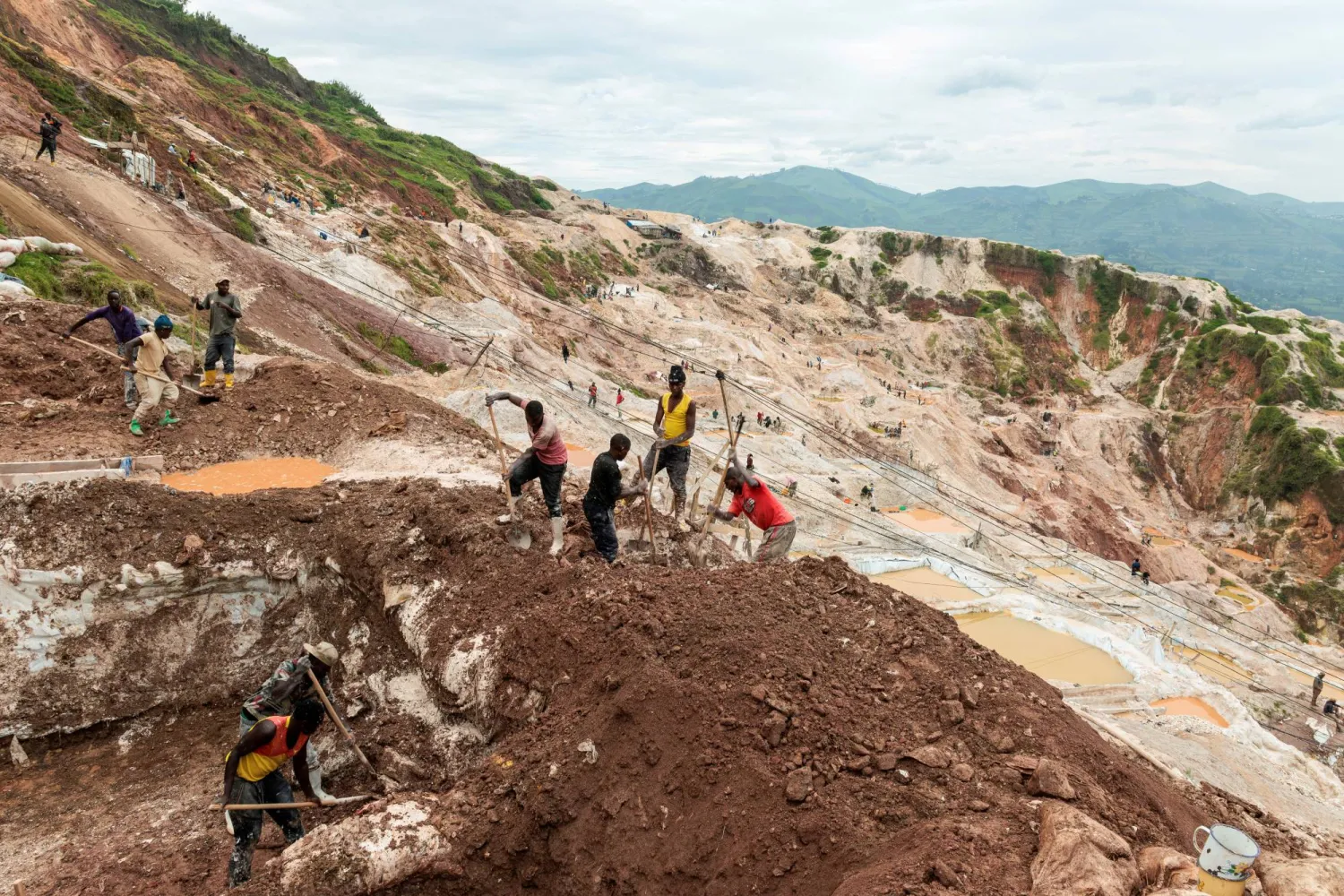
An official in the Democratic Republic of Congo said that more than 200 people died this week in a collapse at the Rubaya coltan mine in the east of the country.
Rubaya produces about 15 percent of the world’s coltan, which is processed into tantalum, a heat-resistant metal in increasing demand by manufacturers of mobile phones, computers, aerospace components, and gas turbines.
The mine site, where locals work in manual mining for a few dollars a day, has been under the control of the March 23 rebel movement since 2024.
The collapse occurred on Wednesday, and the exact number of casualties was not clear until evening. The official said, “More than 200 people were victims of this landslide, including miners, children, and women at the market. Some people were rescued in time and sustained serious injuries.”
A regional official said the confirmed death toll was at least 227. He spoke on condition of anonymity as he was not authorized to brief the media.
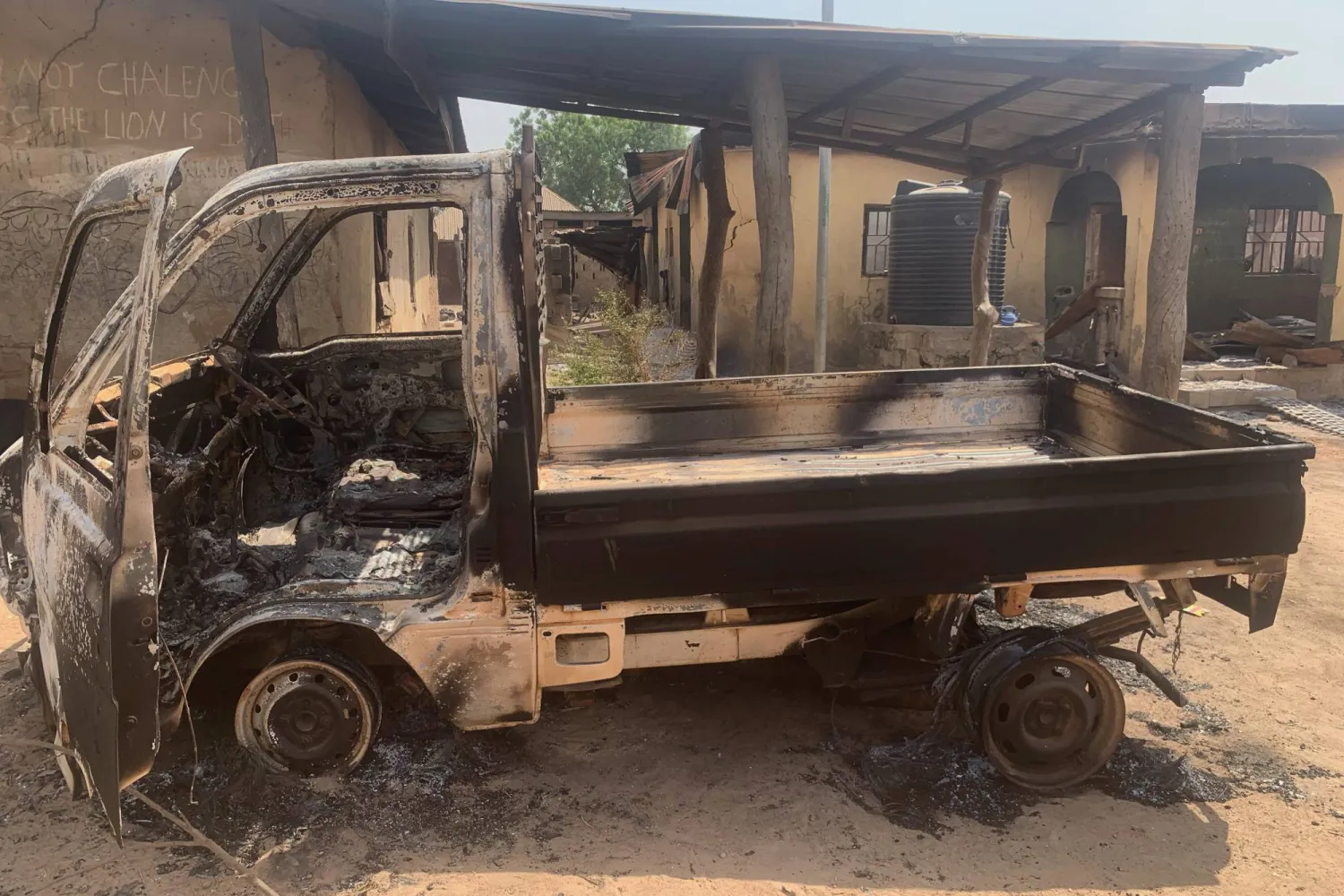
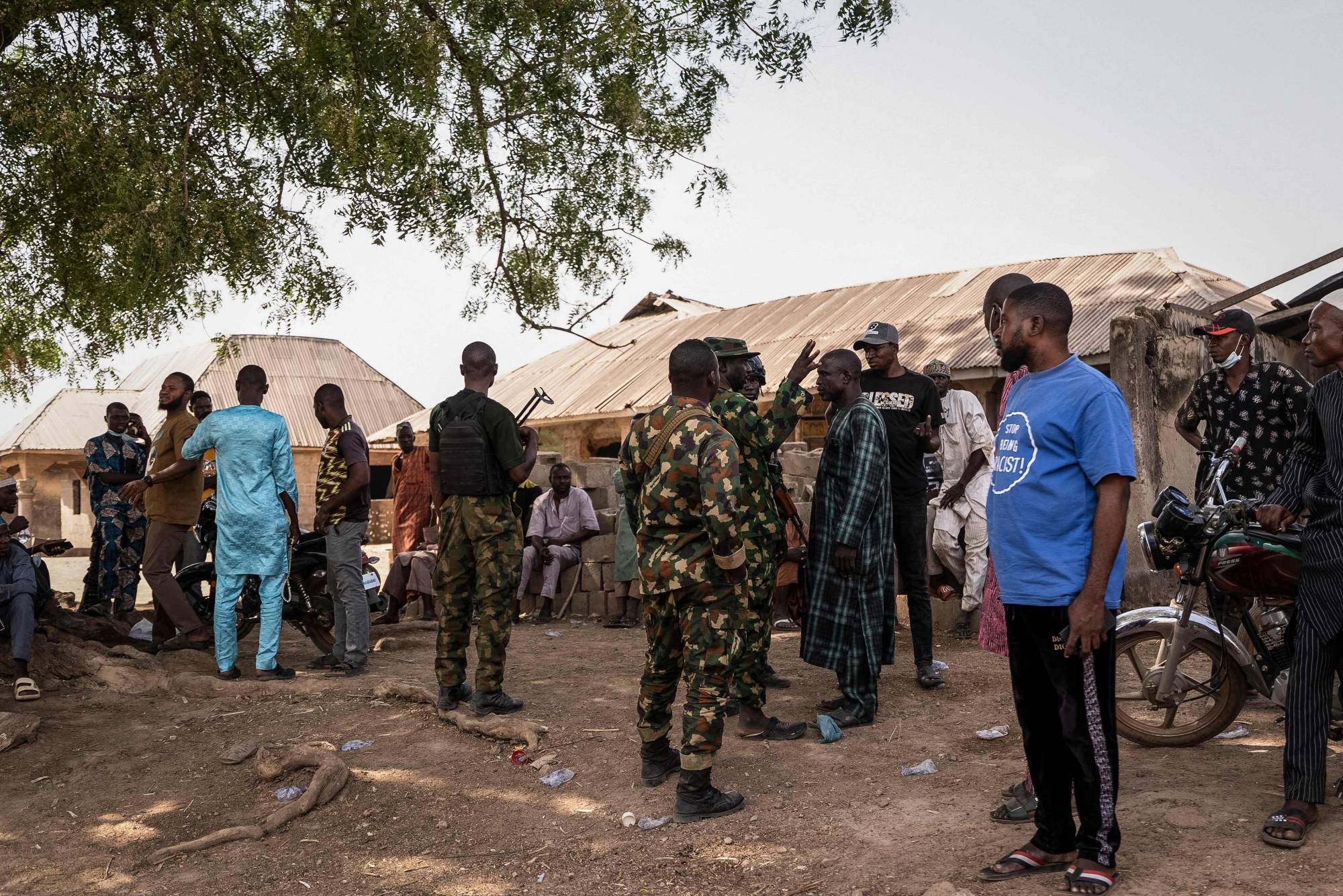
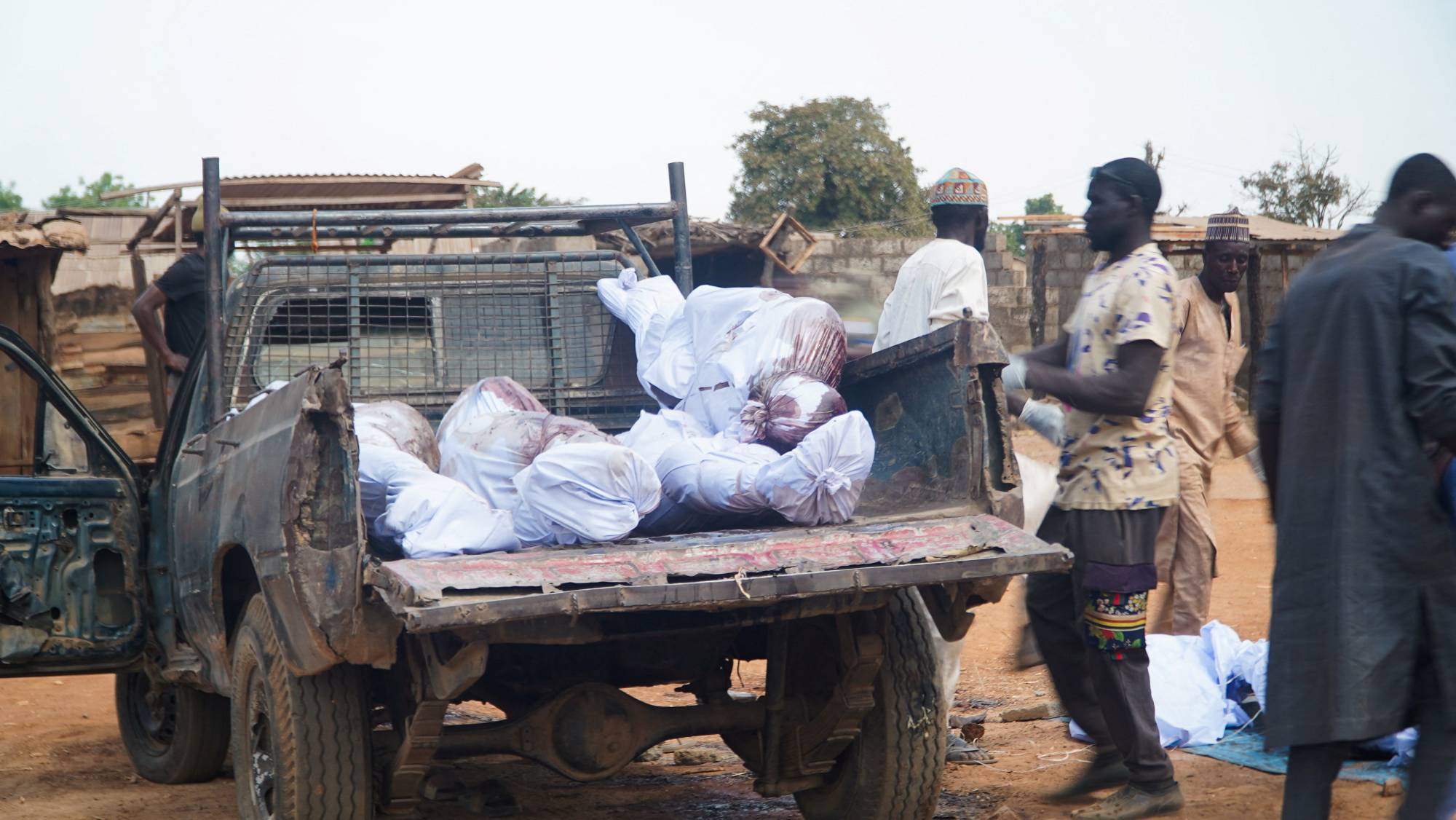
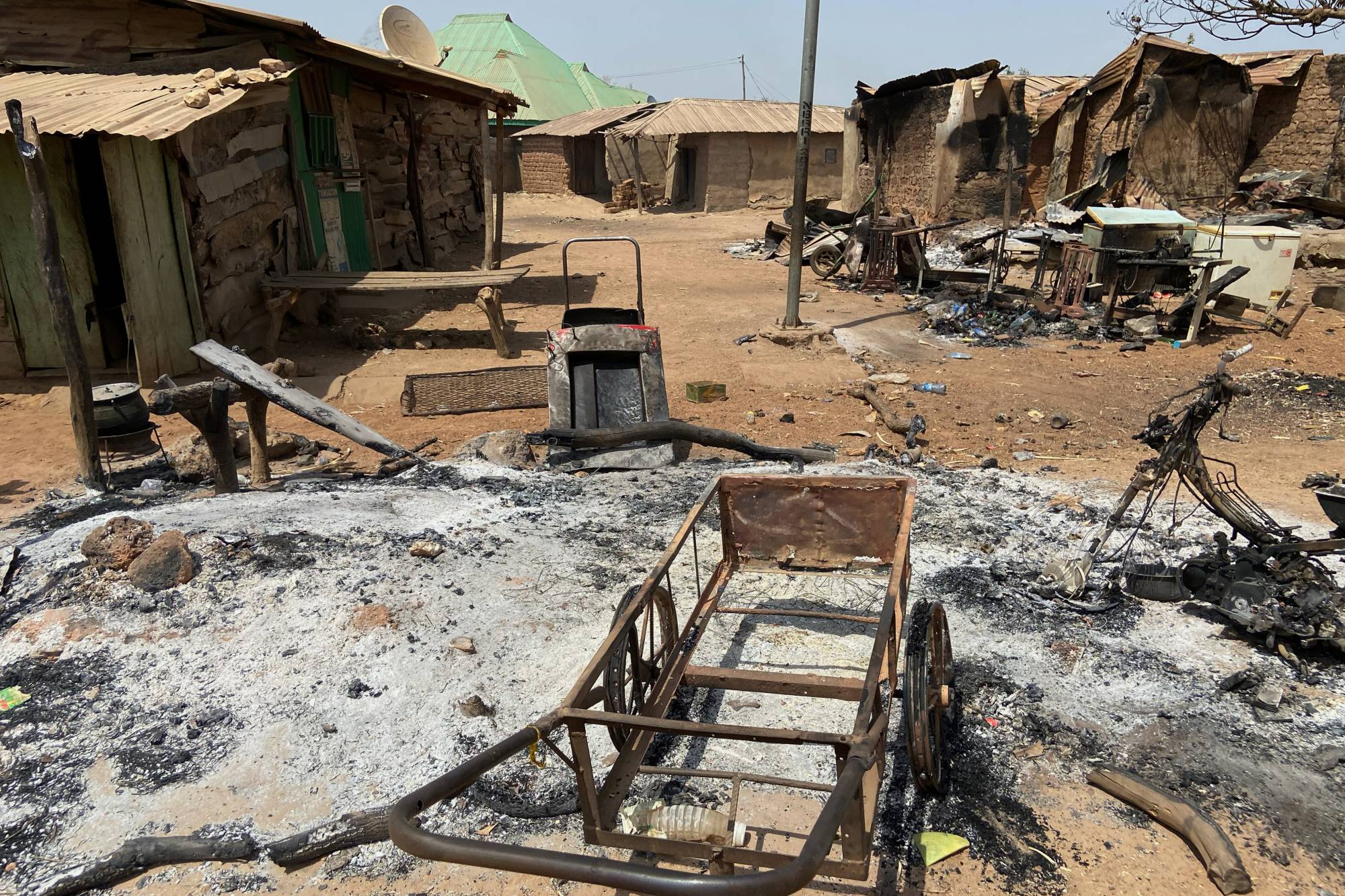
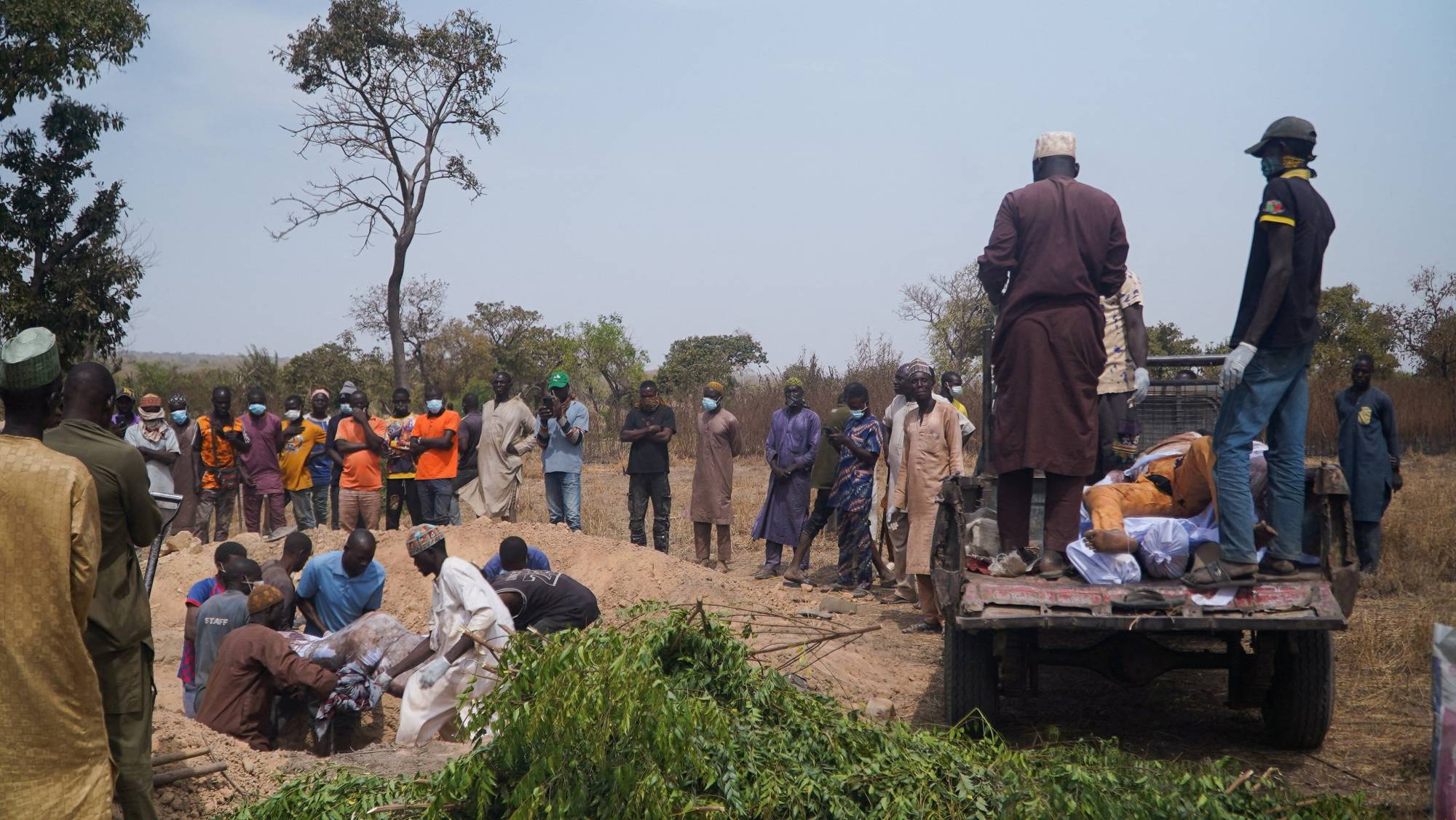
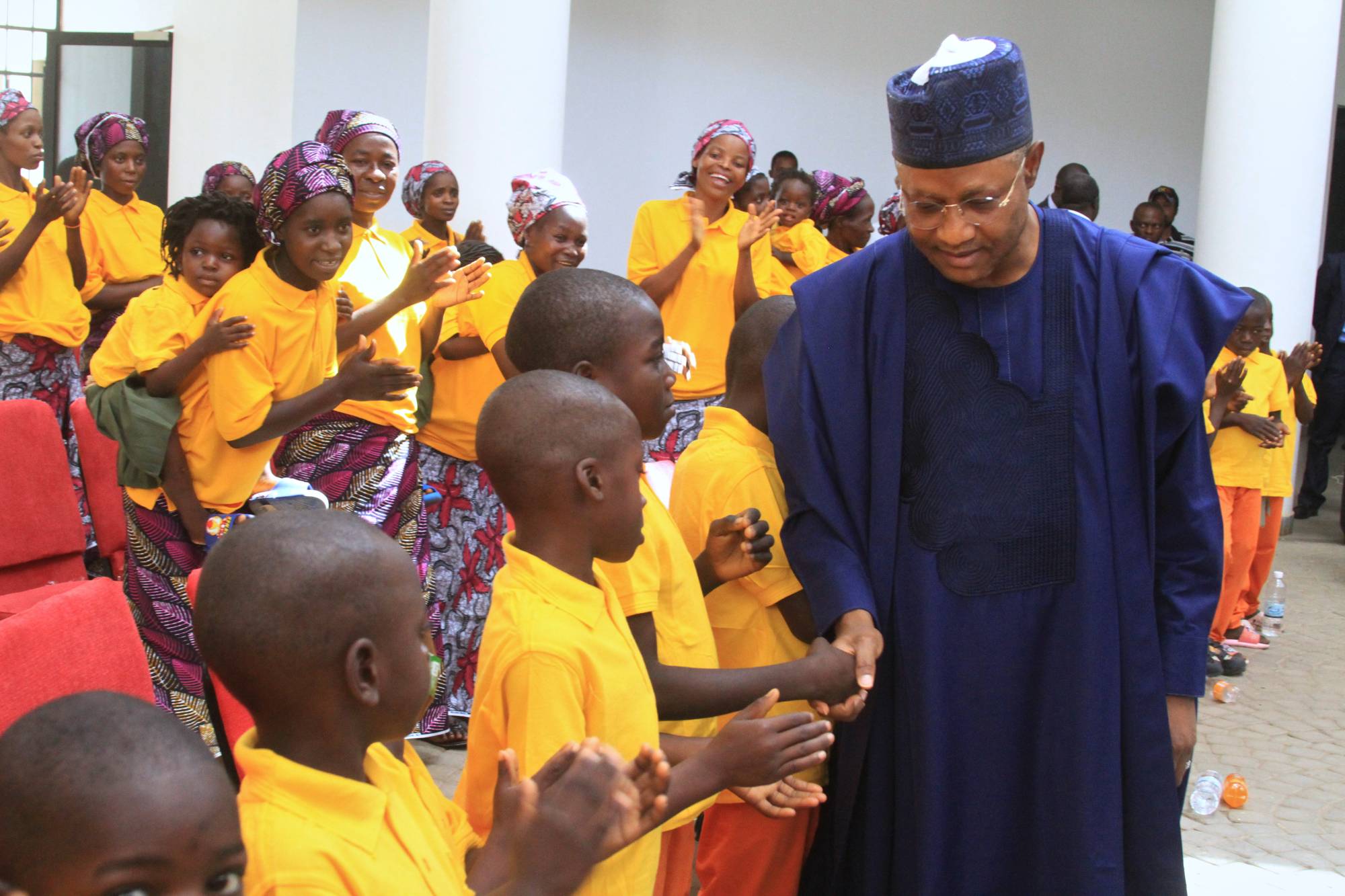
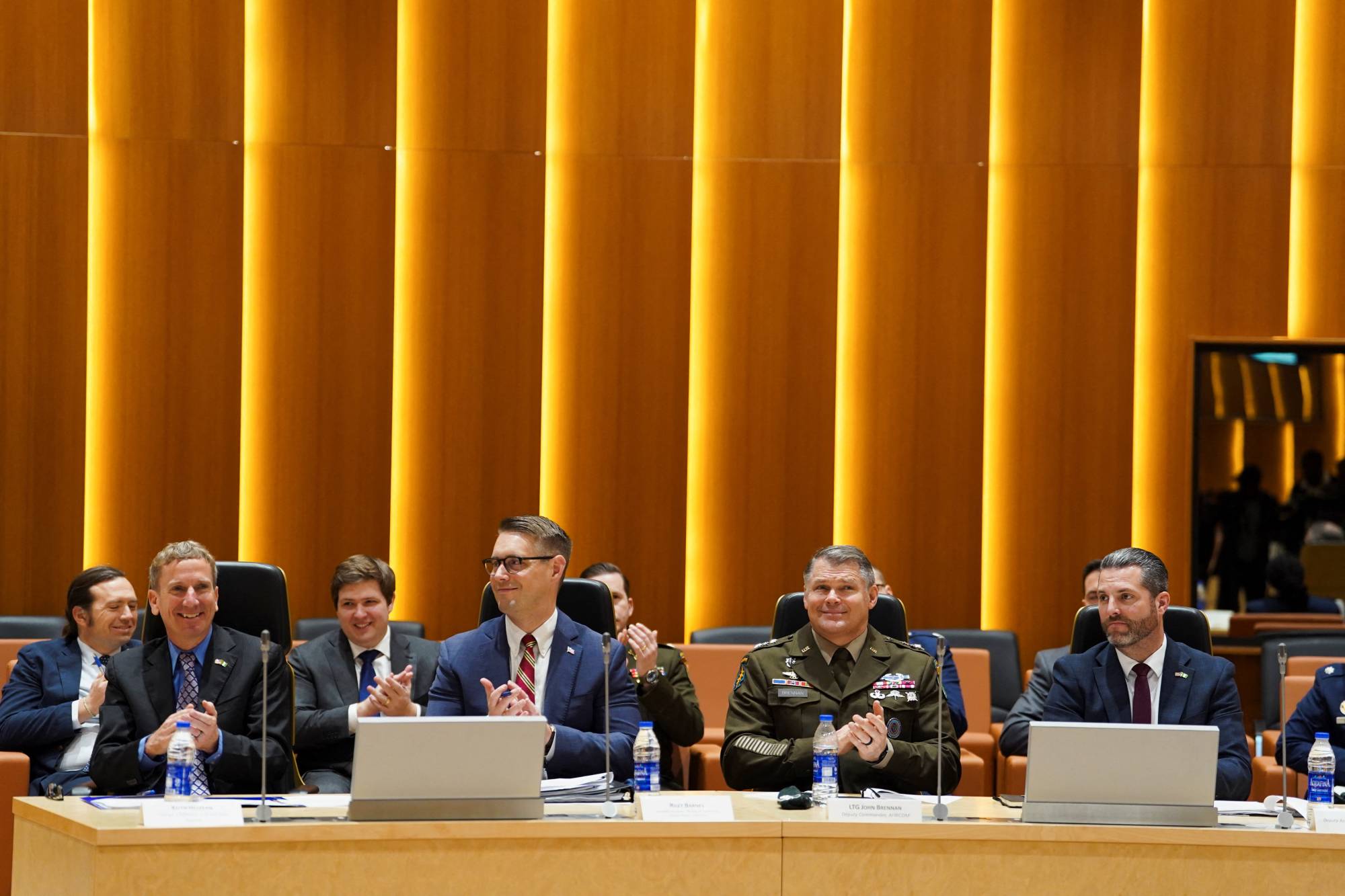
Nigerian forces in Kwara State after the terrorist attack on the Muslim villageTransporting the bodies of victims of the terrorist attackHouses destroyed as a result of the armed attack on Wuro village in Kwara StateBurying the bodies of victims of the armed terrorist attack on Wuro village in Kwara StateGovernor Uba Sani of Kaduna State shaking hands with previously kidnapped church congregants after their returnThe American crew in the Nigeria-United States Joint Task Force<img alt="
Rubaya coltan mine
The Rubaya coltan mine is a significant mining site in the Democratic Republic of the Congo, located in the resource-rich North Kivu province. Historically, the extraction of coltan—a mineral essential for electronics—has been central to the local economy but has also been linked to armed conflict, illegal trade, and severe human rights issues. Its operation remains deeply entangled with both the region’s instability and global supply chains for modern technology.
Democratic Republic of Congo
The Democratic Republic of Congo (DRC), located in Central Africa, is a country rather than a single site, with a complex history marked by the pre-colonial Kingdom of Kongo, the brutal colonization under King Leopold II of Belgium as the Congo Free State, and a tumultuous post-independence period since 1960. It is culturally and ecologically vast, home to UNESCO sites like Virunga National Park (Africa’s oldest) and the vibrant Congolese rumba music tradition. The nation remains rich in biodiversity and mineral resources, yet has faced significant challenges with conflict and governance.
Wuro village
Wuro is a traditional village located in the Mandara Mountains of northern Cameroon, primarily inhabited by the Podoko people. Historically, it is known for its distinctive, fortified stone houses and granaries built on rocky outcrops, a defensive architectural style developed centuries ago to protect against slave raids. Today, it stands as a significant cultural site representing the pre-colonial history and adaptive building techniques of the region’s montane communities.
Kwara State
Kwara State is a region in western Nigeria, established in 1967 during the country’s administrative reorganization. Historically, it was part of the ancient Nupe and Yoruba kingdoms, most notably the old Oyo Empire. Today, it is known as the “State of Harmony” for its cultural diversity and hosts significant sites like the Esie Museum, which contains the largest collection of soapstone figures in Africa.
Kaduna State
Kadou State is located in northwestern Nigeria and was historically a major center for the Hausa people and later British colonial administration. Today, it is a diverse and populous state known for its agricultural output, textile industry, and as a key transportation hub. The state has a complex history of both interfaith cooperation and conflict between its significant Christian and Muslim populations.
Nigeria-United States Joint Task Force
The Nigeria-United States Joint Task Force is a bilateral military cooperation framework, primarily focused on the Lake Chad Basin region. It was established to enhance Nigeria’s capacity to counter security threats, most notably the militant group Boko Haram, through training, intelligence sharing, and advisory support from U.S. forces. This partnership reflects a long-standing strategic alliance aimed at promoting regional stability.