More than 200 dead at mining site in eastern Democratic Republic of Congo.
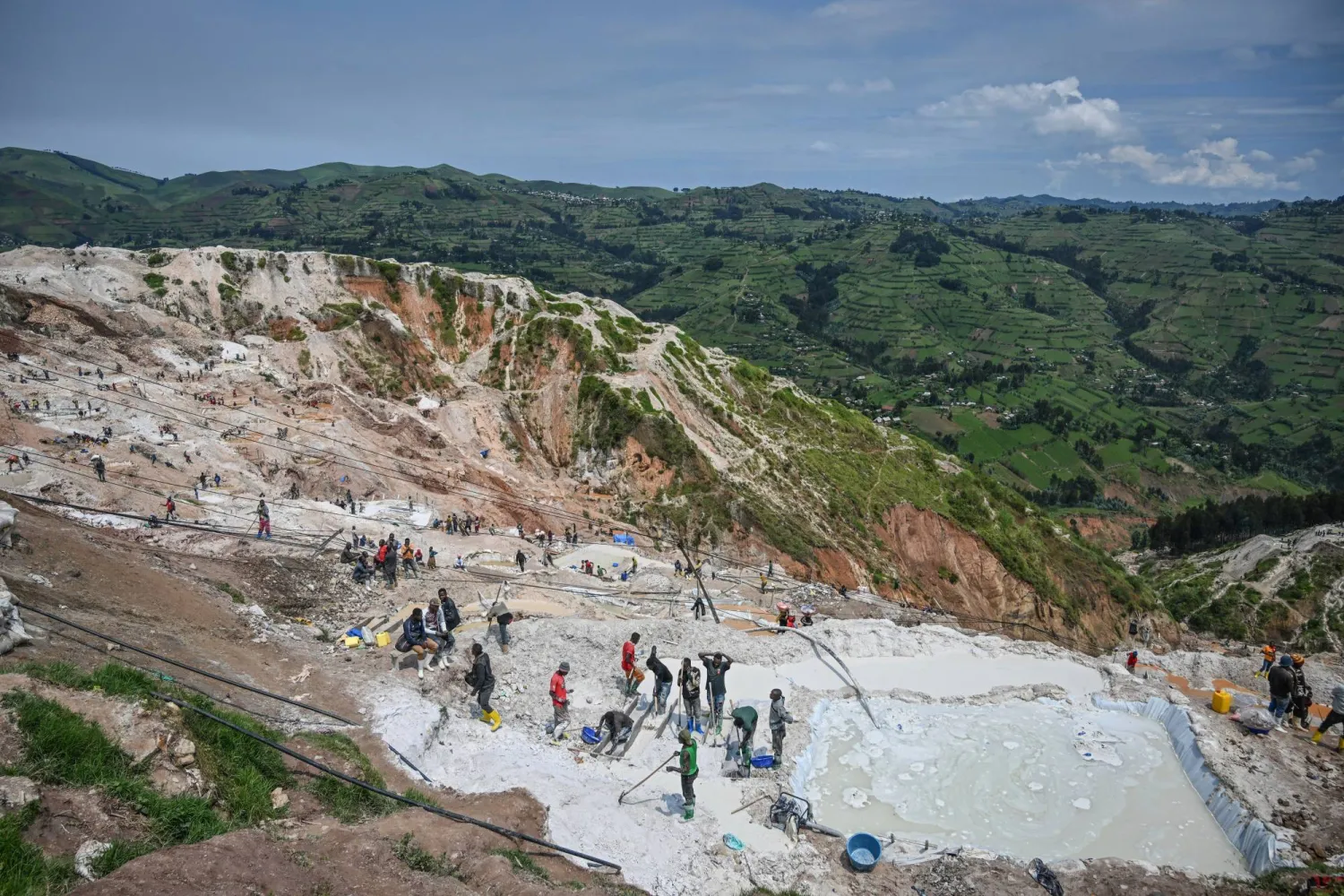
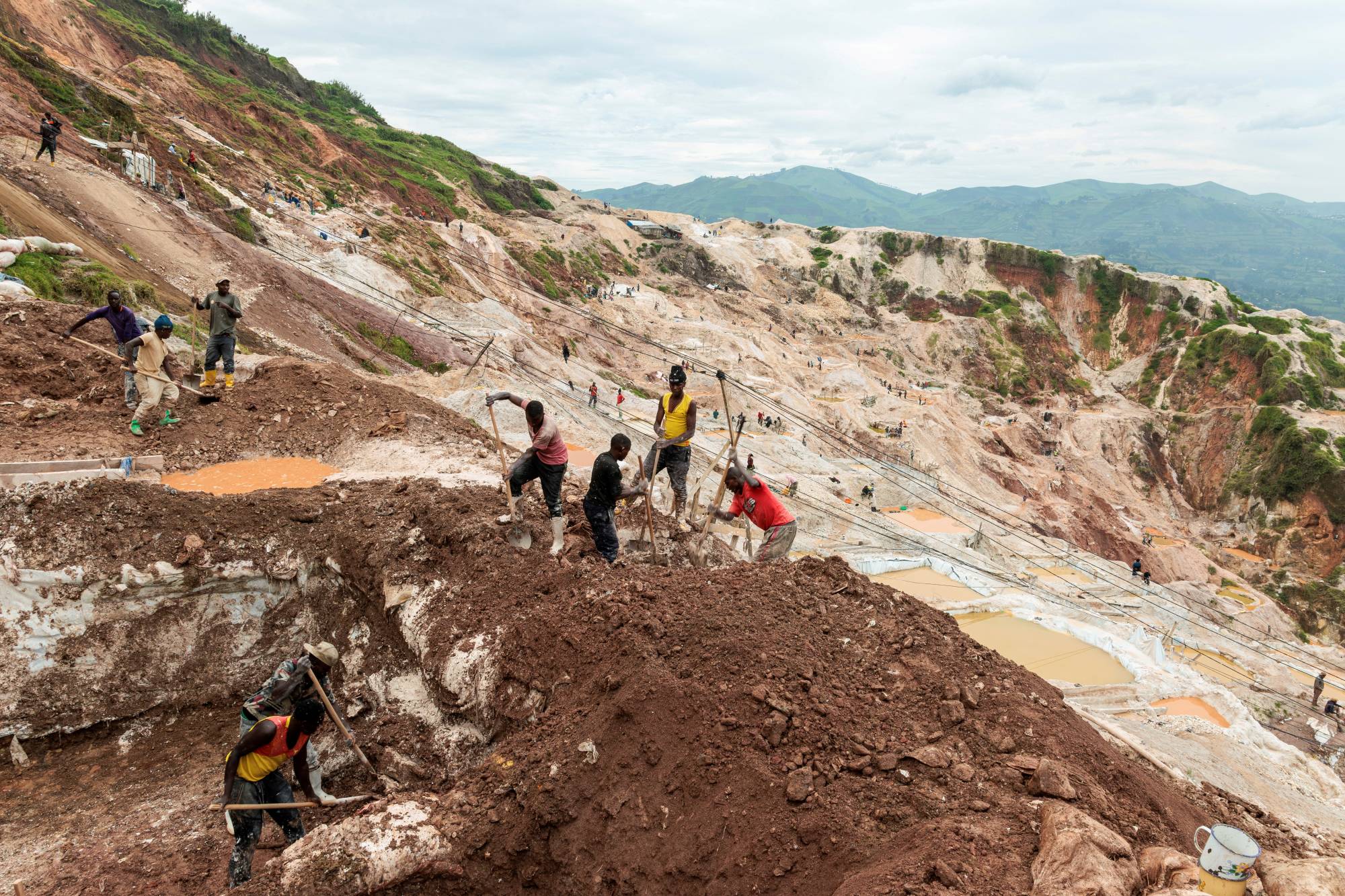
At least 200 people were killed last week when a landslide destroyed several mines at a major coltan mining site in eastern Democratic Republic of Congo, according to rebel authorities.
The landslide occurred last Wednesday in the Rubaya mines, which are under the control of the M23 (March 23) rebel movement. The landslide was caused by heavy rains.
“So far, there are more than 200 dead, some of whom are still in the mud and have not been recovered,” a spokesperson said. Several other people were injured and taken to 3 health facilities in the town of Rubaya, where ambulances are expected to transport the wounded to Goma, the nearest city about 50 kilometers (30 miles) away.
The rebel-appointed governor of North Kivu province has temporarily suspended mining operations at the site and ordered the relocation of residents who built shelters near the mine.
Rubaya lies at the heart of eastern Democratic Republic of Congo, a mineral-rich region in the Central African nation that has been torn apart for decades by violence from government forces and various armed groups, including the Rwanda-backed M23 movement, whose recent resurgence has escalated the conflict, worsening an already acute humanitarian crisis.
The M23 movement is the most prominent among more than 100 armed groups vying for control of the mineral-rich eastern Congo, according to the United Nations.
The fighting has displaced more than 6 million people in the region, making it the world’s largest humanitarian crisis.
M23 (March 23) took control of the mining town of Rubaya, which produces 15 to 30 percent of the world’s coltan, in April 2024.
It is estimated that conflict-ridden eastern Congo, torn by strife for 30 years, contains between 60 and 80 percent of the world’s reserves of the mineral from which tantalum is extracted, a key element in the manufacture of modern electronic equipment.
The site where workers operate using traditional methods is located about 70 kilometers west of Goma, the capital of North Kivu province, which has also been under M23 control since January 2025.
According to initial reports, part of a mountain slope collapsed in the mining area, which extends over tens of square kilometers, on Wednesday afternoon. Another soil slippage occurred on Thursday morning.
“The hill collapsed and people died,” said the M23-appointed governor of North Kivu province, who was present at the scene.
“Some bodies have been found,” he added, without giving a specific number but indicating the possibility of a large death toll.
Ronaldo celebrating after scoring a goalA newspaper vendor on a street in Niamey following the attack on the international airport in the capitalImage from a video released by the Nigerian army of suspects involved in the attack on Niamey airport after
Rubaya
Rubaya is a town in the North Kivu province of the Democratic Republic of the Congo. It is historically significant as a major mining center for coltan, a mineral essential for electronics, and its history has been deeply shaped by the region’s conflicts over control of these valuable resources.
Democratic Republic of Congo
The Democratic Republic of Congo (DRC), located in Central Africa, is a country rather than a single site, with a complex history marked by the pre-colonial Kingdom of Kongo, the brutal colonization under King Leopold II of Belgium as the Congo Free State, and a tumultuous path to independence in 1960. It is home to significant cultural and natural landmarks, including the Congo River basin, Virunga National Park (Africa’s oldest national park), and a rich heritage of traditional music and art. The nation continues to grapple with the legacy of conflict and exploitation while being renowned for its vast mineral resources and biodiversity.
Goma
Goma is a city in the eastern Democratic Republic of the Congo, situated on the northern shore of Lake Kivu. It is historically significant as a major trading hub and was the site of a massive humanitarian crisis following the eruption of the nearby Mount Nyiragongo volcano in 2002, which destroyed much of the city’s center. Today, it remains a critical but volatile administrative center in a region often affected by conflict.
North Kivu province
North Kivu is a province in the eastern Democratic Republic of the Congo, bordering Rwanda and Uganda. It is historically significant for its rich natural resources and tragic history of conflict, including the Rwandan Genocide’s aftermath and ongoing violence involving numerous armed groups. The region is also home to Virunga National Park, Africa’s oldest national park and a UNESCO World Heritage site.
Central African nation
The Central African Republic is a landlocked nation in Central Africa that gained independence from France in 1960. Its history is marked by political instability and conflict, but it is home to significant cultural and natural sites, including the Manovo-Gounda St Floris National Park, a UNESCO World Heritage site known for its wildlife, and the ancient rock art of the Bambari region.
M23 (March 23) rebel movement
The M23 rebel movement is an armed group active in the eastern Democratic Republic of the Congo (DRC), primarily composed of ethnic Tutsis. It first emerged in 2012, claiming to defend Tutsi interests against other militias and protesting the failure of a 2009 peace agreement. The group, which has been accused of widespread human rights abuses and is believed to have received external support, has been a major destabilizing force in the region, leading to significant conflict and displacement.
United Nations
The United Nations (UN) is an international organization founded in 1945 after World War II to promote peace, security, and cooperation among nations. Headquartered in New York City, it replaced the failed League of Nations and now has 193 member states working through bodies like the General Assembly and Security Council to address global issues.
Niamey
Niamey is the capital and largest city of Niger, located on the Niger River. It grew from a small fishing village to become the administrative center after French colonization in the late 19th century, officially becoming the capital in 1926. Today, it is a major cultural and economic hub, home to landmarks like the Grand Mosque and the National Museum of Niger.