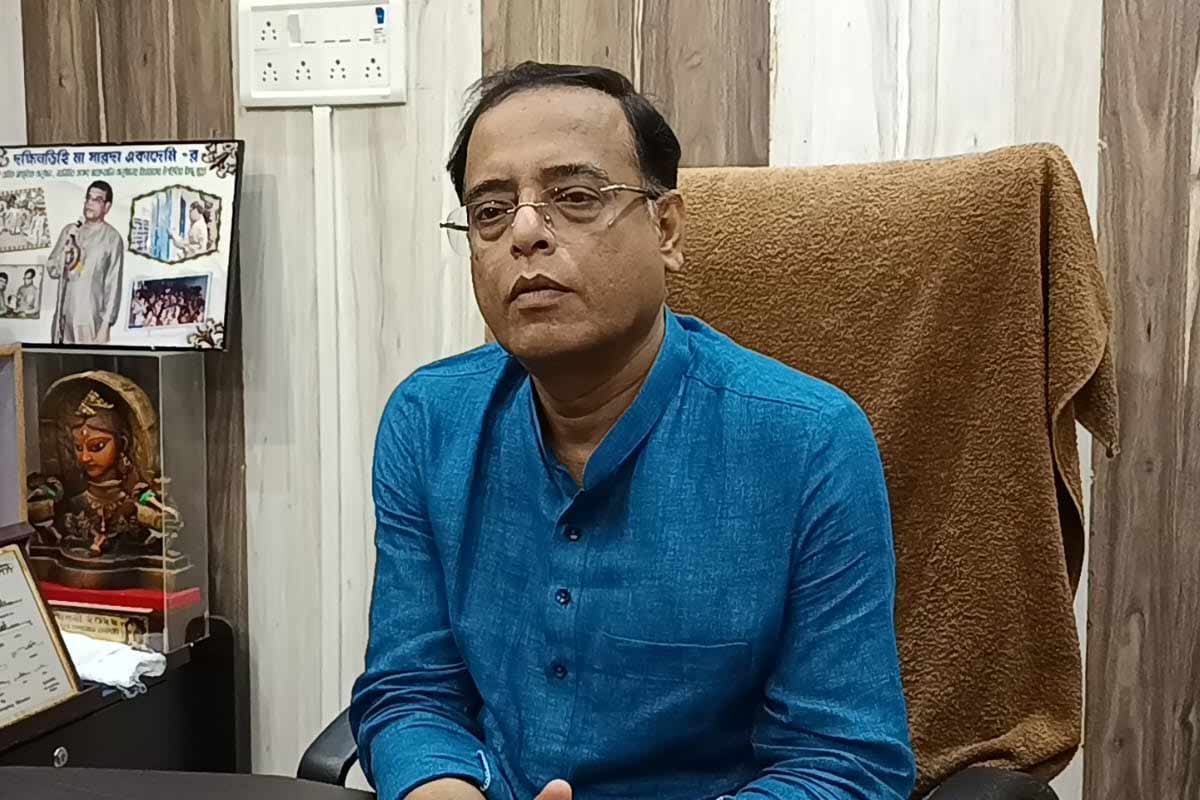
After the results of the 2026 assembly elections were announced, the party was shattered. In this situation, former minister Snehasis Chakraborty is taking the path of political renunciation. On Thursday, he made this announcement while sitting at his home in Kanaiyur, Konnagar, Hooghly. In the assembly elections, Snehasis contested from the Jangipara constituency in Hooghly as a candidate for the party. He lost to the BJP candidate by a narrow margin. After the election results were declared, he was no longer seen on the political field. He was not seen at any meetings called by the leadership or at programs at the central avenue. He has clearly stated that he will not engage in active politics for any party in the future. However, he will continue to participate in writing or political discussions.
More news on this topic
Regarding his future political stance, Snehasis Chakraborty said, “I can remain as a supporter or ordinary worker of the party, but I no longer have the desire to engage in active politics on the ground. I cannot adapt myself to the current political situation.” There was a hint of resentment in Snehasis’s voice against the party leadership. He claimed, “The leadership tried their best. However, it would have been better if there was more direct communication with district-level leaders. That was the biggest shortcoming.” According to the former minister, many party leaders and workers could not directly reach the top leadership, which created a major gap within the organization. In his view, the space for MLAs and MPs to express their opinions freely within the party was very limited. After the election defeat, many representatives are determining their own roles as opposition leaders and other positions, which he believes reflects the internal discontent within the party.
He further said, “Today I have to speak against one person, tomorrow against another. While engaging in political opposition, I have to use vulgar language and make personal attacks – I do not like this kind of politics.” He repeatedly emphasized that the main goal of politics should be the development of people. Regarding the election results, Snehasis opined, “People voted for the winning candidate. He is a fighting leader and came to power with public support. The new government should be given a chance to work. It remains to be seen how much they can fulfill people’s expectations.” Welcoming the new government, he said, “The responsibility now rests with them to fulfill the expectations with which people brought about change.”