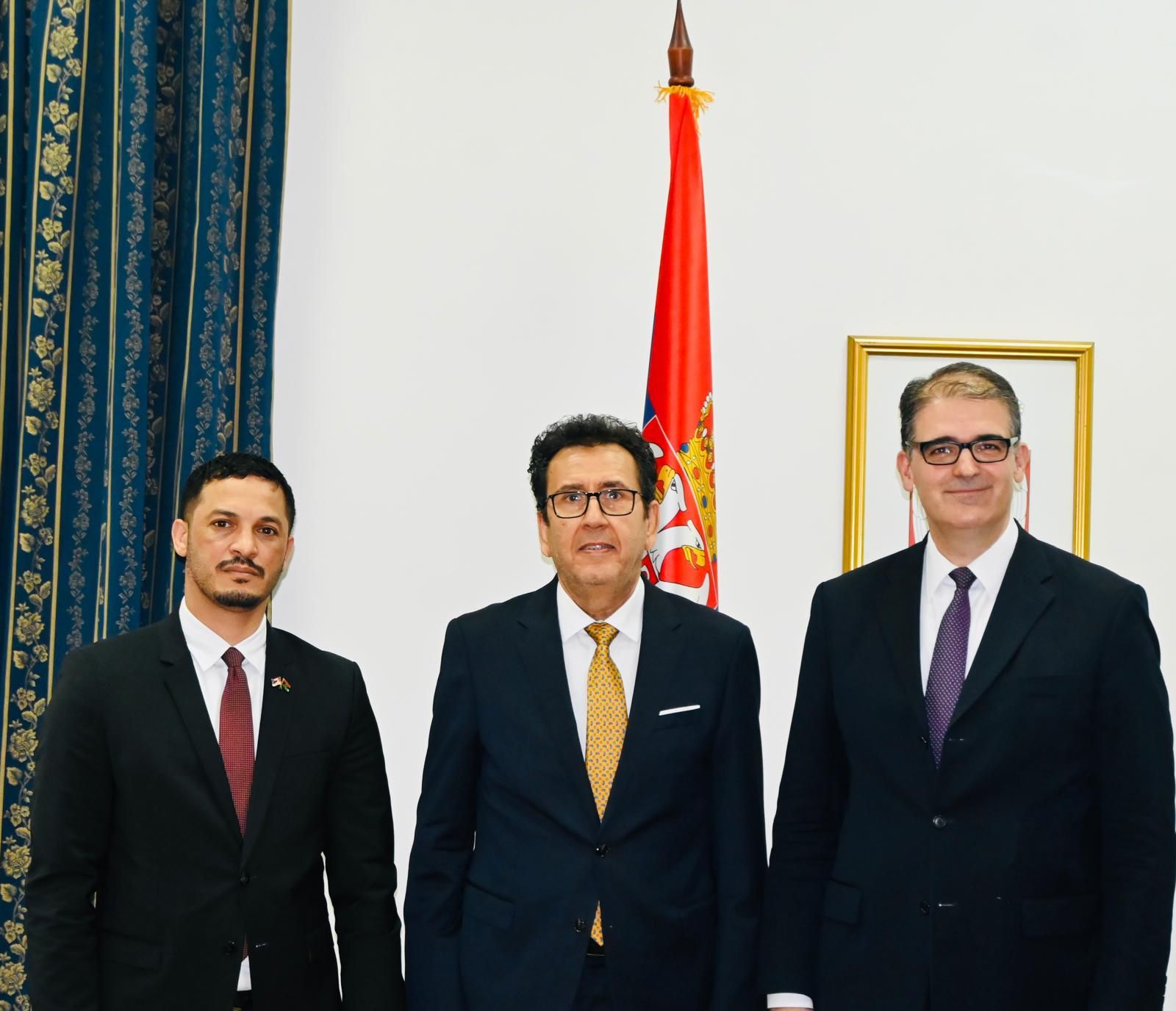
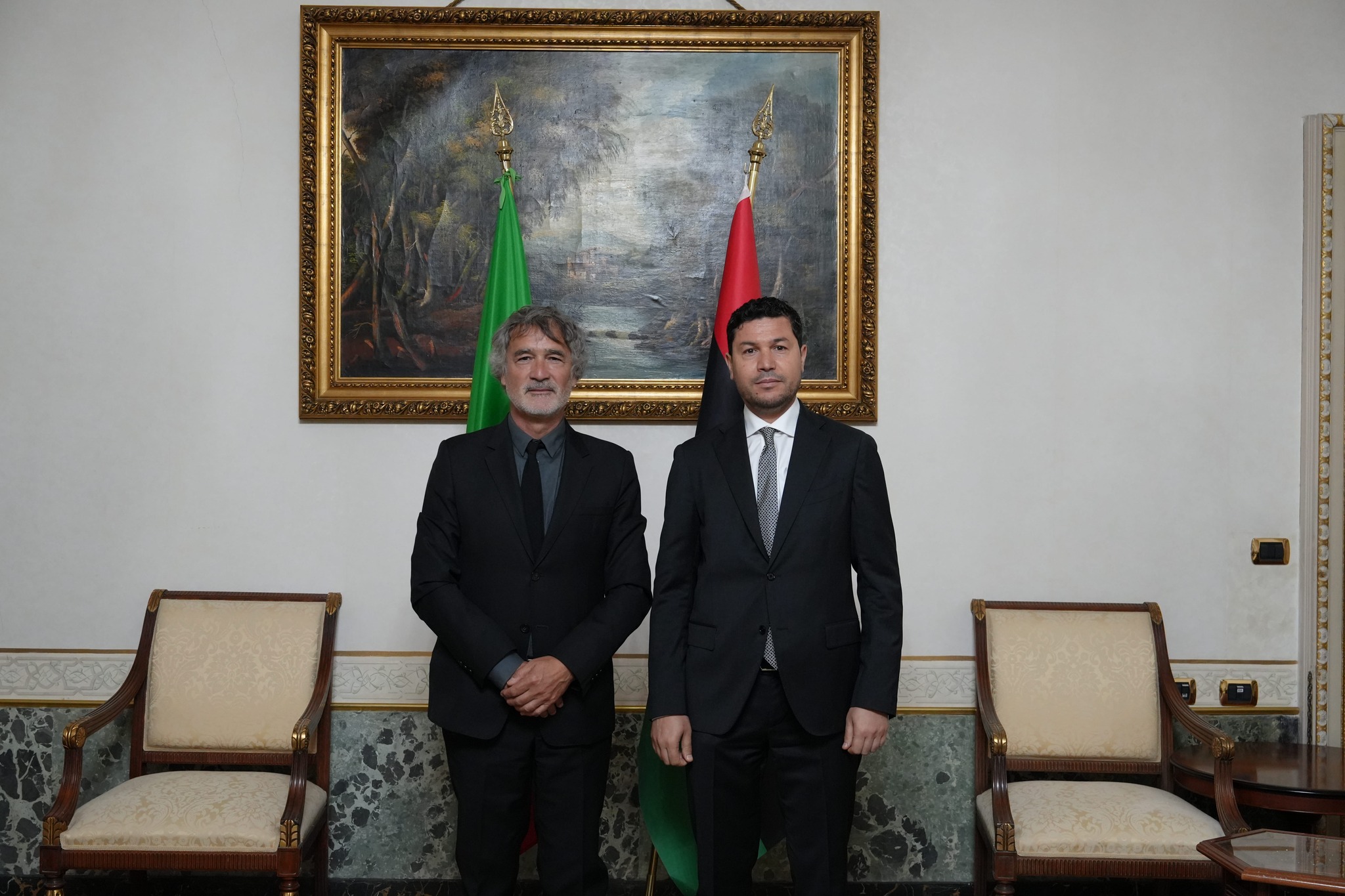
Rome, June 5, 2026 – The Libyan ambassador to Italy met on Thursday morning at the embassy with Italian archaeologist Professor Savino di Lernia, professor of African archaeology and ethnoarchaeology at Sapienza University in Rome and one of the leading specialists in Saharan prehistory studies.
During the meeting, the two sides reviewed the final arrangements for the return of the “Takarkori” mummy, which was discovered in 2003 in the Tadrart Acacus region, southwestern Libya.
Professor Savino di Lernia explained that the mummy was taken to Italy in 2004 for scientific study, restoration, and preservation, where it underwent specialized research programs that helped document its historical and archaeological value.
The mummy, belonging to a woman who lived about seven thousand years ago during the Green Sahara period, is considered one of the most important archaeological discoveries in North Africa for the valuable scientific information it provided about ancient pastoral societies in the Sahara.
According to information released, the mummy is scheduled to be transported next Saturday on a dedicated plane, ahead of its display in the permanent collection of the National Museum in Tripoli, marking the return of one of Libya’s most significant archaeological artifacts to its homeland.
In conclusion, the Libyan ambassador expressed appreciation for the scientific efforts made by Professor Savino di Lernia in studying Libya’s archaeological heritage and highlighting its cultural value, wishing for continued fruitful cooperation between researchers and scientific institutions in both friendly countries.