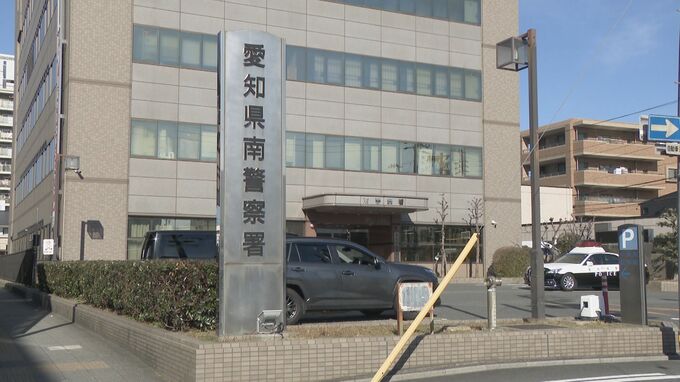
A 29-year-old doctor from Nagoya City has been arrested for allegedly engaging in indecent acts with a 14-year-old girl after promising to give her money.
The suspect, a doctor from Mizuho Ward, Nagoya City, is suspected of meeting the girl through social media in March this year, promising her cash, and then committing indecent acts with her at a hotel in Mizuho Ward.
Nagoya City
Nagoya City, located in central Japan, is a major industrial and cultural hub known for its historic Nagoya Castle, built in the early 17th century by the Tokugawa clan. The city flourished as a key post town on the Tokaido road during the Edo period and later became a center for manufacturing, especially in ceramics and automotive industries. Today, it blends traditional heritage with modern innovation, offering attractions like the Atsuta Shrine and the Nagoya City Science Museum.
Mizuho Ward
Mizuho Ward is a district located in Nagoya, Japan, known for its historical and cultural significance. It was officially established as a ward in 1937, and it is home to notable sites such as the Atsuta Jingu, one of Shinto’s most important shrines, which dates back nearly 2,000 years and houses the sacred sword Kusanagi-no-Tsurugi. The area blends modern urban life with deep-rooted traditions, offering a glimpse into Japan’s rich heritage.
Nagoya City
Nagoya City is a major port and industrial hub in Japan’s Aichi Prefecture, with a history rooted in the early 17th century when the powerful Owari Tokugawa clan built Nagoya Castle. The city flourished as a key post town on the Tokaido road and later became a center for manufacturing, notably ceramics and automotive production (home to Toyota). Despite heavy bombing in World War II, Nagoya was rebuilt and now blends modern urban life with cultural landmarks like the reconstructed castle and Atsuta Shrine.
Nagoya Castle
Nagoya Castle, originally built in 1612 by the Tokugawa shogunate, served as a strategic military and political center in central Japan. The castle was largely destroyed during World War II air raids in 1945, but its main keep was reconstructed in 1959 using reinforced concrete. Today, it remains a popular tourist attraction, known for its iconic golden shachihoko (dolphin-like) roof ornaments and surrounding gardens.
Atsuta Shrine
Atsuta Shrine is one of Japan’s most important Shinto shrines, located in Nagoya. It is traditionally believed to have been founded in the 1st century AD and houses the sacred sword Kusanagi-no-Tsurugi, one of the three Imperial Regalia of Japan. The shrine has been a revered site for centuries, though its current main buildings were reconstructed after suffering damage during World War II.
Nagoya City Science Museum
The Nagoya City Science Museum is one of Japan’s largest science museums, renowned for its striking spherical planetarium, which is among the world’s largest. Opened in 1962 and extensively renovated in 2011, the museum features interactive exhibits on astronomy, physics, and technology. Its history reflects Nagoya’s commitment to science education, with the current building designed to inspire curiosity through hands-on learning and immersive experiences.
Mizuho Ward
Mizuho Ward is a district located in Nagoya, Japan, known for its residential character and cultural landmarks, including the Mizuho Park and the Mizuho Ward Office. Historically, the area developed as part of Nagoya’s expansion during the 20th century, with its name meaning “abundant rice” in Japanese, reflecting its agricultural roots before urbanization. Today, it serves as a quiet suburban hub within the bustling city, offering green spaces and local community life.
Atsuta Jingu
Atsuta Jingu is one of Japan’s most important Shinto shrines, located in Nagoya. It is renowned for housing the sacred sword Kusanagi-no-Tsurugi, one of the three Imperial Regalia of Japan, and has a history spanning over 1,900 years. The shrine was originally established to safeguard this legendary artifact and remains a major spiritual and cultural center.
Kusanagi-no-Tsurugi
Kusanagi-no-Tsurugi is a legendary Japanese sword and one of the Three Sacred Treasures of Japan, symbolizing the virtue of valor. According to myth, it was discovered by the god Susanoo inside the tail of the eight-headed serpent Yamata-no-Orochi and later given to the imperial family. The sword is enshrined at Atsuta Shrine in Nagoya and is historically associated with the divine right of Japan’s emperors, though it is never publicly displayed.
Tokaido road
The Tōkaidō road was one of the five major routes of Edo-period Japan, connecting Edo (modern-day Tokyo) to Kyoto. Established in the early 17th century under the Tokugawa shogunate, it stretched roughly 500 kilometers along the Pacific coast and featured 53 post stations offering lodging and supplies for travelers. This historic highway was famously depicted in Utagawa Hiroshige’s ukiyo-e series “The Fifty-three Stations of the Tōkaidō.”