Pakistani army chief visits Tehran amid optimism for a breakthrough.
As the latest U.S. proposal to end the war and reach an agreement between Iran and the United States awaits a response, Pakistan’s Chief of Army Staff, Asim Munir, is expected to arrive in Tehran on Thursday for an official visit.
Iranian sources reported that the Pakistani army chief’s visit to Tehran is part of mediation efforts between the U.S. and Iran, according to Iran’s ISNA news agency.
Pakistani sources confirmed that serious efforts are underway to open the door for Iranian-American negotiations and remove obstacles, as reported by IRNA.
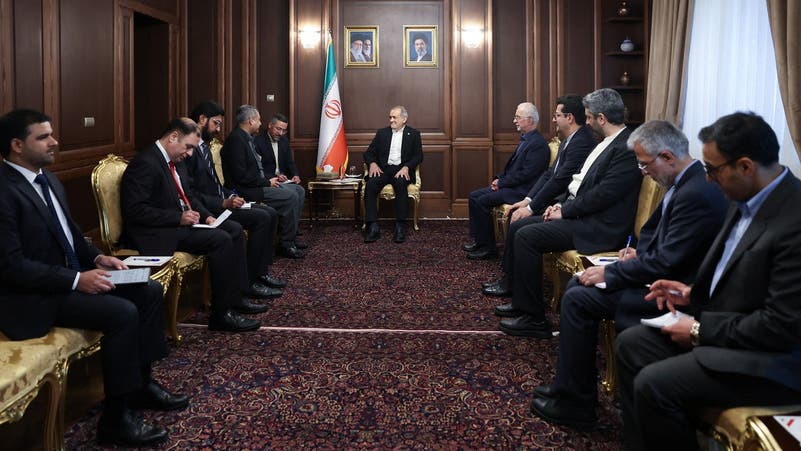
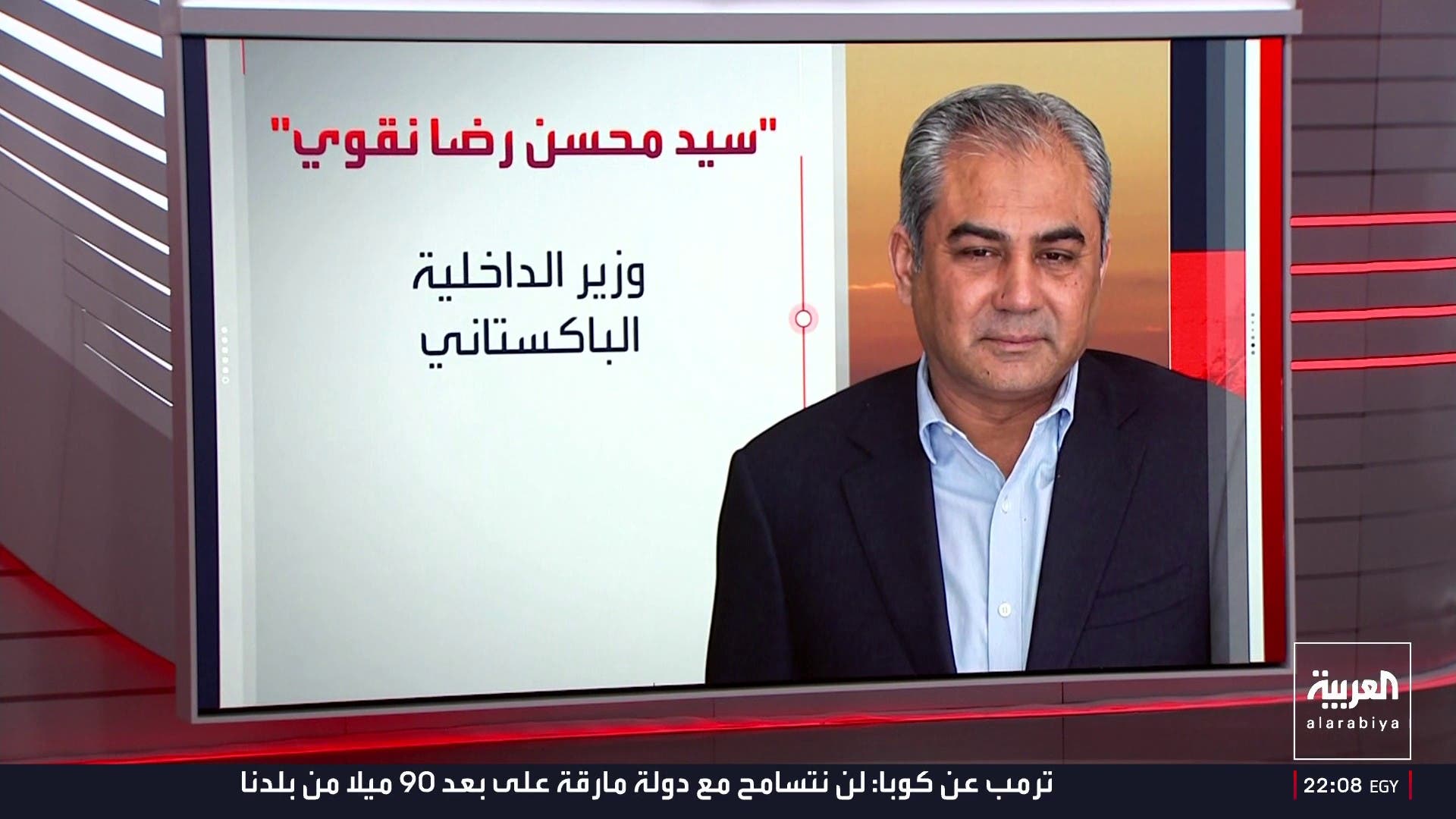
They predicted a possible breakthrough in talks between the two countries, following the second visit by Pakistani Interior Minister Mohsin Naqvi to Tehran yesterday and his meetings with high-ranking Iranian officials, including Foreign Minister Abbas Araghchi.
Araghchi and Naqvi
Mediation efforts have accelerated recently to bring the two sides’ viewpoints closer, aiming to reach an agreement to end the war that erupted on February 28.
Earlier today, Iranian Foreign Ministry spokesman Ismail Baghaei stated that his country “has received the American viewpoints and is studying them.”
He also noted that “several rounds of contacts have taken place based on the original Iranian framework consisting of 14 points.”
It remains unclear what has been achieved between the two sides or the features of a potential agreement, as Iranian officials continue to stress their rejection of transferring highly enriched uranium from inside Iran abroad, or completely relinquishing the right to enrich uranium, which Washington had previously insisted on.
However, some informed sources recently indicated the possibility of reaching a “declaration of intent” agreement between the Iranian and American sides, with the nuclear file and the reopening of the Strait of Hormuz to be discussed within 30 days.
Tehran
Tehran, the capital of Iran, is a sprawling metropolis that grew from a small village to a major political and cultural hub in the 18th century, when it became the capital under the Qajar dynasty. The city is home to historic sites like the Golestan Palace, a UNESCO World Heritage site, and the Azadi Tower, which symbolizes modern Iran. Today, it blends ancient Persian heritage with contemporary urban life, featuring bustling bazaars, museums, and a dynamic art scene.
Strait of Hormuz
The Strait of Hormuz is a narrow, strategically vital waterway connecting the Persian Gulf to the Gulf of Oman and the open ocean. Historically, it has been a crucial maritime route for global oil shipments, with roughly one-fifth of the world’s petroleum passing through it, making it a focal point for international trade and geopolitical tensions. Its significance dates back centuries, serving as a key artery for trade between the Middle East, Africa, and Asia.
<h3
Tehran
Tehran, the capital of Iran, is a sprawling metropolis that became the country’s political and cultural center in the late 18th century under the Qajar dynasty. Its history includes rapid modernization during the Pahlavi era, followed by the transformative 1979 Islamic Revolution. Today, Tehran blends ancient Persian heritage with modern urban life, featuring landmarks like the Golestan Palace and the Azadi Tower.
Strait of Hormuz
The Strait of Hormuz is a narrow, strategically vital waterway connecting the Persian Gulf to the Gulf of Oman and the open ocean. Historically, it has been a key maritime route for trade and oil transport, with its importance surging in the 20th century as a major chokepoint for global petroleum shipments. The strait has also been a focal point of geopolitical tension, particularly during the Iran-Iraq War and ongoing disputes involving Iran and other regional powers.
Golestan Palace
Golestan Palace is a historic royal complex in Tehran, Iran, originally built during the Safavid era and later expanded under the Qajar dynasty in the 19th century. It served as the official residence and seat of power for Qajar kings, blending traditional Persian architecture with Western influences. Today, it is a UNESCO World Heritage site, showcasing exquisite tilework, marble thrones, and ornate halls that reflect Iran’s rich cultural and political history.
Azadi Tower
The Azadi Tower, located in Tehran, Iran, is a iconic monument built in 1971 to commemorate the 2,500th anniversary of the Persian Empire. Originally named the Shahyad Tower, it symbolizes modern Iranian architecture, blending elements from pre-Islamic and post-Islamic designs. Today, it stands as a cultural symbol of Tehran, housing a museum and serving as a central gathering point for national celebrations and protests.