Explore the Japanese culture that captivated Yakumo at the Osaka Museum of History! Special exhibition “Koizumi Yakumo: Ghost Stories and the Gaze of a Folklorist” runs until June 8th.
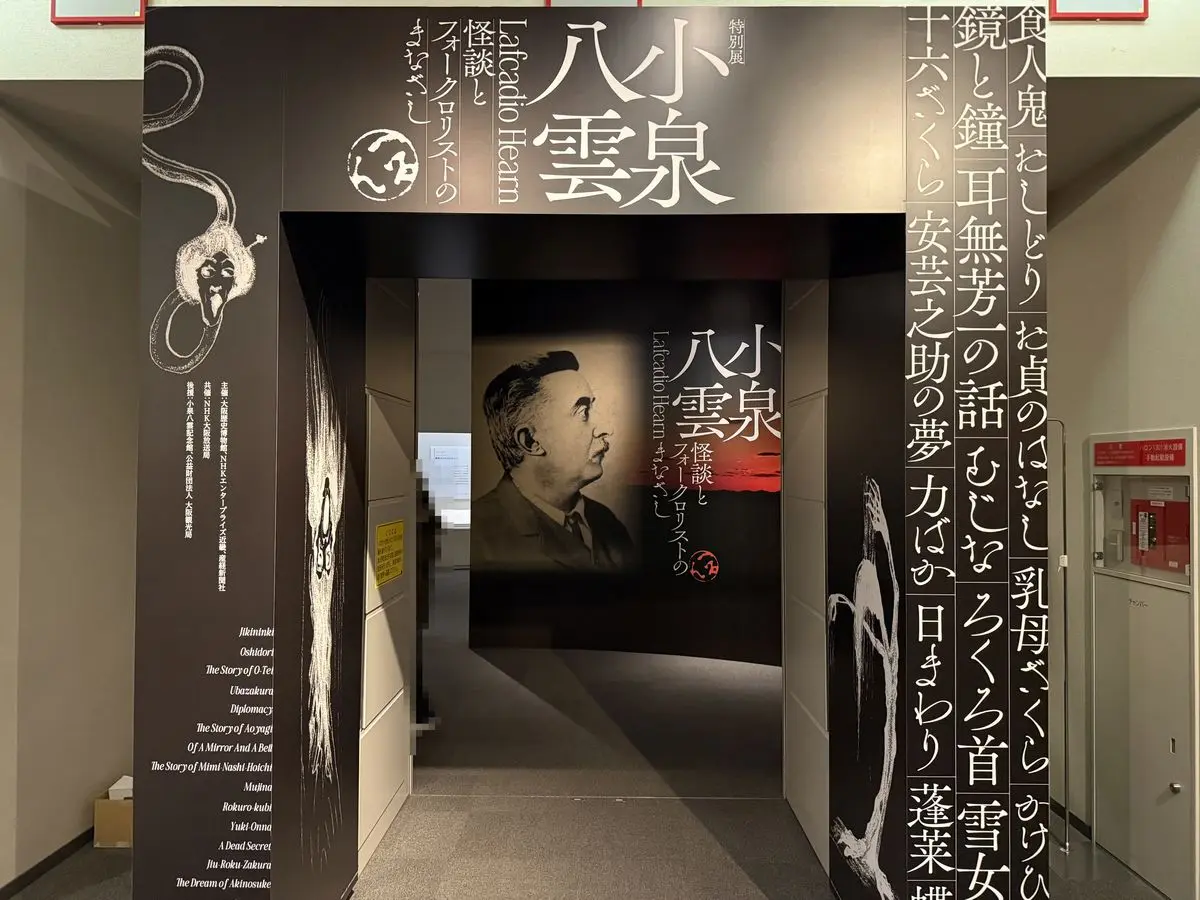
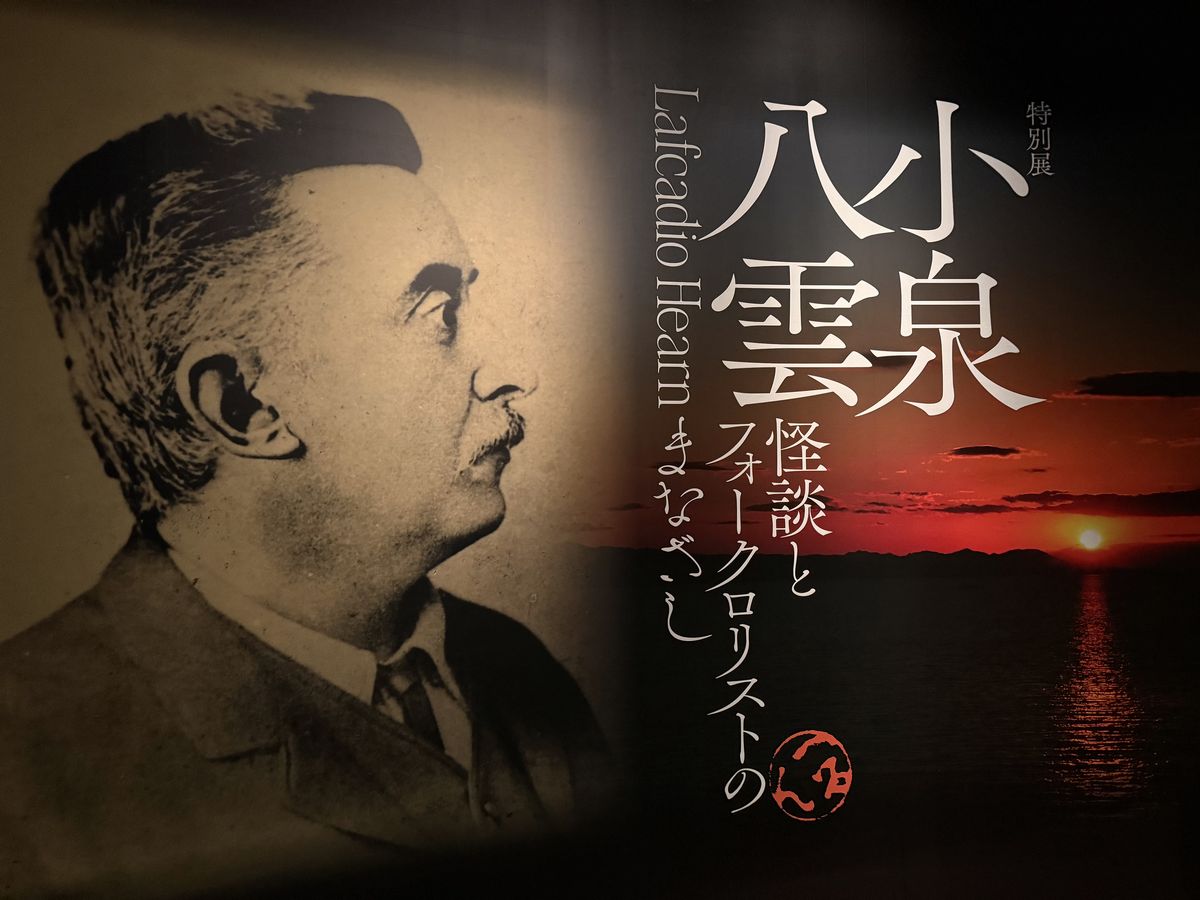
A special exhibition titled “Koizumi Yakumo: Ghost Stories and the Gaze of a Folklorist” will be held at the Osaka Museum of History, located at 4-chome Otemae, Chuo-ku, Osaka, from Saturday, April 11, 2026, to Monday, June 8, 2026. A special preview for the press was allowed.
The special exhibition “Koizumi Yakumo: Ghost Stories and the Gaze of a Folklorist” focuses on Koizumi Yakumo, a writer and folklorist who introduced Japanese culture abroad during the Meiji era. It is divided into chapters that explore how Yakumo depicted various traditions and customs from across Japan through his perspective.
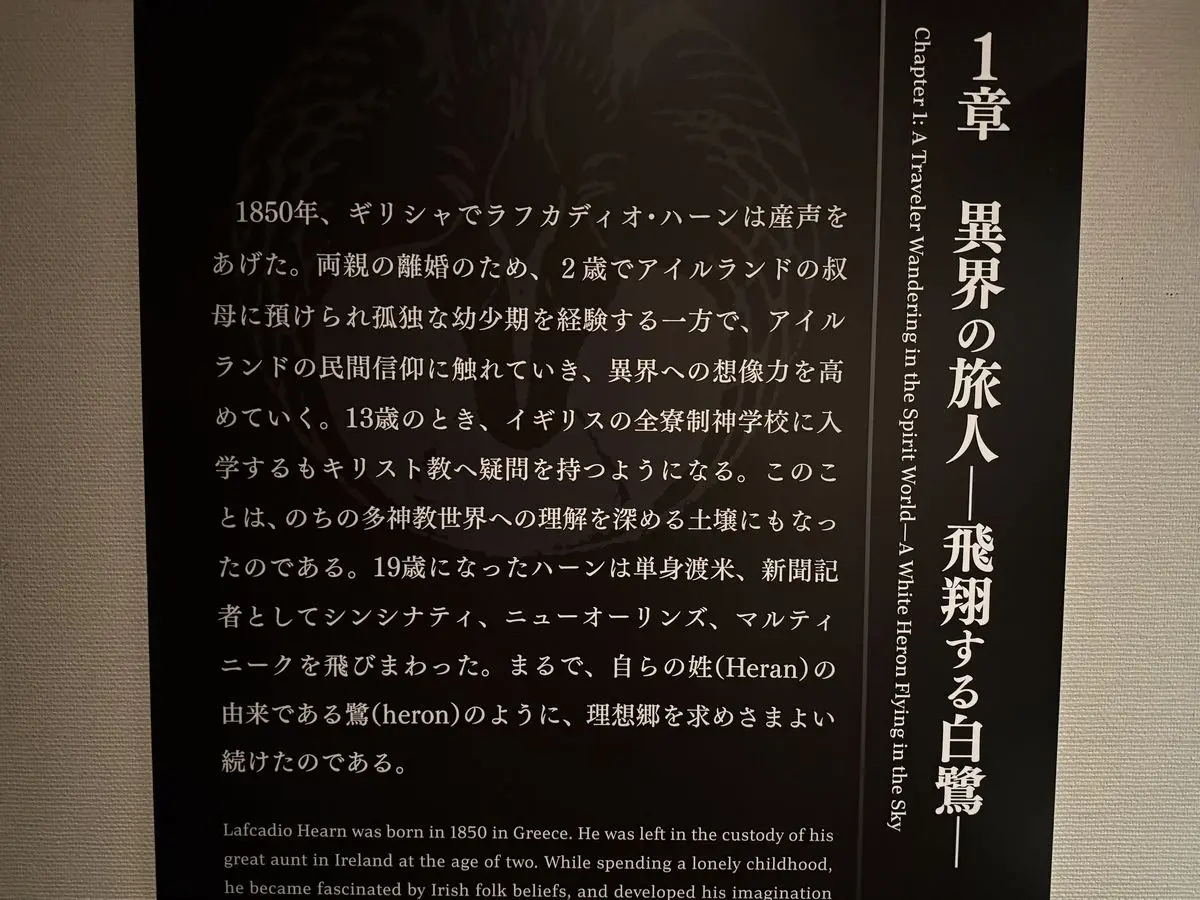
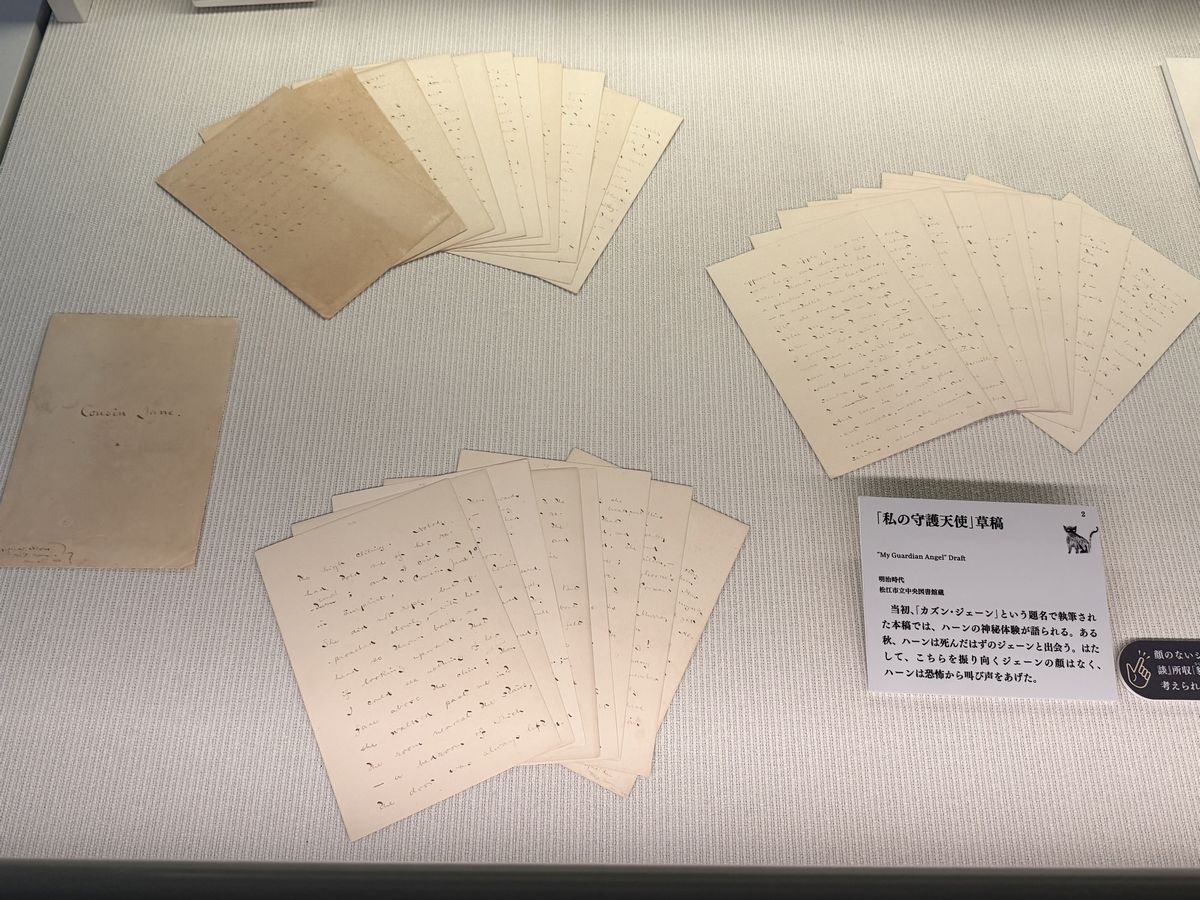
Chapter 1 is titled “Traveler to Another World: The Soaring White Heron.”Draft of “My Guardian Angel,” Meiji era, Matsue City Central Library collection
This is an exhibit of the draft for “My Guardian Angel.”
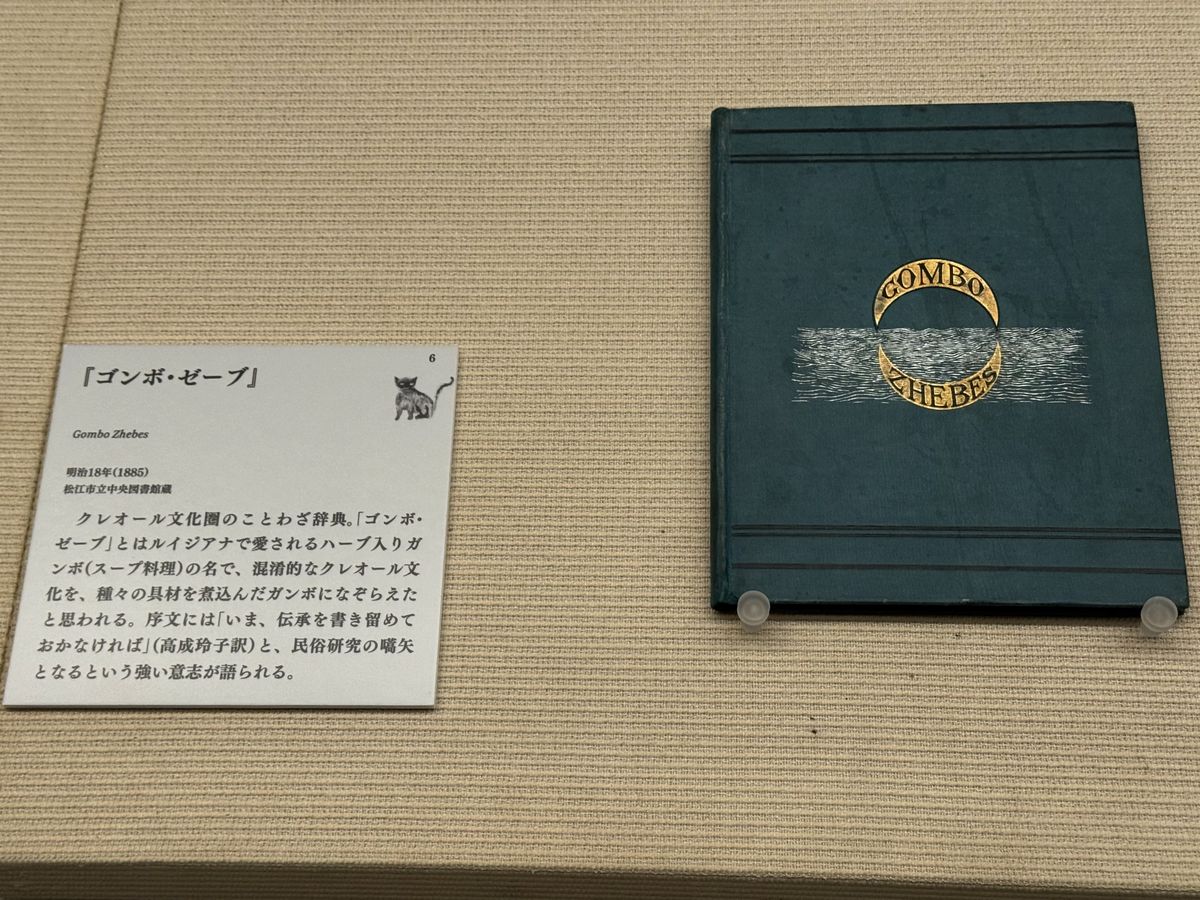
“Gombo Zhebes,” 1885, Matsue City Central Library collection
This is a work titled “Gombo Zhebes.”
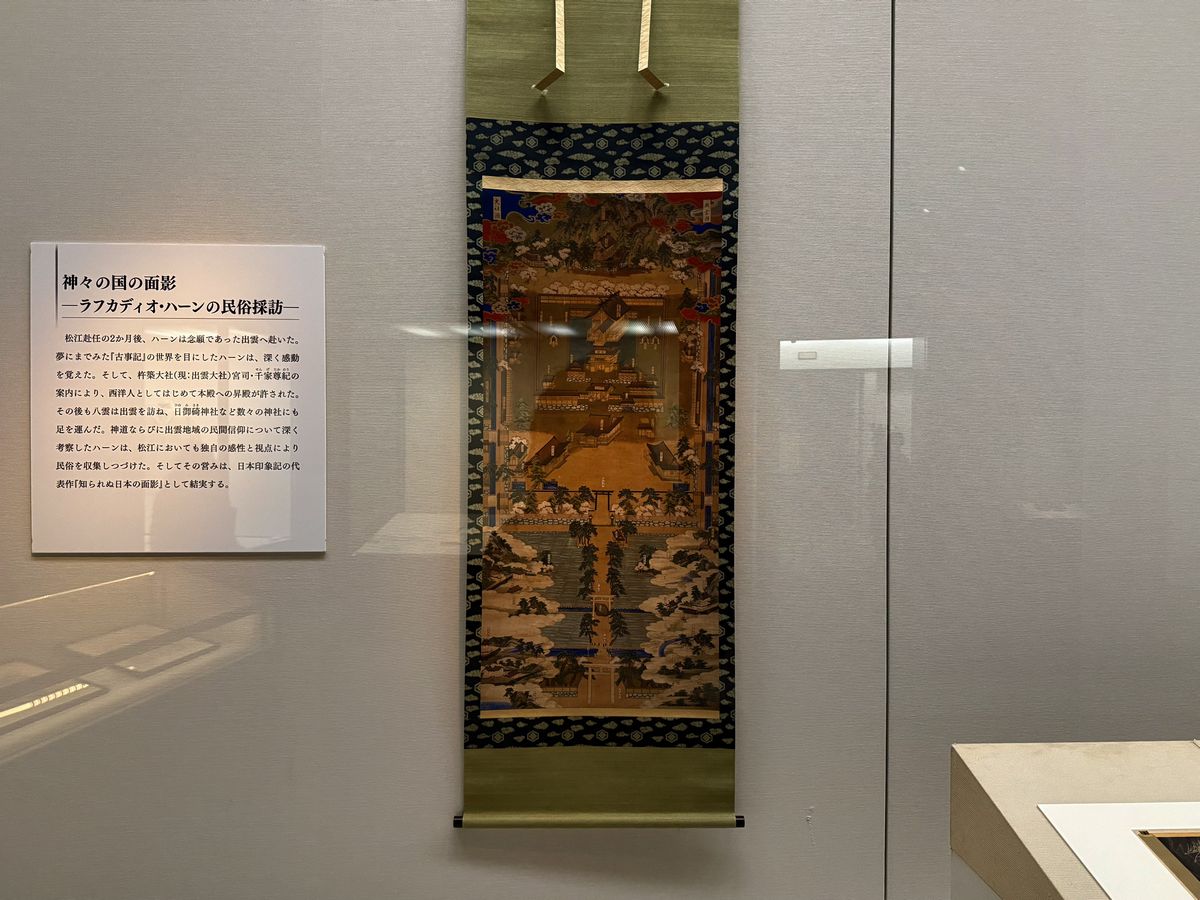
Chapter 2 is titled “To the Land of the Gods: Rebirth as Koizumi Yakumo.”Map of Izumo Grand Shrine, Edo period, Shimane Prefectural Ancient Izumo History Museum collection
This is a map of the Izumo Grand Shrine, a precinct map given to a wealthy man named Shigaku Tomiya of Iwami Province.
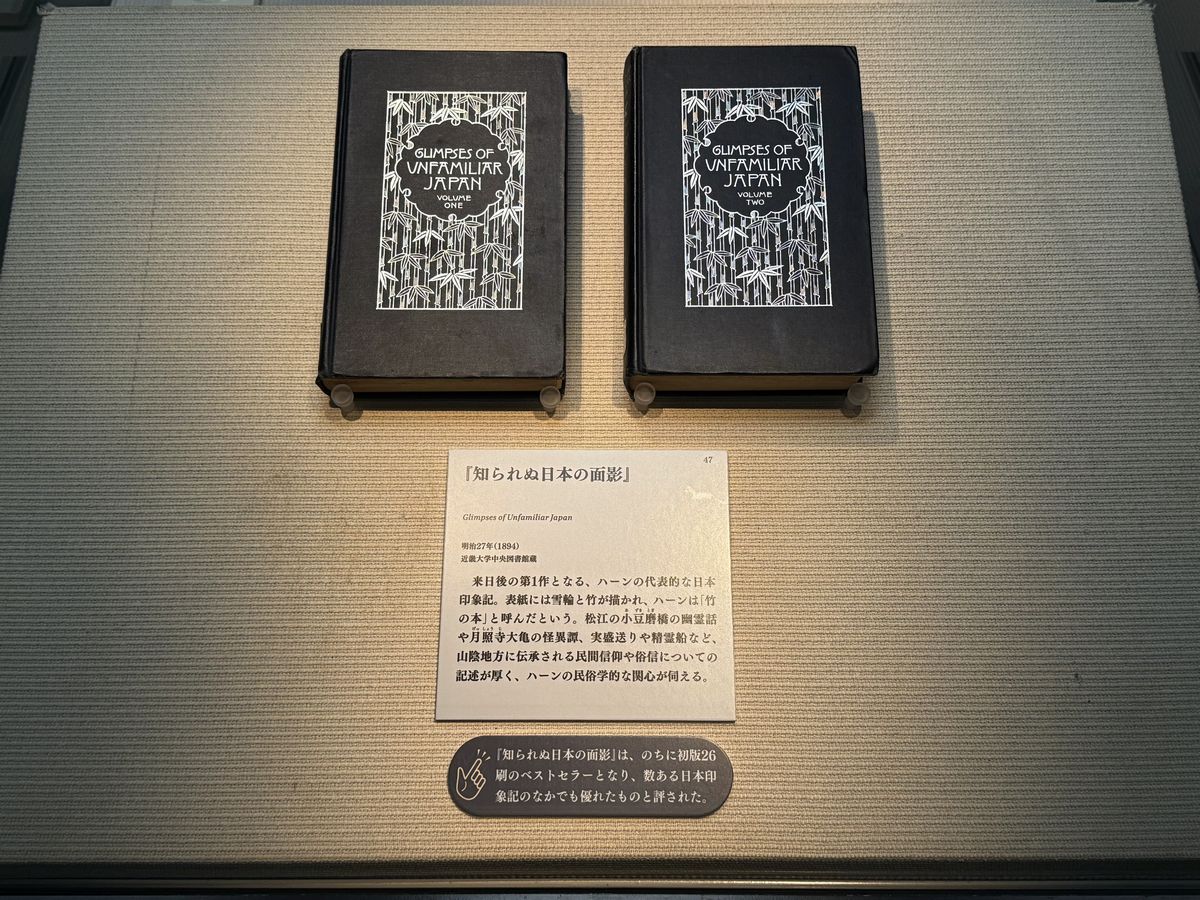
“Glimpses of Unfamiliar Japan,” 1894, Kinki University Central Library collection
This is a work titled “Glimpses of Unfamiliar Japan.”
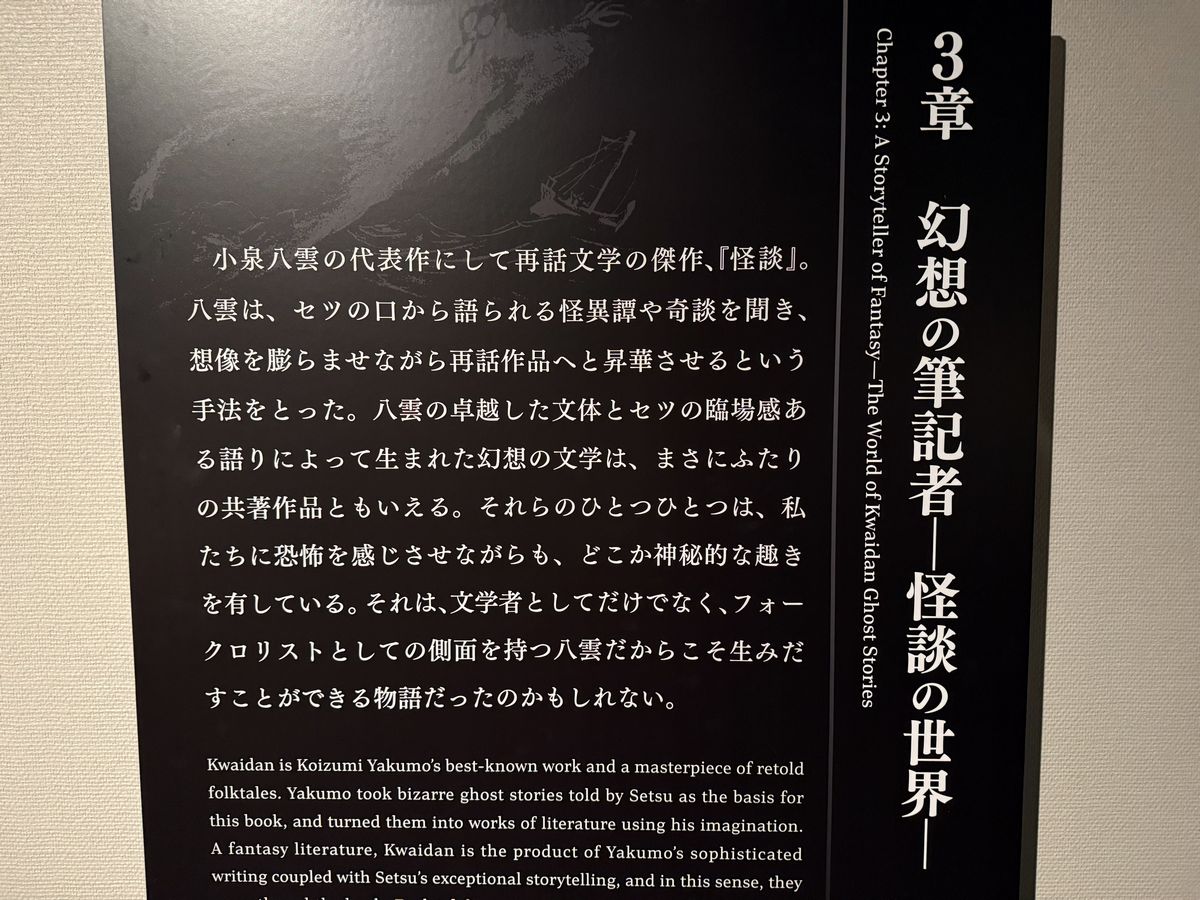
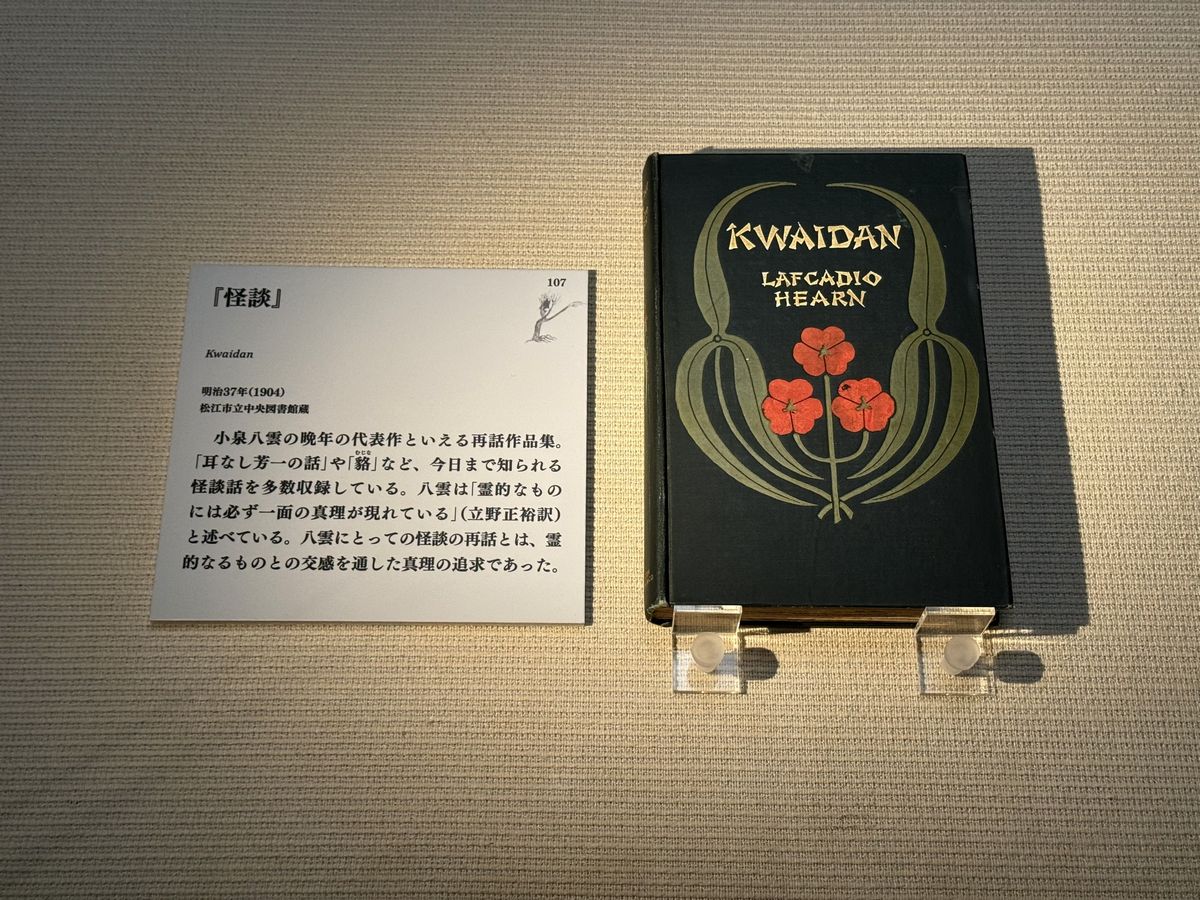
Chapter 3 is titled “The Scribe of Fantasy: The World of Ghost Stories.”“Kwaidan,” 1904, Matsue City Central Library collection
This is a work titled “Kwaidan,” a collection of retold stories that includes many ghost tales known to this day, considered a representative work of Koizumi Yakumo’s later years.
The Osaka Museum of History offers a captivating journey through the city’s past, from ancient times to the modern era. Housed in a striking modern building adjacent to Osaka Castle, the museum features detailed dioramas and exhibits that vividly recreate different historical periods, including the city’s role as a political and commercial hub. Its history is deeply connected to the castle grounds, where the museum’s location allows visitors to view the reconstructed castle while exploring the layers of Osaka’s development.
Matsue City Central Library
The Matsue City Central Library, located in Matsue, Shimane Prefecture, Japan, serves as a key cultural and educational hub for the community. Originally established in the early 20th century, it has undergone several renovations and expansions to modernize its facilities and collections. Today, it offers a wide range of resources, including local historical archives, and hosts various events to promote reading and lifelong learning.
Izumo Grand Shrine
The Izumo Grand Shrine (Izumo Taisha) is one of Japan’s oldest and most significant Shinto shrines, located in Shimane Prefecture. According to ancient mythology, it is dedicated to Ōkuninushi, the deity of marriage, good relationships, and land-building. The shrine’s history dates back over 1,000 years, and it is famous for its towering wooden architecture and the annual “Kamiari Festival,” when all Shinto gods are believed to gather there.
Shimane Prefectural Ancient Izumo History Museum
The Shimane Prefectural Ancient Izumo History Museum, located in Izumo City, explores the rich history and mythology of the ancient Izumo region, a key center of Japanese culture and Shinto belief. Its exhibits feature artifacts from the nearby Izumo Taisha shrine and the Kojiki (Records of Ancient Matters), highlighting the area’s role in early Japanese state formation and its legendary connections to deities like Okuninushi. The museum’s design, including its striking entrance, evokes the region’s ancient heritage and has become a cultural landmark in itself.
Kinki University Central Library
Kinki University Central Library, now known as Kindai University Central Library, is a landmark academic facility located in Higashiosaka, Osaka, Japan. Completed in 1967 and designed by renowned architect Kisho Kurokawa, the library is celebrated for its distinctive modernist architecture, featuring a dramatic overhanging roof and open, functional spaces. It has served as a vital hub for research and learning, reflecting the university’s growth since its founding in 1925.