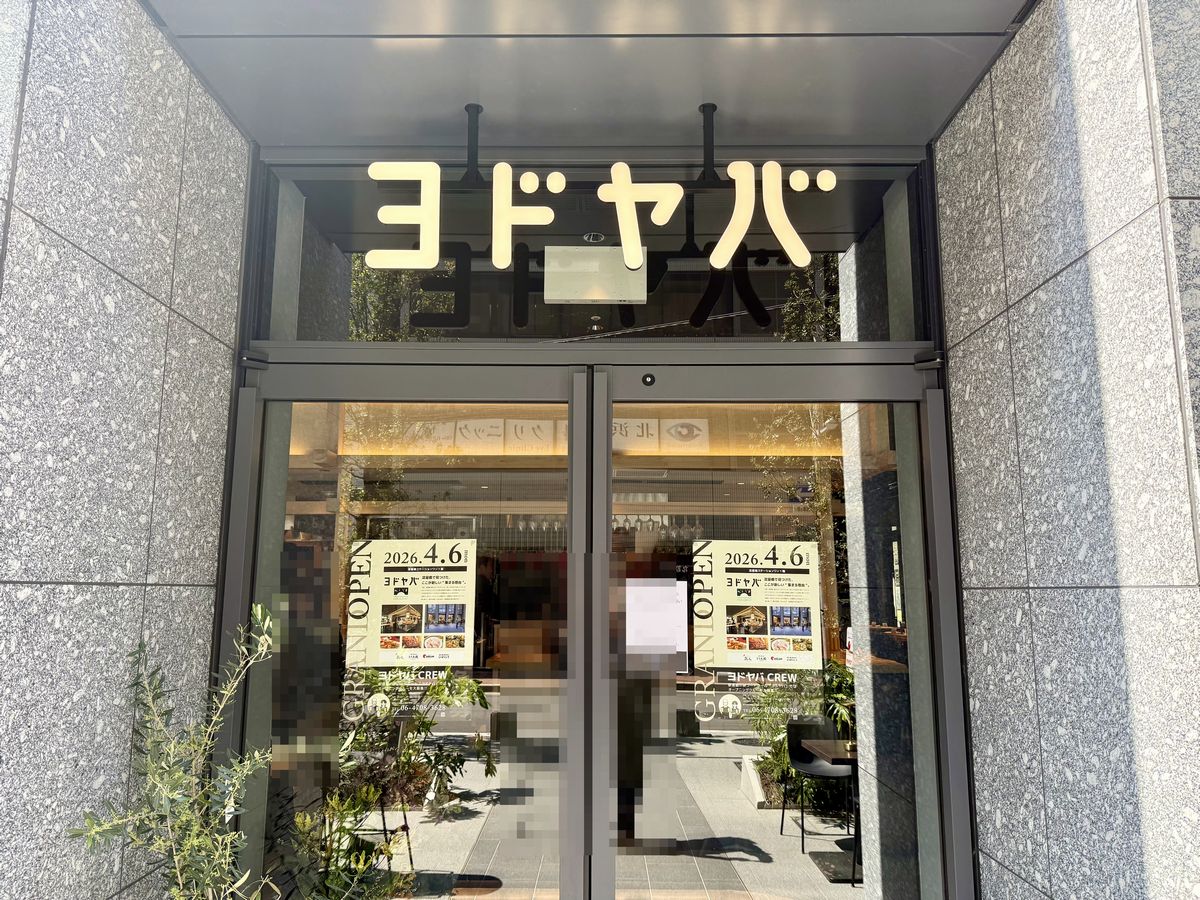
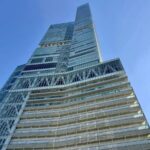
New food spot opens in Osaka’s Yodoyabashi area at Yodoyabashi Station One on April 6th.
There was a special opportunity to visit a pre-opening preview on the first floor of ‘Yodobashi Station One’ in Kita 3-chome, Higashi, Chuo-ku, Osaka!
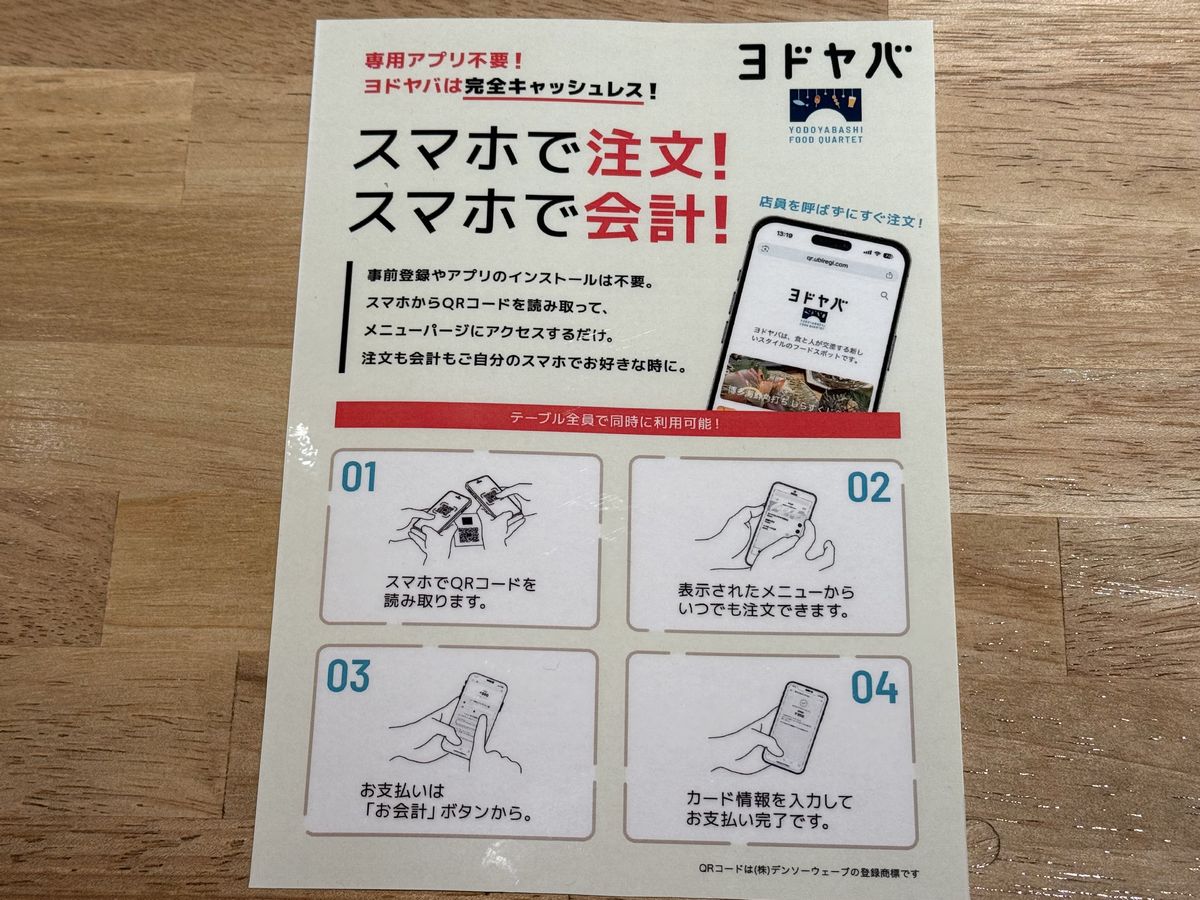
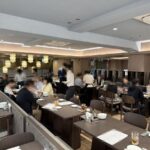
‘Yodoyaba’ is a full-service, cashless food spot where staff handle everything from seating to serving. It features four tenant shops: ‘Kushikatsu and Wine Agehachi’, ‘Charcoal-grilled Yakitori Torigorou’, ‘Cured Ham, Raw Oysters, and Draft Beer BAKKANO’, and ‘Seafood Standing Bar Shirasukujira’.
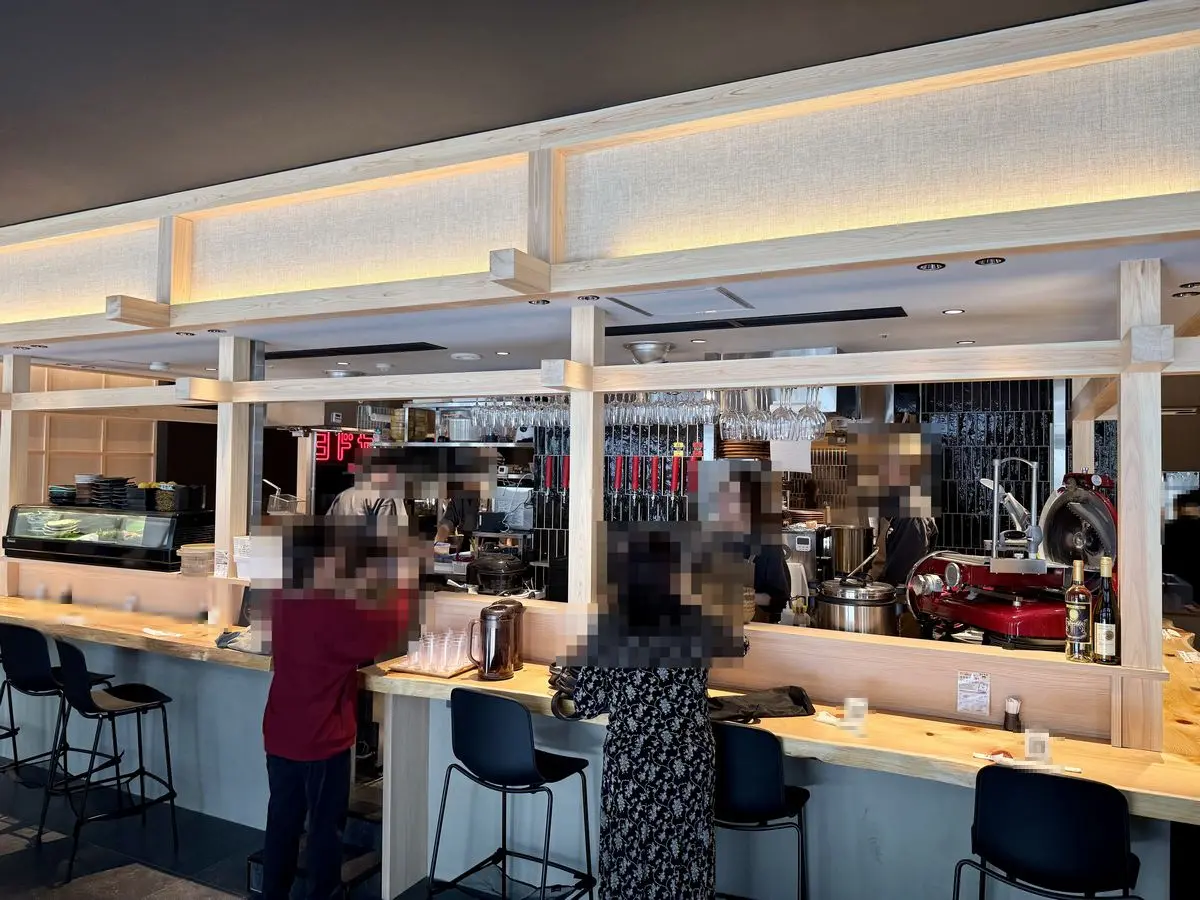
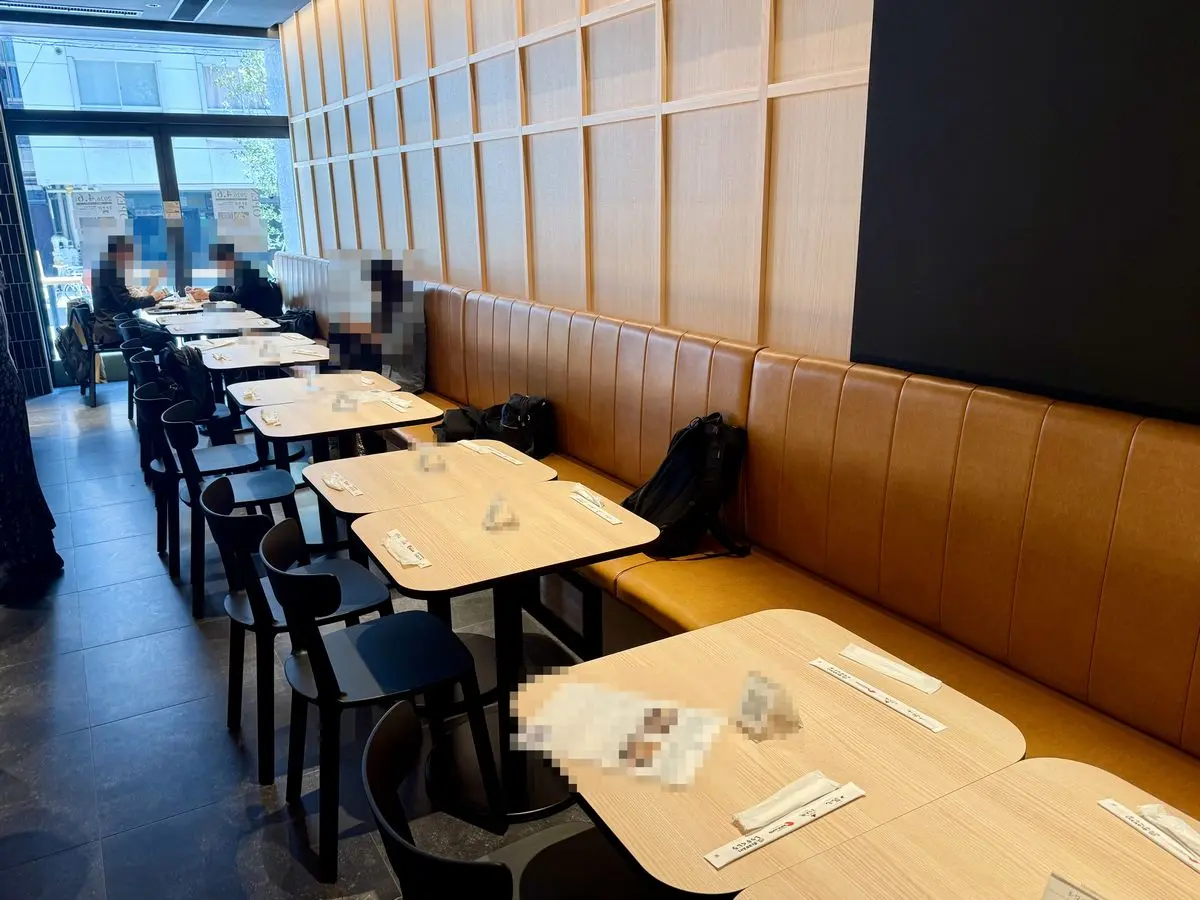
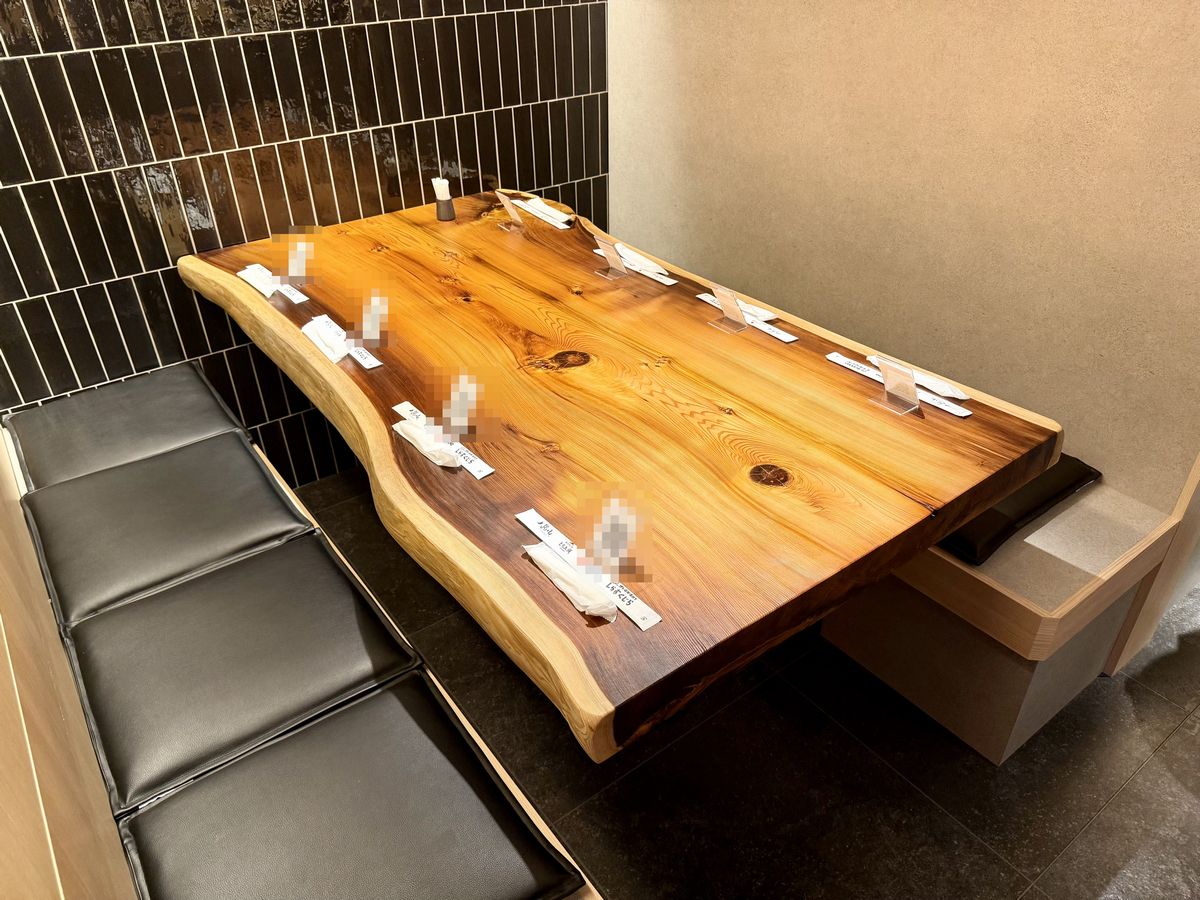
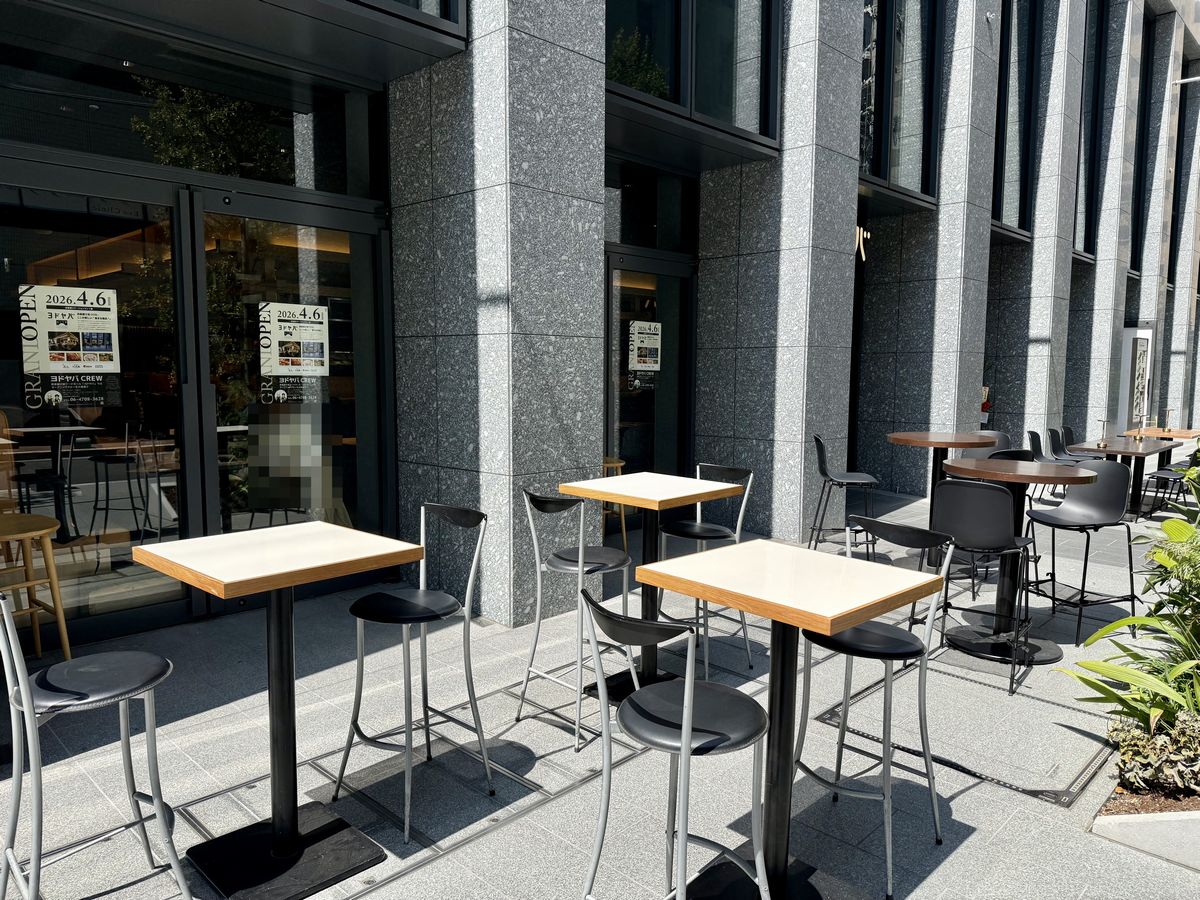
The kitchen is located in the center of the shop, surrounded by counter seats.There are also plenty of table seats.Larger table seating is also available here.Additionally, there is terrace seating outside the shop.
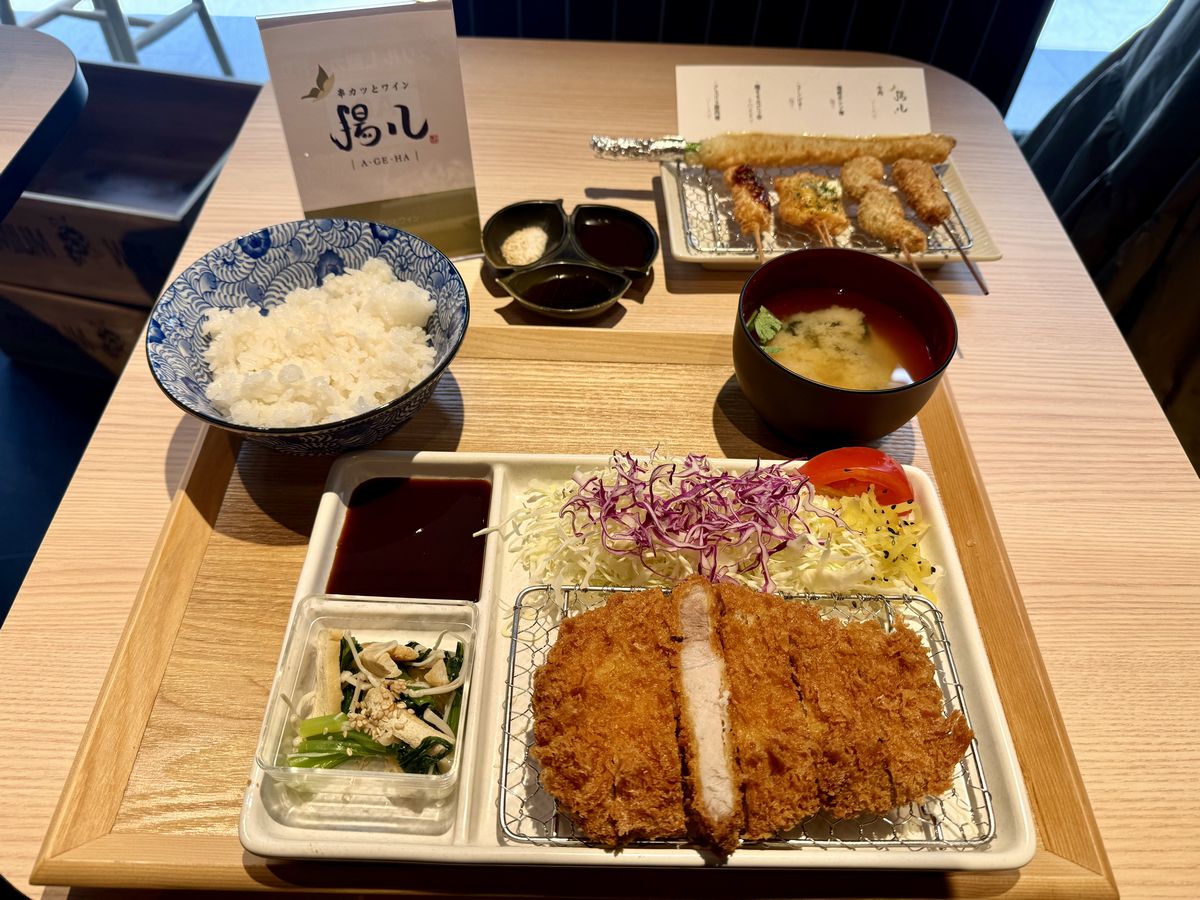
At ‘Kushikatsu and Wine Agehachi’, you can enjoy fried dishes with a light, fluffy texture, made using carefully blended oil and original breadcrumbs.
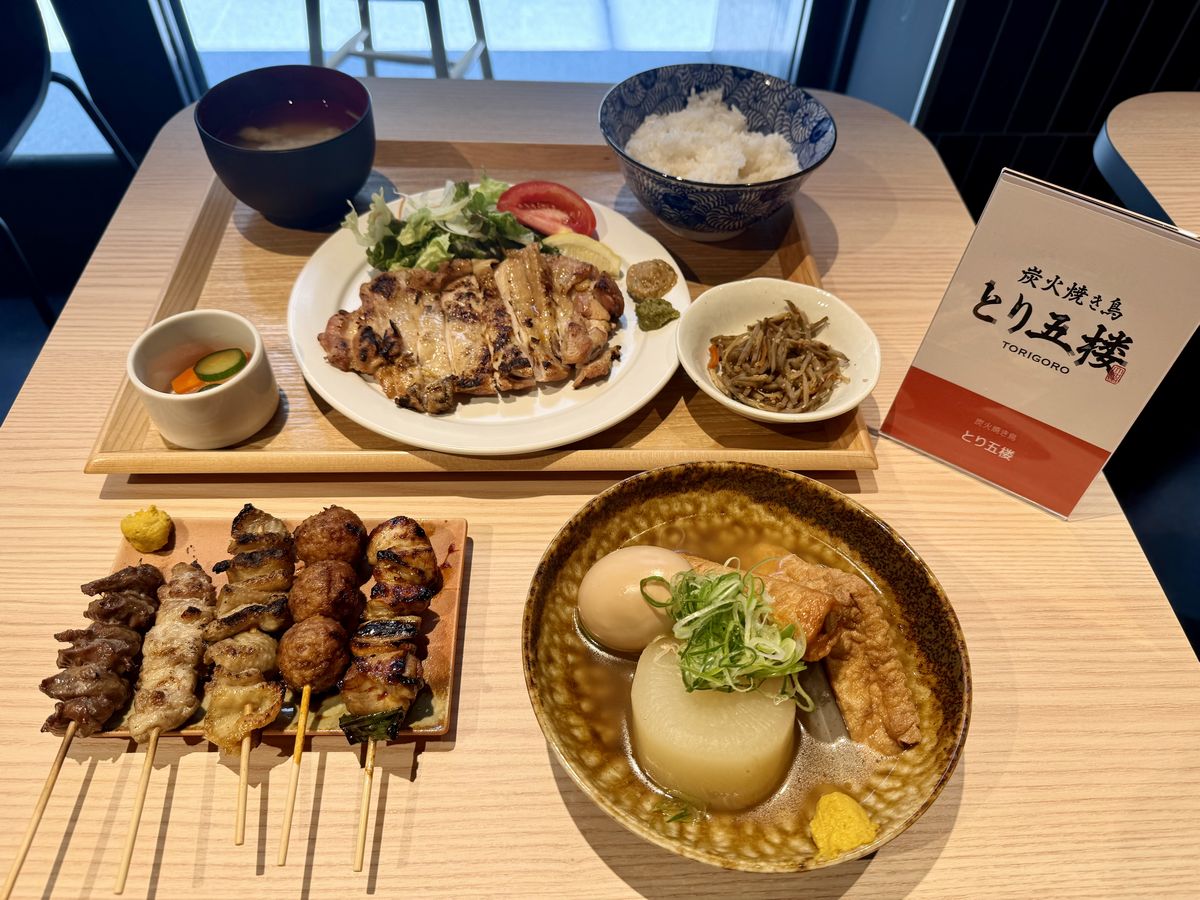
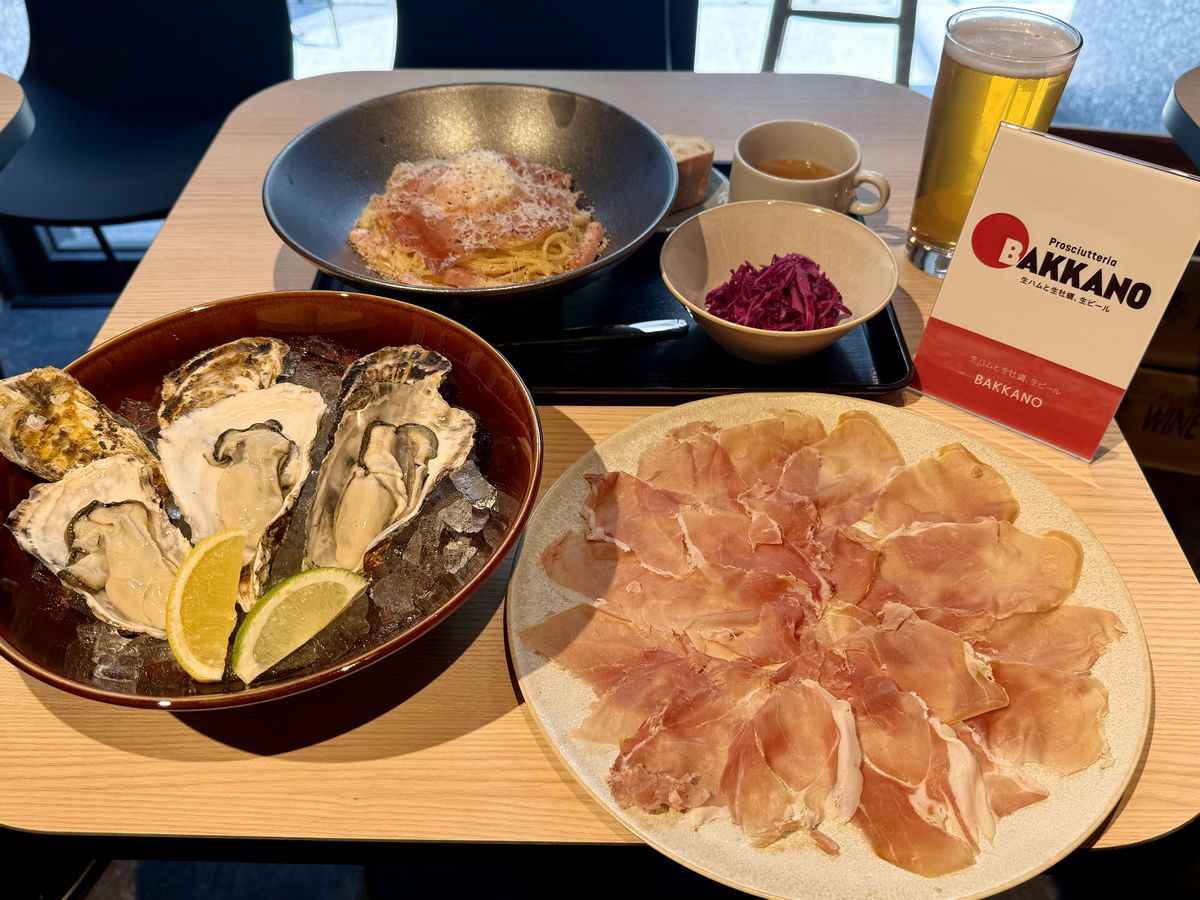
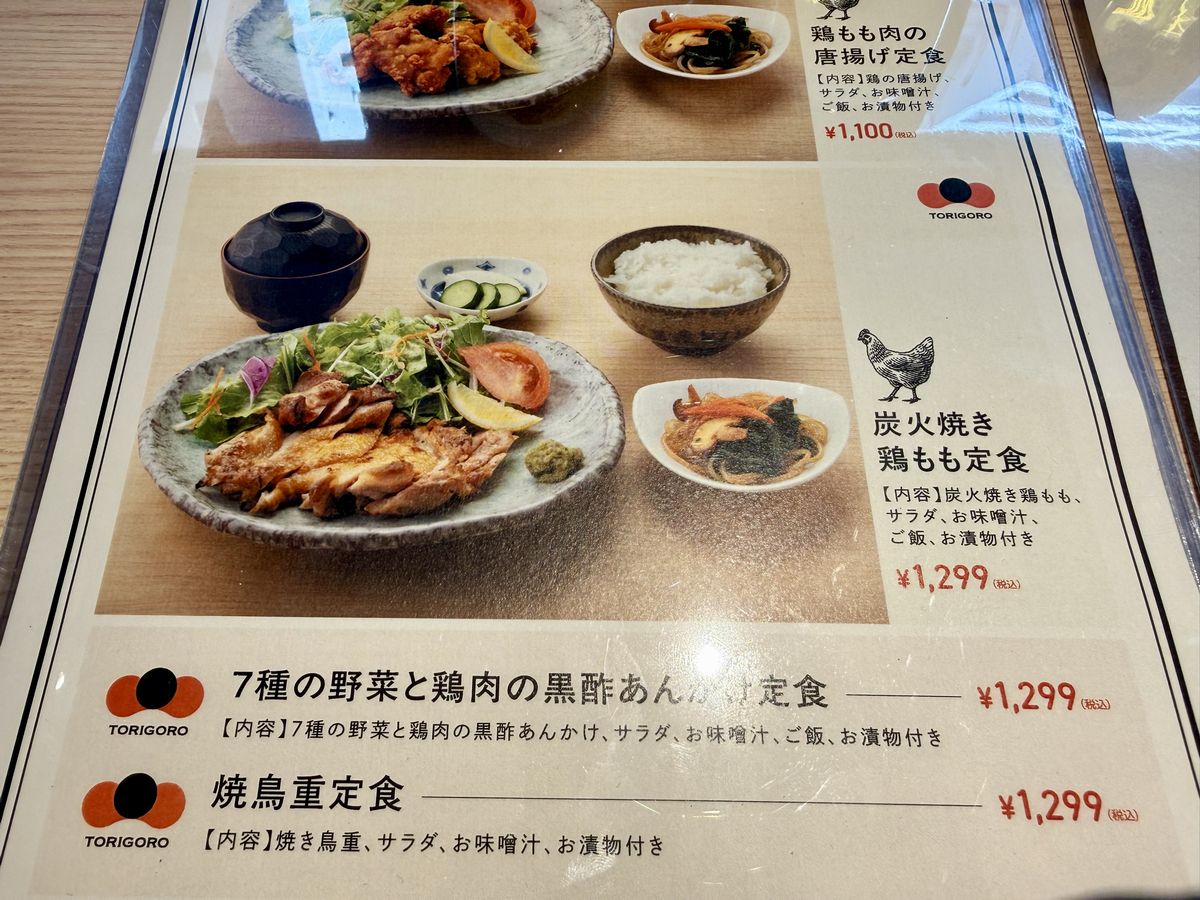
At ‘Charcoal-grilled Yakitori Torigorou’, you can enjoy yakitori and various chicken dishes made with juicy and flavorful ‘Oyama chicken’.At ‘Cured Ham, Raw Oysters, and Draft Beer BAKKANO’, you can enjoy casual Italian menus featuring thinly sliced cured ham and oyster dishes sourced from all over Japan.
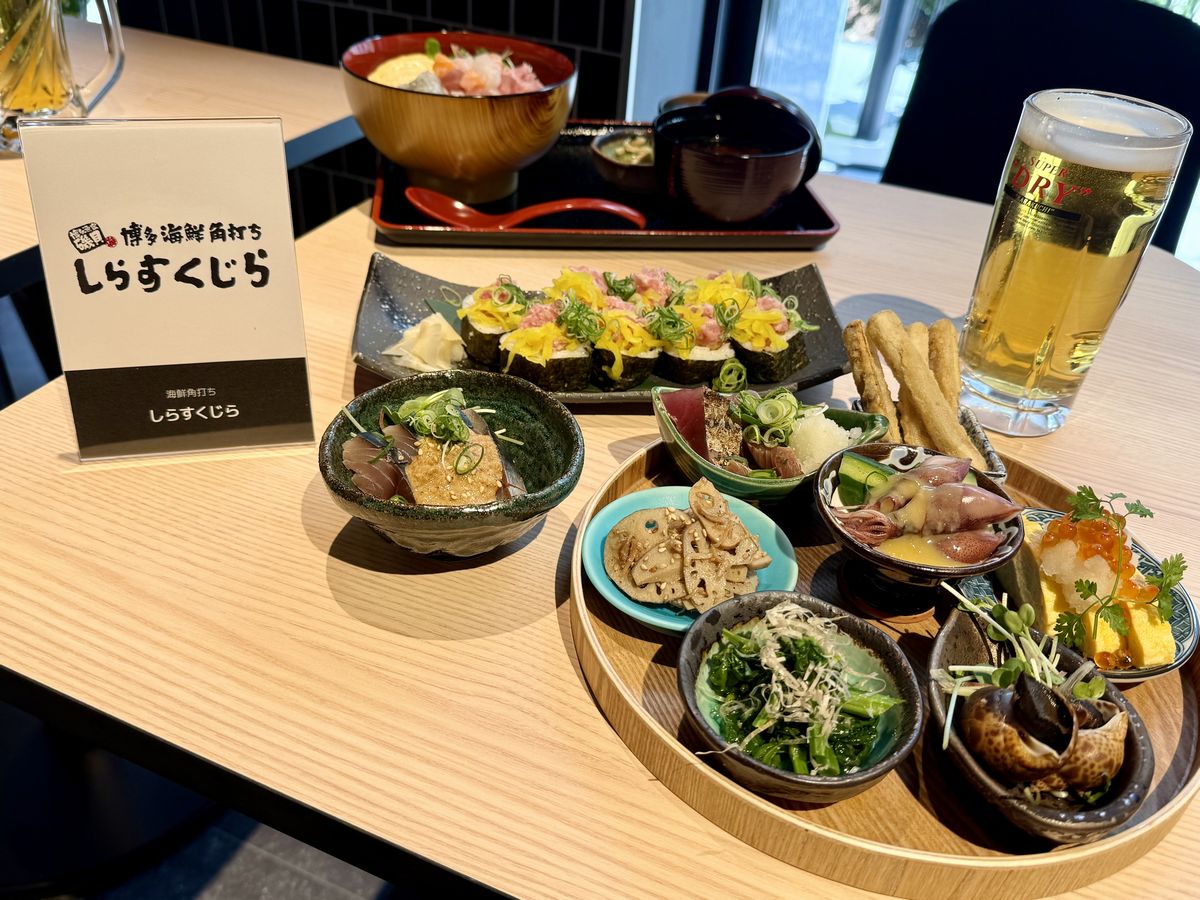
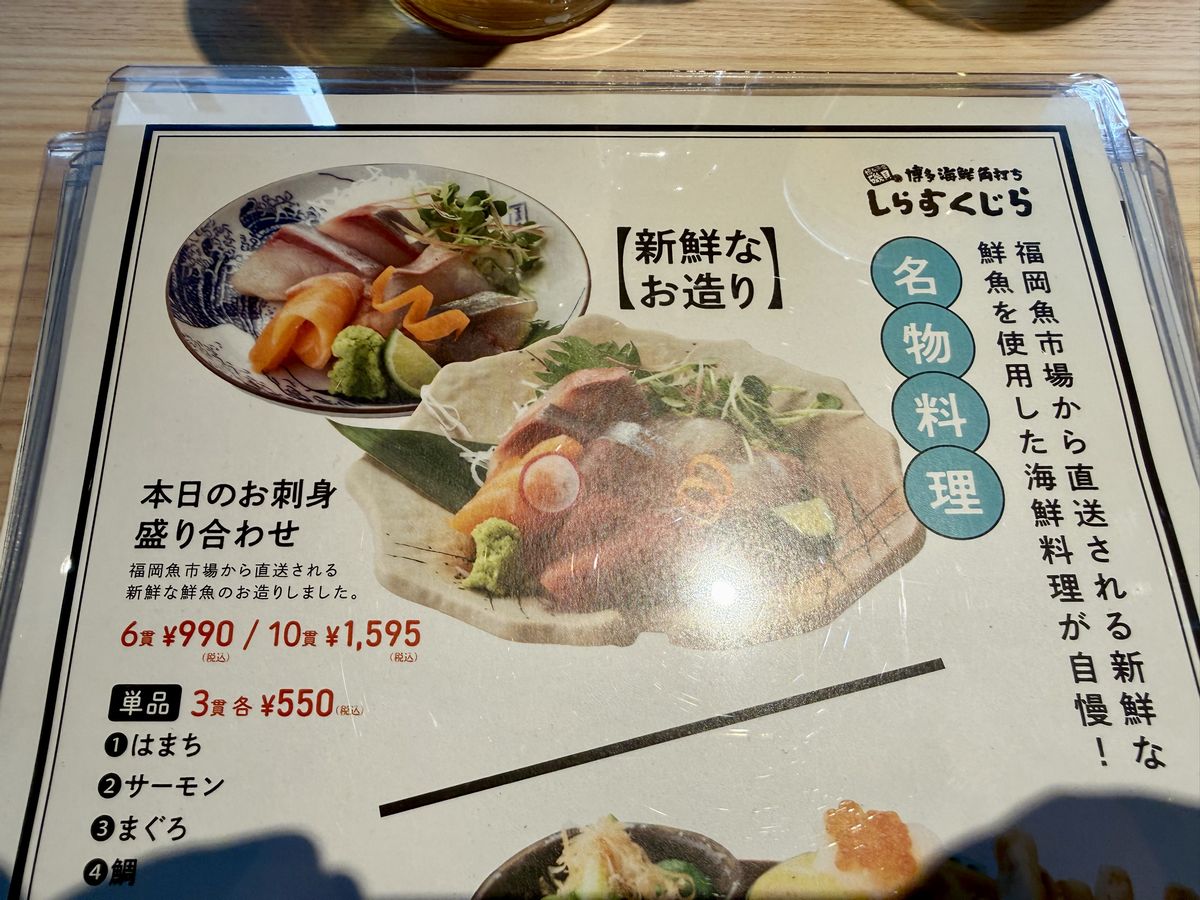
At ‘Seafood Standing Bar Shirasukujira’, you can enjoy a wide variety of fish dishes such as sashimi, tempura, and sushi made with abundant seasonal seafood.
The ordering system involves scanning a QR code at your seat with your smartphone to place orders, and payment is also handled cashlessly via smartphone.This time, the ‘Charcoal-grilled Chicken Thigh Set Meal’ from ‘Charcoal-grilled Yakitori Torigorou’ was ordered.
“Yodobashi Station One” is not a historical cultural site, but a large, modern electronics and department store complex located near Shinjuku Station in Tokyo, Japan. It is part of the Yodobashi Camera chain, which originated in 1960 as a small camera shop. The Shinjuku location is famous for its immense size and vast selection of consumer goods, representing Japan’s prominent contemporary retail culture.
Kushikatsu and Wine Agehachi
“Kushikatsu and Wine Agehachi” is a popular restaurant in Osaka, Japan, specializing in *kushikatsu*—a local street food of deep-fried, skewered meat and vegetables. While the specific history of this establishment is not widely documented, it represents the modern evolution of Osaka’s iconic *kushikatsu* culture, uniquely pairing the casual, traditional dish with a curated selection of wine.
Charcoal-grilled Yakitori Torigorou
“Charcoal-grilled Yakitori Torigorou” is a renowned yakitori restaurant in Tokyo, Japan, celebrated for its mastery of grilling skewered chicken over traditional binchōtan charcoal. While its specific founding history is not widely documented, it exemplifies the post-war evolution of yakitori from a casual street food to a refined culinary art form in specialized restaurants. The establishment is famous for its precise technique and high-quality ingredients, offering a quintessential taste of this deeply rooted Japanese dining tradition.
Cured Ham, Raw Oysters, and Draft Beer BAKKANO
BAKKANO is a popular standing bar and izakaya located in the lively Ameyoko market district of Tokyo, Japan. It is celebrated for its simple, high-quality pairing of **cured ham (prosciutto), raw oysters, and draft beer**, offering a unique and convivial dining experience. While the establishment itself is a modern fixture, its location in the historic, post-war black market area of Ueno connects it to Tokyo’s vibrant and evolving street food culture.
Seafood Standing Bar Shirasukujira
“Seafood Standing Bar Shirasukujira” is a popular standing-style sushi and seafood bar located in the Tsukiji Outer Market area of Tokyo, Japan. It is known for serving extremely fresh, affordable seafood—often sourced from the nearby former Tsukiji wholesale market—in a casual, bustling atmosphere typical of the market’s food stalls. While the bar itself is a modern establishment catering to tourists and locals, its history and identity are deeply connected to the decades-old Tsukiji market culture, which was the world’s largest fish market until its relocation in 2018.