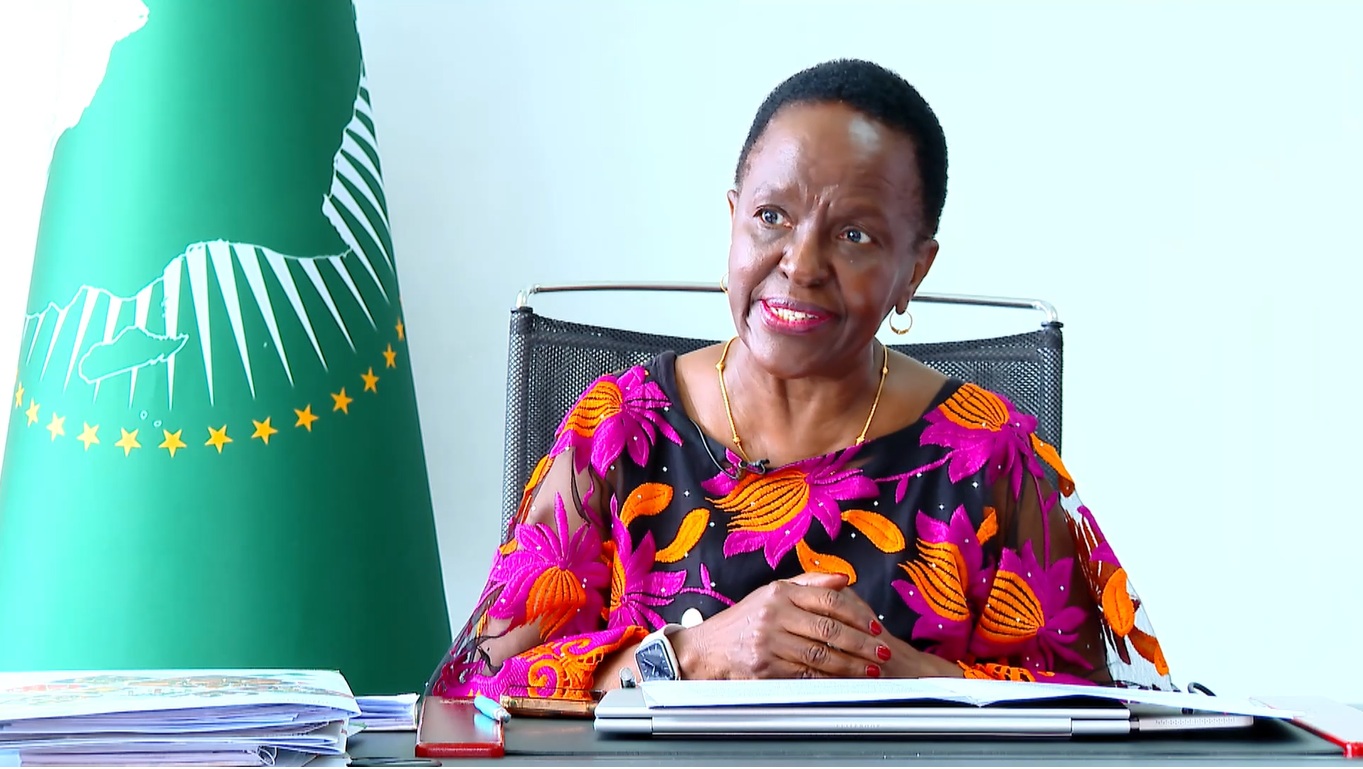
In an interview, the African Union’s Special Envoy for Women, Peace, and Security emphasized that women’s participation is crucial to ensuring peaceful, fair, and inclusive elections.
She stated: “In most African countries, women constitute the majority, and they often stand in long lines carrying their children on their backs just to cast their votes. Their voice is strong, and their voice matters.”
Ethiopia has achieved notable steps in promoting gender equality in leadership positions since 2018, when comprehensive reforms introduced a gender-balanced government.
Since then, women have assumed some of the most influential positions in various state institutions, indicating a significant shift towards inclusivity.
The envoy reaffirmed the African Union’s commitment to supporting the democratic process in Ethiopia, stressing the importance of ensuring free, fair, and peaceful elections.
She said: “The African Union is here to ensure elections are conducted in a manner that enables citizens to exercise their rights freely.”
In addition to voting, the envoy encouraged Ethiopian women to actively pursue leadership roles, highlighting the unique contributions women make to governance.
According to the envoy, increasing women’s participation at all levels of the electoral process will not only enhance democratic stability but also promote peace and accelerate national development.