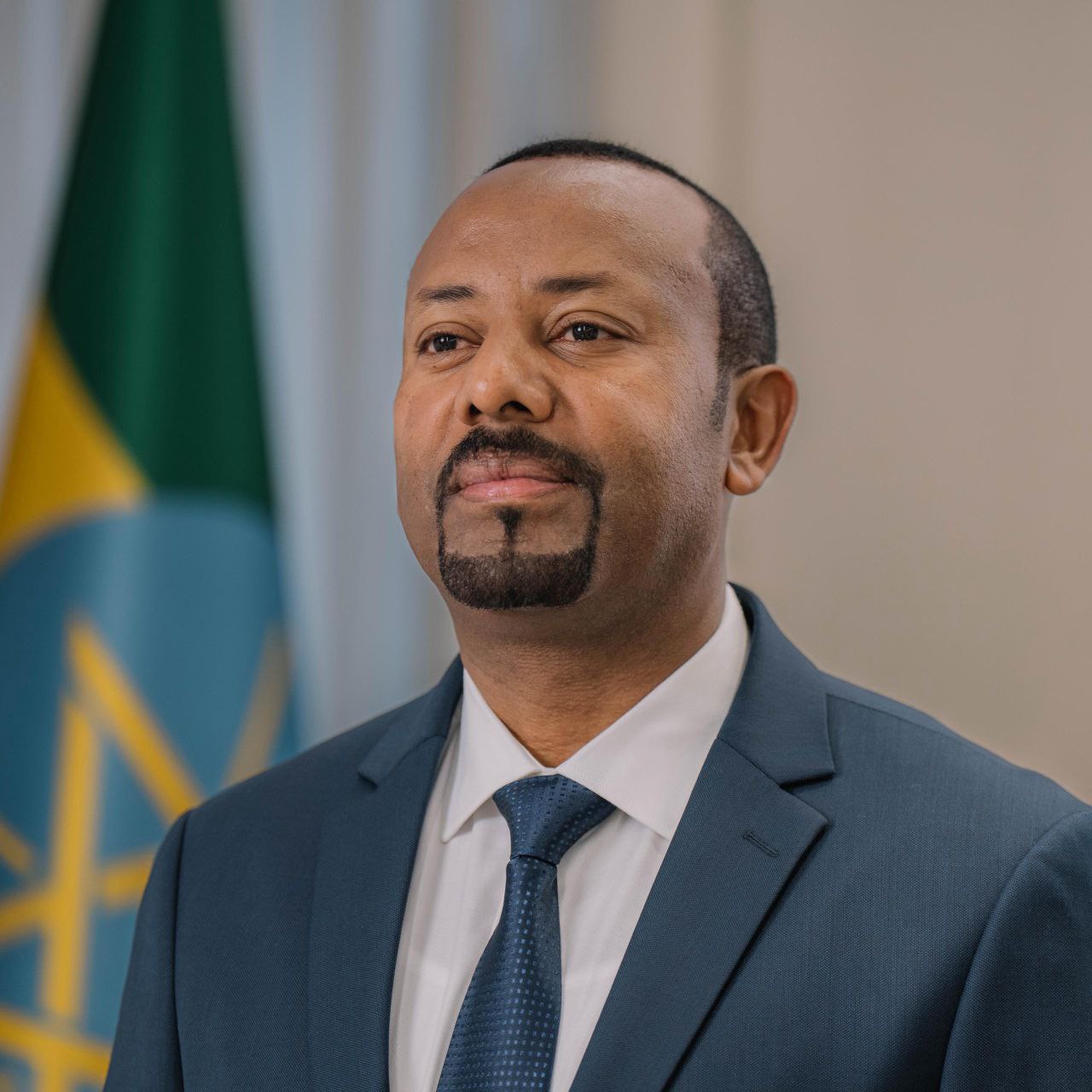
Ethiopian Prime Minister congratulates Muslims on the arrival of Ramadan.
The Ethiopian Prime Minister congratulated the Islamic nation at home and abroad on the occasion of the holy month of Ramadan, affirming in an official message that Ethiopia remains a “beacon of coexistence and an extended hand for peace.”
In his congratulations, the Prime Minister recalled Ethiopia’s historical status as the “land of the two migrations and fulfillment,” noting that it is the “first sanctuary that sheltered the truth” and that the Prophet Muhammad, peace be upon him, testified that it is a “land of truth where no one is wronged.” He added that his country has proven to the world over 14 centuries that “justice and fulfillment have no nationality or borders.”
The Ethiopian Prime Minister affirmed Ethiopia’s commitment to the principles of justice and regional cooperation in managing its water resources, especially the Nile River.
He stated that the great Nile is a “divine gift from which all should drink with justice and equality,” indicating that Ethiopia’s pursuit of development through water resources does not diminish the rights of any neighboring country, but aims to enhance cooperation and achieve sustainable development.
He added that Ethiopia harbors no geographical ambitions nor seeks to threaten the security of its neighbors, and that the nation’s renaissance is based on justice, equality, and regional integration.
The Prime Minister touched upon Ethiopia’s efforts to secure peaceful sea access, confirming that this step is “peaceful and necessary,” and aims for partnership and regional growth without infringing on the sovereignty of other states.
He reaffirmed in his message that Ethiopia will remain a “beacon of coexistence and an extended hand for peace,” and that the country’s prosperity represents part of the prosperity of the entire region, emphasizing Addis Ababa’s commitment to the responsible management of water resources.
He concluded his message with a prayer that God bless the steps of “those striving for development, prosperity, and peace.”
Ramadan
“Ramadan” is not a specific place or cultural site, but rather the ninth month of the Islamic lunar calendar, observed by Muslims worldwide as a holy period of fasting, prayer, reflection, and community. Its history dates to 624 CE when, according to Islamic tradition, the first verses of the Quran were revealed to the Prophet Muhammad during this month. The observance commemorates this revelation and is one of the Five Pillars of Islam.
Ethiopia
Ethiopia is a historically rich nation in the Horn of Africa, widely recognized as one of the world’s oldest countries and the only African nation to never be fully colonized. It is home to ancient sites like the rock-hewn churches of Lalibela and the ruins of Aksum, which was a major empire from the 1st to the 8th centuries. The country also has deep cultural traditions, including the Ethiopian Orthodox Church, and is considered a potential place of origin for humanity, evidenced by the discovery of the ancient hominid “Lucy.”
Prophet Muhammad
Prophet Muhammad is not a place or cultural site, but the central human figure of Islam, believed by Muslims to be the final messenger of God (Allah). He was born in Mecca around 570 CE and his life, teachings, and the revelations he received form the foundation of the Islamic faith and civilization. Key historical sites associated with his life include the cities of Mecca and Medina in present-day Saudi Arabia.
Nile River
The Nile River is the world’s longest river, flowing over 6,650 kilometers through northeastern Africa. Historically, it was the lifeblood of ancient Egyptian civilization, with its predictable annual floods depositing fertile silt that allowed agriculture to flourish along its banks for millennia. Today, it remains a vital freshwater source and economic artery for multiple countries, most notably Egypt and Sudan.
Addis Ababa
Addis Ababa is the capital and largest city of Ethiopia, founded in 1886 by Emperor Menelik II. It serves as the political and diplomatic heart of Africa, hosting the headquarters of the African Union and the United Nations Economic Commission for Africa. The city’s history is reflected in sites like the National Museum, home to the fossil “Lucy,” and Holy Trinity Cathedral.