Krisis Gizi Sekolah: Menu MBG “Keripik Tempe-Kacang” di Ciseeng Viral, Dinkes Bogor dan BGN Turun Tangan
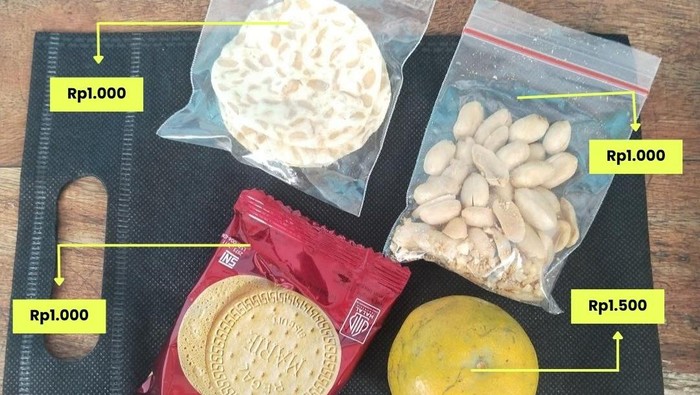
Depok – The Bogor Regency Health Office has moved quickly to address the uproar caused by a Free Nutritious Meal (MBG) menu at a junior high school in the Ciseeng area, which was reported to consist only of tempeh chips, peanuts, and biscuits. Following the viral spread of this menu, whose nutritional adequacy was questioned, a comprehensive evaluation of the Nutrition Service Fulfillment Unit (SPPG) was immediately launched.
The Head of the Bogor Regency Health Office confirmed that a team from the local Community Health Center has been deployed to investigate the case.
“The Health Office has deployed a team from the local Community Health Center to conduct a case investigation, and will subsequently provide guidance and evaluation at that SPPG kitchen,” the official stated.
The Health Office will ensure the SPPG’s compliance with procedures and nutritional standards. Furthermore, the Health Office will coordinate with the SPPG’s nutritionist team to review the menu cycle. The menus served must meet macro and micro nutrient needs, while also considering the aspect of acceptability to ensure the food is not wasted by the children.
Threat of Sanctions from the National Nutrition Agency (BGN)
The National Nutrition Agency (BGN) has also spoken up, ensuring strict oversight. The Deputy Head of the BGN emphasized that any menu assessed as not meeting nutritional standards will be checked directly in the field.
If it is factually proven that the menu only contained tempeh chips, peanuts, biscuits, and one orange, then the head of the SPPG and the related nutritionist will receive a reprimand and have it noted.
The official added that there is a tiered sanction system:
First Reprimand: Issued if the menu does not meet nutritional standards.
Second Reprimand and HR Evaluation: Issued if the SPPG repeats the same mistake. The Human Resources and Organization Bureau will be involved to conduct a comprehensive evaluation.
This step demonstrates the government’s seriousness in maintaining the quality and standards of the MBG program in the field.
Depok
Depok is a city in West Java, Indonesia, originally established in the 17th century as a private agricultural settlement by Cornelis Chastelein, a Dutch East India Company official. Historically significant for its early Christian community and unique social structure, it has transformed from a quiet town into a major university city and bustling residential hub south of Jakarta.
Bogor Regency
Bogor Regency is a region in West Java, Indonesia, renowned for its lush highland scenery and the historic Bogor Botanical Gardens, which were established by the Dutch colonial government in 1817. The area has a long history as part of the Sundanese Kingdom of Pajajaran, with its capital, Pakuan Pajajaran, once located near modern-day Bogor City. Today, it remains a major agricultural and tourism center, famous for its cool climate and tea plantations.
Ciseeng
Ciseeng is a small town in Bogor Regency, West Java, Indonesia, best known for its **Ciseeng Hot Spring (Pemandian Air Panas Ciseeng)**. The site’s geothermal waters, believed to have healing properties, have been used by locals for generations and are associated with the historical Sundanese Kingdom of Pajajaran. Today, it is a popular public bathing and recreational destination.
Nutrition Service Fulfillment Unit (SPPG)
Based on the name, the “Nutrition Service Fulfillment Unit (SPPG)” appears to be a modern administrative or logistical facility, likely within a healthcare, military, or institutional system, rather than a traditional cultural or historical site. Therefore, it does not have a public history for summary. Its primary function is presumably the distribution or management of nutritional supplies and services to a specific population.
National Nutrition Agency (BGN)
The National Nutrition Agency (BGN), or *Badan Gizi Nasional*, is an Indonesian government institution established to address malnutrition and improve public health through nutrition policies and programs. It was officially formed in 2023, consolidating various national nutrition efforts to tackle stunting and other diet-related health challenges across the archipelago.
Human Resources and Organization Bureau
The Human Resources and Organization Bureau is not a specific historical or cultural site, but rather a common administrative department within governments or large institutions. Its history is tied to the development of modern public administration and corporate management in the 20th century, focusing on personnel management, bureaucratic structure, and workforce efficiency. Therefore, it does not have a singular historical narrative or cultural significance like a monument or traditional heritage site.
MBG program
The “MBG program” refers to the **Museum of Fine Arts, Boston’s (MFA) Multicultural Audience Development Initiative**, a community-focused effort launched in the late 1980s. Its history is rooted in making the museum’s collections and programs more accessible and relevant to Boston’s diverse populations, particularly communities of color. The initiative has involved collaborative exhibitions, educational outreach, and fellowship programs to foster greater inclusion and dialogue.
Community Health Center
A Community Health Center is a local, non-profit medical facility that provides accessible primary care and preventive services, often to underserved populations. The model originated in the United States during the 1960s as part of the “War on Poverty,” with the first centers opening in Boston and rural Mississippi to address stark healthcare disparities. Today, they remain vital institutions focused on community-based, affordable care for all, regardless of ability to pay.