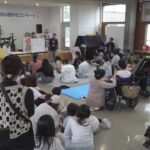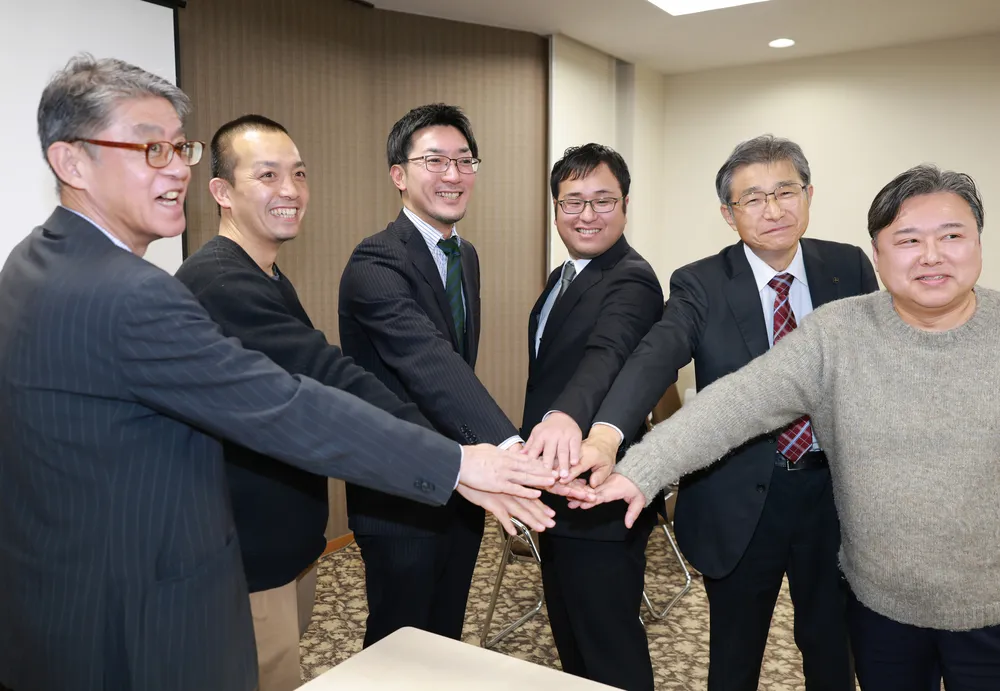
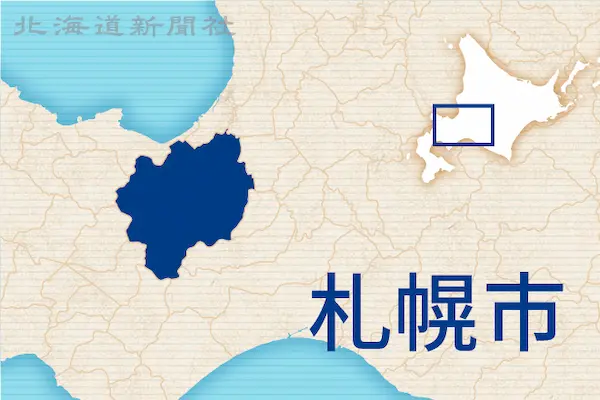
The inauguration ceremony for “Sosei East Link,” a voluntary organization where businesses and residents in the area east of the Sosei River in central Sapporo (Sosei East) aim to collaborate on community development, was held at the Hokkaido Jingu Tongu in Chuo Ward, Sapporo. Approximately 60 people attended, confirming the policy to strengthen connections among people involved with Sosei East and advance the development of the area….
Sosei East Link
The Sosei East Link is a modern underground pedestrian walkway in Sapporo, Japan, opened in 2003. It was built to connect the city’s major transportation hubs, Sapporo Station and Odori Park, providing a climate-protected route for commuters and shoppers. The walkway is part of the city’s extensive underground network, which was significantly developed in preparation for the 1972 Winter Olympics.
Sosei River
The Sosei River is a short, man-made waterway in central Sapporo, Japan, constructed in the late 19th century as part of the city’s early flood control and urban planning under the guidance of American advisors. Today, it is a scenic linear park and popular walking route, lined with cherry trees that offer a famous springtime blossom display, seamlessly blending the city’s historical development with modern recreation.
Sapporo
Sapporo is the capital of Japan’s northern island of Hokkaido, founded in 1868 as a planned modern city during the Meiji era’s development of the region. It is now internationally famous for hosting the 1972 Winter Olympics and its annual Sapporo Snow Festival, which began in 1950. The city’s history is also closely tied to its beer brewing industry, with the Sapporo Beer Museum marking the site of one of Japan’s oldest breweries, established in 1876.
Hokkaido Jingu Tongu
Hokkaido Jingu Tongu is a sub-shrine (or “tongu”) of the Hokkaido Jingu, located in the Maruyama area of Sapporo. It was established in 1916 to enshrine the pioneering deities who contributed to Hokkaido’s development, serving as a branch for easier local worship. Today, it remains a serene spiritual site within Maruyama Park, closely associated with the main shrine’s history.
Chuo Ward
Chuo Ward is one of Tokyo’s 23 special wards, located at the heart of the city and known as its primary commercial and financial center. Historically, it encompasses areas like Ginza and Nihonbashi, which have been vital mercantile districts since the Edo Period (1603-1868), with Nihonbashi bridge serving as the origin point for Japan’s historic highway network. Today, it is a dynamic blend of luxury shopping, historic temples, and modern skyscrapers.