Can Gio advances through major infrastructure projects.
The 51st anniversary of national reunification and the 50th anniversary of the city bearing the name of President Ho Chi Minh also mark a time when Can Gio is changing day by day, with many mega-projects transforming this area from a dead end into a central infrastructure hub of Ho Chi Minh City.
From a land associated only with mangrove forests, Binh Khanh ferry, and vehicles winding along Rung Sac Road, it is now undergoing a strong transformation as many large-scale projects are being constructed.
Along with the orientation for marine economic development, this area, once considered an “urban fringe,” is now becoming a region with great potential for breakthroughs in the coming years.
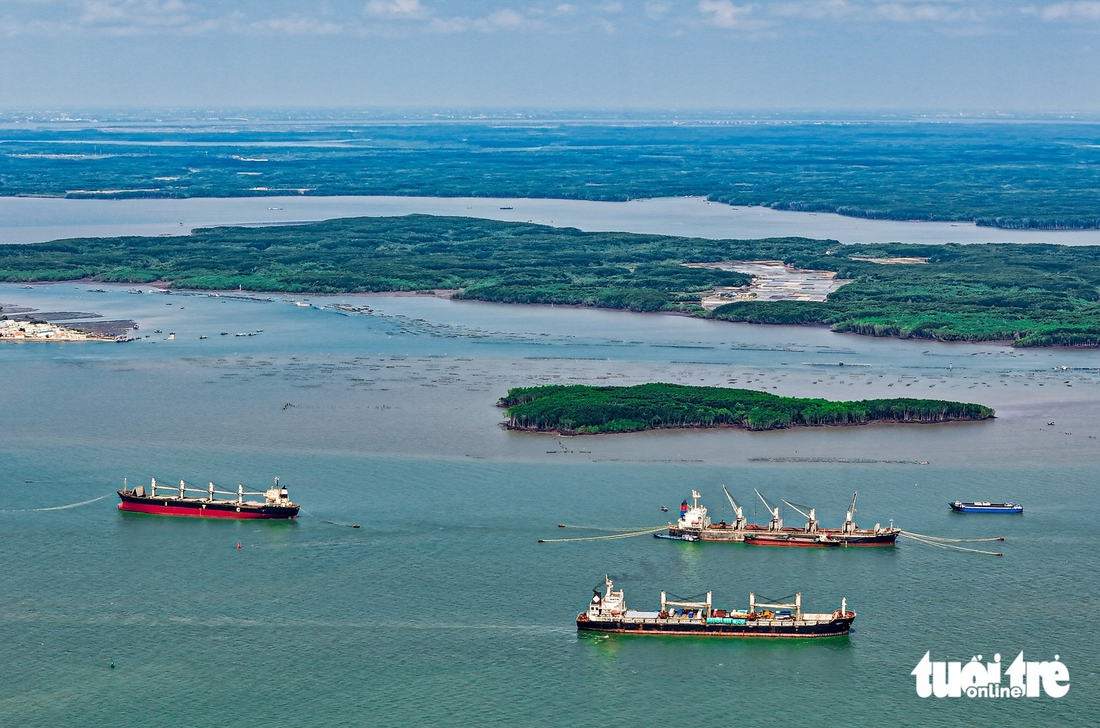
Prominent among these is the Can Gio international transshipment port project. With the advantage of being located near international shipping routes, a large-scale mega-transshipment port capable of receiving large-tonnage vessels will be built here. This project will enhance logistics capacity and help elevate the status of the southern region.
Alongside the seaport is the Vinhomes Green Paradise coastal tourism urban area. From a coastal alluvial plain, this area is being developed into a new urban zone integrated with resorts, commerce, and services, expanding the special urban space of Ho Chi Minh City.
In terms of transportation, the Ben Thanh – Can Gio urban railway project will shorten travel time from the city center to the sea gate. This high-capacity connection line will change the way Can Gio has been accessed, which until now relied on “crossing the river by ferry.”
Additionally, the coastal road project or the Can Gio – Vung Tau sea-crossing route will open a new connectivity corridor between Ho Chi Minh City and the southern coastal region, neighboring localities, and create more space for marine economic and tourism development.
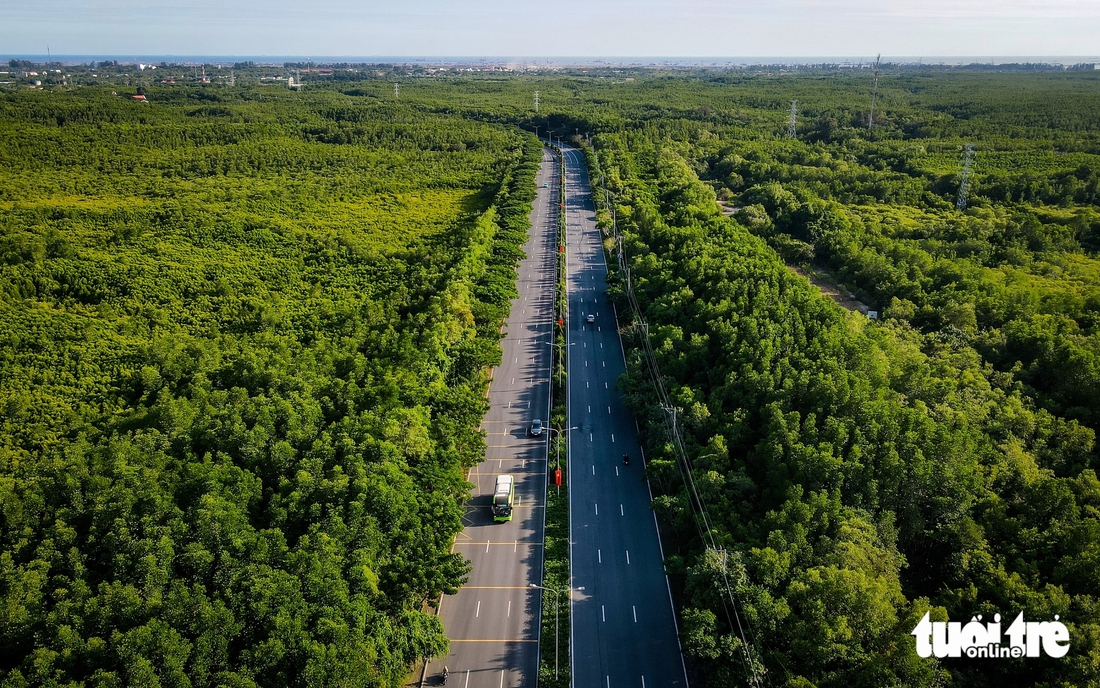
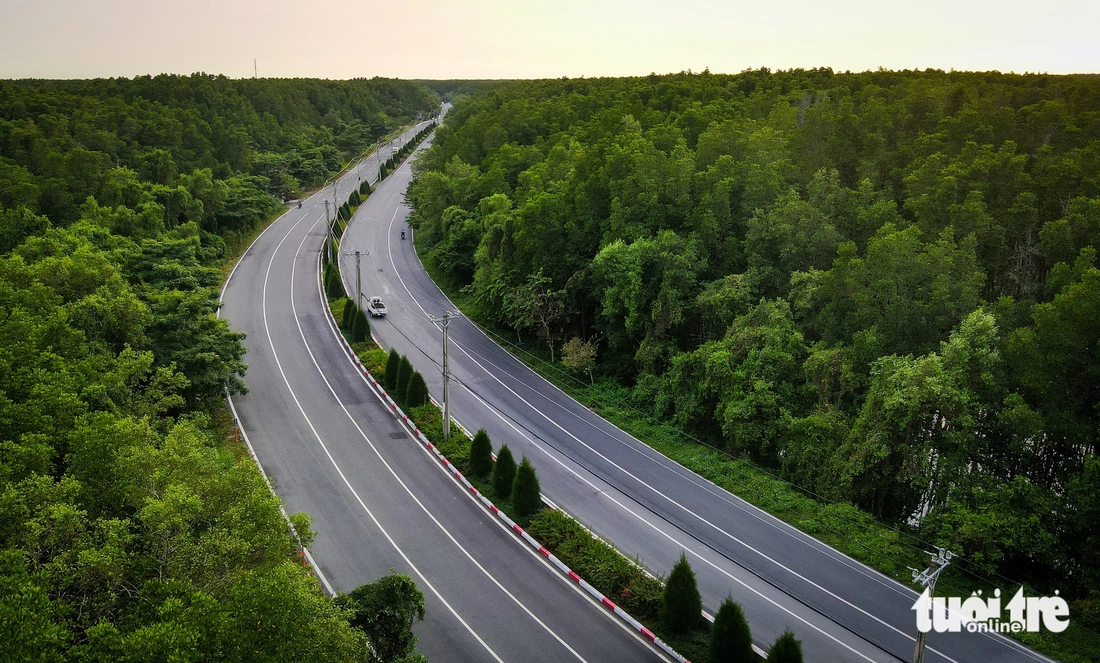
On the existing axis, Rung Sac Road, the vital artery connecting Can Gio to the central area, is also planned for expansion to 10 lanes with an important interchange that will allow traffic to go directly onto the Ben Luc – Long Thanh expressway (towards Dong Nai and the Mekong Delta) instead of having to detour through multiple routes.
From seaports, new urban areas, and strategic transport routes, Can Gio is facing a great opportunity to reach out to the sea and become a new dynamic development space for Ho Chi Minh City.
Overview of the mega-projects transforming Can Gio:
Rung Sac Road is the transport route connecting central Ho Chi Minh City with Can Gio. Currently, all traffic to and from Can Gio passes through this axis. In the future, the end of this route will feature additional projects to stimulate tourism and the economy.Recently, Vingroup researched and proposed investing in upgrading and expanding Rung Sac Road and building the connecting section of Road 15B. This includes widening Rung Sac Road from the intersection with the Ben Luc – Long Thanh expressway in Binh Khanh commune to the road of the Can Gio coastal urban project in Can Gio commune. The total length is over 35 km, expanded to 10 lanes (8 motor vehicle lanes and 2 service lanes).
Can Gio international transshipment port
The Can Gio international transshipment port is a major proposed deep-water port project located in Can Gio District, Ho Chi Minh City, Vietnam. Designed to become a key logistics hub in Southeast Asia, the port aims to handle large container ships and boost Vietnam’s maritime trade capacity. As of 2023, the project is still in the planning and feasibility stages, with the goal of transforming the Can Gio mangrove forest area into a world-class port complex.
Vinhomes Green Paradise coastal tourism urban area
Vinhomes Green Paradise is a large-scale coastal tourism urban area located in Quảng Ninh Province, Vietnam. Developed by Vingroup, it integrates luxury residential spaces, modern amenities, and scenic beachfront landscapes to create a self-contained resort-style community. The project reflects Vietnam’s growing trend of combining real estate development with tourism, offering a blend of natural beauty and urban convenience along the country’s northeastern coast.
Ben Thanh – Can Gio urban railway
The Ben Thanh – Can Gio urban railway is a planned metro line in Ho Chi Minh City, Vietnam, designed to connect the city center (Ben Thanh Market) to the coastal district of Can Gio. This project is part of the city’s broader metro expansion to improve urban mobility and reduce traffic congestion, though it remains in the planning stages as of now. Once completed, it will enhance access to Can Gio’s mangrove forests and eco-tourism sites, supporting both local commuters and visitors.
Rung Sac Road
Rung Sac Road, located in the mangrove forests of Can Gio, Vietnam, is a historic military route used during the Vietnam War by the Viet Cong to transport troops and supplies. It was a key part of the Rung Sac guerrilla zone, which played a crucial role in the 1968 Tet Offensive against the Saigon regime. Today, the area is a preserved site and tourist destination, offering insight into wartime history and the resilience of the local fighters.
Ben Luc – Long Thanh expressway
The Ben Luc – Long Thanh expressway is a major highway in southern Vietnam, part of the North-South Expressway system. Construction began in 2015 to connect Ben Luc in Long An province to Long Thanh in Dong Nai province, aiming to ease congestion on National Route 1 and improve transport links to Ho Chi Minh City and Long Thanh International Airport. After several delays, the expressway fully opened in 2023, enhancing regional connectivity and economic development.
Binh Khanh ferry
Binh Khanh ferry is a historic water crossing located in Ho Chi Minh City, Vietnam, connecting District 2 and District 9 across the Saigon River. It has served as a vital transportation link for local residents and goods for decades, predating the construction of modern bridges in the area. The ferry remains a nostalgic symbol of the city’s riverine culture, though its use has declined with the opening of the nearby Binh Khanh Bridge.
Can Gio – Vung Tau sea-crossing route
The Can Gio – Vung Tau sea-crossing route is a scenic ferry or boat connection linking Ho Chi Minh City’s coastal district of Can Gio to the coastal city of Vung Tau in southern Vietnam. Historically, this route has served as an important transport link for trade and travel, especially after Can Gio was recognized as a UNESCO Biosphere Reserve in 2000, boosting eco-tourism. Today, it offers travelers a convenient way to explore the mangrove forests of Can Gio and the beaches of Vung Tau.
Road 15B
Road 15B is a historic route in the Golan Heights, originally built by the Syrian government before the 1967 Six-Day War to connect the region to Damascus. After Israel captured the area, the road became a key military and civilian artery, winding through rocky terrain near the Israeli-Syrian ceasefire line. Today, it serves as a scenic drive offering views of the border area and remnants of past conflicts.