In Riyadh, Mecca, the Eastern Province, Al-Qassim, Tabuk, and Medina
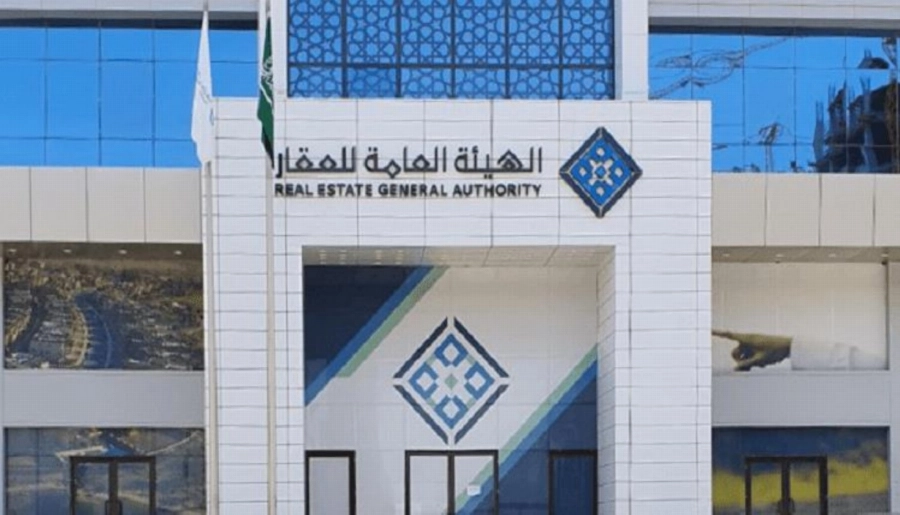
The Real Estate Registry began today accepting applications for the initial in-kind registration of 140.6 thousand real estate parcels in the regions of Riyadh, Mecca, the Eastern Province, Al-Qassim, Tabuk, and Medina, calling on property owners within these neighborhoods to register their properties before the end of September 10, 2026.
A “property number” and a title deed will be issued for each registered unit.
Registration includes the following neighborhoods in the Riyadh region, in Shaqra Governorate: Al-Nakhil, Al-Rayyan, Al-Qaryah, Al-Rihab, Al-Nahda, Ghasla, Al-Bustan, Cordoba, Al-Waqf, Al-Shifa, Al-Yasmin, Al-Khuzama, Al-Safra, Al-Malqa, Al-Falah, Al-Sinaiya, Al-Jami’ah, Al-Rahba, and Al-Narjis, in addition to parts of open areas belonging to Namar Municipality in Dhurma Governorate.
Registration includes the following plans in Ushayqir Governorate: Plan No. 247, Plan No. 126, Plan No. 980, Plan No. 456, Plan No. 250-A, Plan No. 725, Plan No. 333, Plan No. 822, Plan No. 956, Plan No. 571, Plan No. 603, Plan No. 928.
Meanwhile, registration begins in the following neighborhoods in Al-Hayaniya and Bark Governorates: part of the Masada Center neighborhood, part of the Faryat al-Rajba neighborhood. Registration will also begin for a number of real estate parcels in the governorates of Al-Hasat, Huraymila, Al-Rain, and Al-Muzahmiyya.
In the Mecca region, registration begins in the following neighborhoods in Mecca city: part of the Al-Hudaybiya neighborhood, part of the Al-Bustan neighborhood, parts of the Umm al-Jud neighborhood, parts of the Wadi Jalil neighborhood, part of the Al-Khadra neighborhood, part of the Al-Adl neighborhood, parts of the Jabal al-Nur neighborhood, parts of the Cordoba neighborhood, parts of the Al-Tan’eem neighborhood, part of the Al-Rawdah neighborhood, parts of the Al-Buhayrat neighborhood, part of the Al-Salama neighborhood, part of the Al-Nawariya neighborhood, part of the Al-Umrah neighborhood, part of the Al-Khansa neighborhood, part of the Rayy Adhakhir neighborhood, part of the Al-Rashidiyya neighborhood, part of the Al-Awali neighborhood, part of the new Al-Shubayka neighborhood.
Registration begins in the following neighborhoods in the Eastern Province, in Hafr Al-Batin Governorate: Al-Yarmouk, Granada, and in Al-Khafji Governorate: part of the East Arabian Gulf neighborhood, part of the West Arabian Gulf neighborhood, Granada neighborhood.
Registration also includes the following neighborhoods in the Al-Qassim region, in Al-Rass Governorate: part of the Granada neighborhood, part of the Al-Rayyan neighborhood, part of the Al-Narjis neighborhood. Registration includes neighborhoods in Al-Dulaymiyya Governorate: Al-Iskan neighborhood, Al-Nuzha neighborhood, Al-Rawabi neighborhood, Al-Majd neighborhood, Al-Nakhil neighborhood, Al-Manar neighborhood, Al-Shifa neighborhood, Al-Sinaiya neighborhood. Registration will also begin for a number of real estate parcels in Riyad Al-Khabra Governorate.
Registration includes the following neighborhoods in the Tabuk region, in Umluj Governorate: part of the Al-Nasba neighborhood, part of the Al-Maqrah neighborhood, part of the Al-Sahil neighborhood, Al-Samh neighborhood, Al-Rabi’ neighborhood, Al-Tahliya neighborhood, Al-Hawra neighborhood, Al-Marjan neighborhood, Al-Balad neighborhood, Al-Daqm neighborhood, Al-Qurs neighborhood, Al-Shifa neighborhood, Al-Fajiya neighborhood, Al-Batha neighborhood, Al-Muraihail neighborhood. Registration also begins in the following neighborhoods in Haql Governorate: Al
Riyadh
Riyadh, the capital and largest city of Saudi Arabia, has transformed from a small, walled desert town into a modern global metropolis. Its history as a political center began in the early 19th century, but it truly rose to prominence in 1902 when King Abdulaziz Al Saud recaptured the city, leading to the unification of the kingdom. Today, Riyadh is a hub for commerce, culture, and government, blending its historic mud-brick forts and palaces with futuristic skyscrapers.
Mecca
Mecca, located in Saudi Arabia, is the holiest city in Islam and the birthplace of the Prophet Muhammad. It has been a major religious center for centuries, serving as the destination for the annual Hajj pilgrimage, which all Muslims are required to undertake at least once if able. The city is home to the Masjid al-Haram, the Grand Mosque, which contains the Kaaba, the most sacred site in Islam.
Eastern Province
The Eastern Province is the largest province in Saudi Arabia, known for its vast oil reserves and its coastline along the Arabian Gulf. Historically, it was home to ancient trading civilizations, such as the Dilmun and the Kingdom of Kinda, and later became a key region for pearl diving before the discovery of oil in the 1930s transformed it into the kingdom’s economic powerhouse. Today, its capital, Dammam, and major cities like Dhahran and Al-Ahsa serve as hubs for the energy industry and cultural heritage.
Al-Qassim
Al-Qassim is a region in central Saudi Arabia known for its rich agricultural heritage, particularly as a major producer of dates, with the city of Buraydah serving as its capital. Historically, it was a key stop on ancient trade and pilgrimage routes, and it played a significant role in the unification of Saudi Arabia during the early 20th century. Today, the region blends its traditional Bedouin culture with modern development, hosting the annual Buraydah Date Festival, one of the largest date festivals in the world.
Tabuk
Tabuk is a historic city in northwestern Saudi Arabia, known for its significant role in Islamic history as a waypoint for pilgrims traveling to Mecca and as the site of the Battle of Tabuk in 630 CE. The region features ancient ruins, including the Tabuk Fortress and the Ottoman-era Hejaz Railway station, reflecting its strategic importance along trade and pilgrimage routes. Today, it blends this rich heritage with modern development, serving as a key administrative and cultural center.
Medina
Medina, known as “the Radiant City,” is the second holiest city in Islam, located in western Saudi Arabia. It holds immense religious significance as the burial place of the Prophet Muhammad, who migrated there in 622 CE, marking the start of the Islamic calendar. The city’s historic Al-Masjid an-Nabawi (the Prophet’s Mosque) remains a major pilgrimage site, drawing millions of visitors annually.
Jabal al-Nur
Jabal al-Nur, or “Mountain of Light,” is a significant Islamic site located near Mecca in Saudi Arabia. It is most famous for the Cave of Hira, where the Prophet Muhammad is believed to have received the first revelations of the Quran from the Angel Gabriel. This event marks the beginning of Islam, making the mountain a deeply revered pilgrimage destination.
Cordoba
Córdoba, located in southern Spain, was a major cultural and intellectual center during the Islamic Golden Age, particularly under the Umayyad Caliphate. Its most famous landmark, the Mezquita-Catedral, was originally built as a mosque in the 8th century and later converted into a Catholic cathedral after the Christian Reconquista. Today, the city is celebrated for its rich blend of Islamic, Jewish, and Christian heritage, reflected in its historic architecture and the narrow streets of the Jewish Quarter.