Hajj season success praised by Medina official in greeting to leadership.
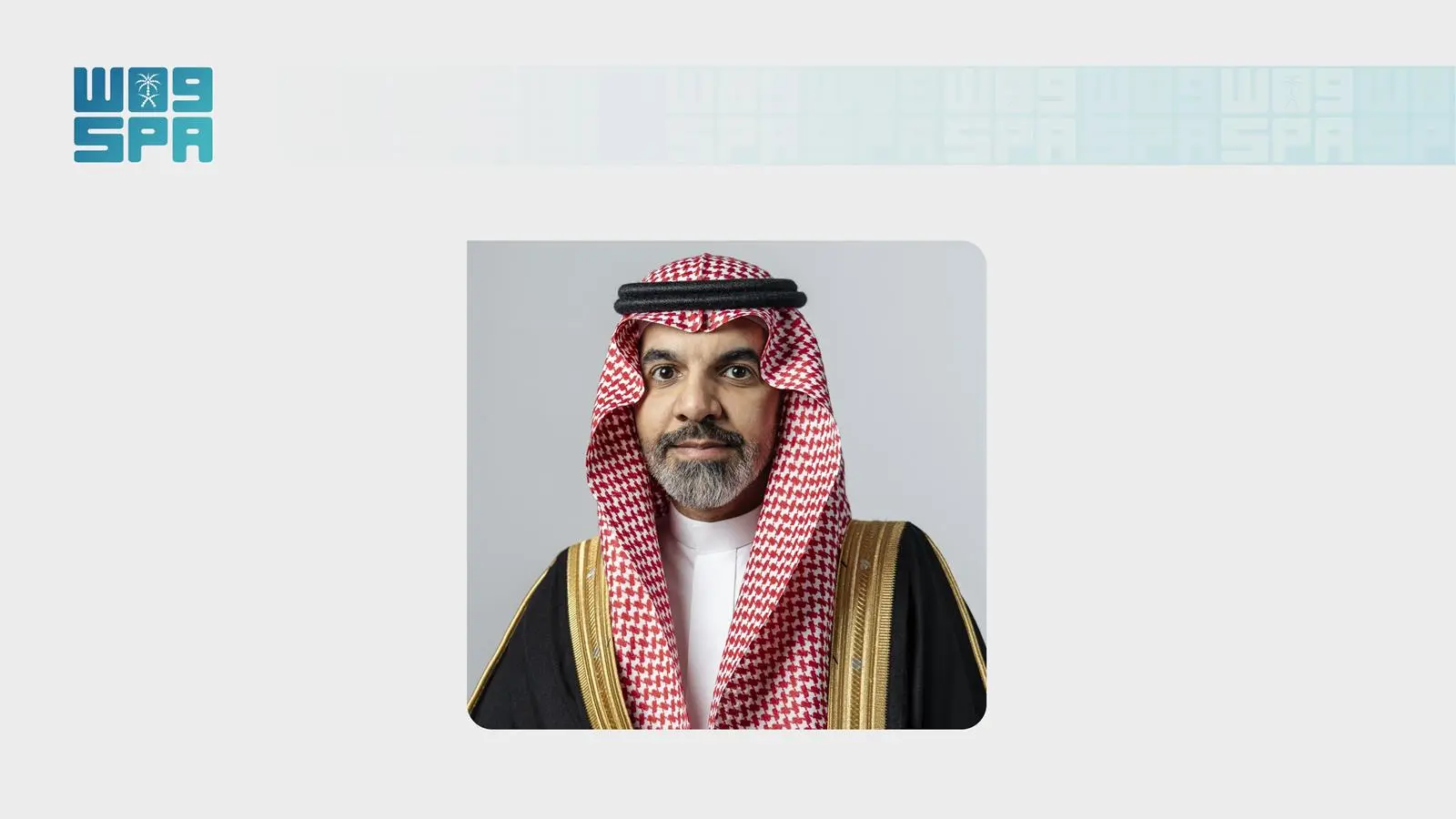
The Mayor of the Al-Madinah Region and CEO of the Regional Development Authority, Engineer Fahad bin Mohammed Al-Bulaishi, extended congratulations to the Custodian of the Two Holy Mosques, King Salman bin Abdulaziz Al Saud, and to His Royal Highness Prince Mohammed bin Salman bin Abdulaziz Al Saud, Crown Prince and Prime Minister, on the success achieved during this year’s Hajj season of 1447 AH. He emphasized that the Hajj season witnessed integrated services, smooth movement, and an enhanced quality of experience for the guests of the Most Merciful, reflecting the generous care and unlimited support provided by the wise leadership in serving the Two Holy Mosques and their visitors, and harnessing all capabilities to enable pilgrims to perform their rituals with ease and tranquility. He noted that the successes achieved in the Hajj season are an extension of the Kingdom’s established approach to serving the guests of the Most Merciful, and reflect the level of integration and coordination among various government, security, and service entities, which contributed to providing an advanced operational system based on efficiency and service quality. He also praised the field and coordination efforts in Al-Madinah to serve the guests of the Most Merciful visiting the Prophet’s Mosque during the pre-Hajj season, commending the qualitative work and integrated efforts that contributed to the season’s success, under the supervision and follow-up of His Royal Highness Prince Salman bin Sultan bin Abdulaziz, Governor of the Al-Madinah Region and Chairman of the Permanent Committee for Hajj and Umrah in the region. He asked God Almighty to protect the Custodian of the Two Holy Mosques and His Highness the Crown Prince, to maintain the Kingdom’s security, stability, and prosperity, and to accept the pilgrims’ Hajj and return them safely to their homes.
The Two Holy Mosques
The “Two Holy Mosques” refer to the Masjid al-Haram in Mecca and the Masjid al-Nabawi in Medina, the two holiest sites in Islam. Masjid al-Haram surrounds the Kaaba, the direction of prayer for Muslims, and has been expanded over centuries since the time of Prophet Abraham. Masjid al-Nabawi, built by the Prophet Muhammad in 622 CE, houses his tomb and has undergone numerous renovations, serving as a central place of worship and pilgrimage for millions of Muslims annually.
Al-Madinah
Al-Madinah, also known as Medina, is a city in western Saudi Arabia and the second holiest city in Islam after Mecca. It is historically significant as the place where the Prophet Muhammad migrated in 622 CE, an event known as the Hijra, and where he established the first Muslim community. The city is home to the Prophet’s Mosque (Al-Masjid an-Nabawi), which contains his tomb, and remains a key destination for pilgrims.
The Prophet’s Mosque
The Prophet’s Mosque (Al-Masjid an-Nabawi) in Medina, Saudi Arabia, is one of the holiest sites in Islam, built by the Prophet Muhammad himself in 622 CE. Originally a simple open-air structure with palm trunks and mud walls, it has undergone numerous expansions over the centuries, now featuring a vast complex with the iconic Green Dome marking the Prophet’s tomb. It remains a major pilgrimage destination, second only to the Grand Mosque in Mecca, and holds deep spiritual significance for Muslims worldwide.
Two Holy Mosques
“Two Holy Mosques” refers to the two holiest sites in Islam: the Masjid al-Haram in Mecca, which houses the Kaaba, and the Al-Masjid an-Nabawi in Medina, the Prophet Muhammad’s mosque. Mecca is the birthplace of the Prophet Muhammad and the destination for the annual Hajj pilgrimage, while Medina became the first Islamic state after the Hijrah (migration) in 622 CE. These mosques have been expanded over centuries, especially by Saudi rulers, to accommodate millions of worshippers, symbolizing the spiritual heart of the Muslim world.
Masjid al-Haram
Masjid al-Haram, located in Mecca, Saudi Arabia, is the holiest site in Islam and surrounds the Kaaba, the direction of prayer for Muslims worldwide. Its history dates back to the time of the Prophet Ibrahim (Abraham), who, according to Islamic tradition, built the Kaaba with his son Ismail. The mosque has undergone numerous expansions over centuries, most notably in recent decades, to accommodate millions of pilgrims during the annual Hajj and Umrah.
Masjid al-Nabawi
Masjid al-Nabawi, located in Medina, Saudi Arabia, is the second holiest mosque in Islam and was originally built by the Prophet Muhammad himself in 622 CE. It served as his home, a community center, and the first mosque of its kind, and it now houses his tomb beneath the iconic Green Dome. The mosque has been expanded significantly over centuries, most notably by the Umayyads, Ottomans, and the modern Saudi state, to accommodate millions of worshippers annually.
Kaaba
The Kaaba is a sacred cube-shaped building located in the center of the Grand Mosque in Mecca, Saudi Arabia, and is considered the most holy site in Islam. Its history dates back to pre-Islamic times, with Islamic tradition holding that it was originally built by the Prophet Abraham and his son Ishmael as a house of monotheistic worship. Today, Muslims around the world face the Kaaba during their daily prayers, and it is the focal point of the annual Hajj pilgrimage.
Al-Madinah
Al-Madinah, also known as Medina, is a city in western Saudi Arabia and the second holiest city in Islam, after Mecca. It is the site of the Prophet’s Mosque (Al-Masjid an-Nabawi), which houses the tomb of the Prophet Muhammad, who migrated there in 622 CE in an event known as the Hijra. This migration marks the beginning of the Islamic calendar, and the city served as the political and spiritual center of the early Muslim community.
Prophet’s Mosque
The Prophet’s Mosque, located in Medina, Saudi Arabia, is one of the holiest sites in Islam, originally built by the Prophet Muhammad himself in 622 CE. It served as his home, a community center, and the first mosque in Islamic history, later expanding into a vast complex with the iconic Green Dome marking his tomb. Today, it accommodates millions of pilgrims annually, standing as a central place of worship and a symbol of Islamic heritage.
Grand Mosque
The Grand Mosque, also known as the Sheikh Zayed Grand Mosque in Abu Dhabi, is a stunning modern architectural marvel that blends traditional Islamic design with contemporary craftsmanship. Completed in 2007, it was named after the UAE’s founding father, Sheikh Zayed bin Sultan Al Nahyan, and serves as a symbol of cultural unity and religious tolerance. The mosque features 82 domes, intricate marble work, and one of the world’s largest chandeliers, attracting millions of visitors annually.
Green Dome
The Green Dome, located in Medina, Saudi Arabia, is the iconic green-painted dome built above the tomb of the Prophet Muhammad. Originally constructed in the 13th century during the Mamluk period, it was later repainted green in the 16th century under Ottoman rule. It is one of the holiest sites in Islam, visited by millions of pilgrims each year.