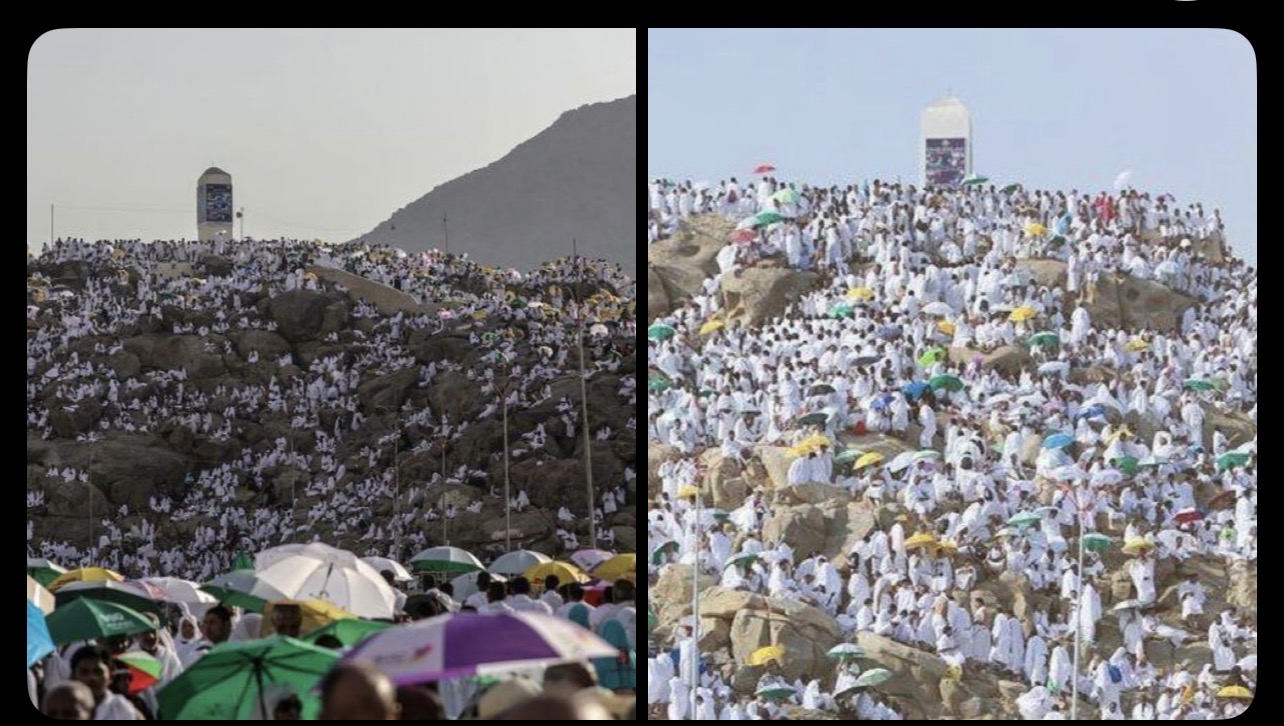
Pilgrimage in the past and pilgrimage in the present.
Hajj is one of the great pillars of Islam, and Muslims from around the world travel to Mecca each year to perform its rituals. Hajj has undergone significant development over the centuries, from arduous journeys and primitive means of transportation in the past to modern services and advanced organization in the present.
Hajj in the Past
In the past, Hajj was a grueling journey that took months. Pilgrims traveled by camel, horse, or on foot across deserts and mountains, enduring hardship, scarce water, and limited food.
Characteristics of Hajj in the Past
* Travel by caravans and camels.
* Long journey duration that could last months.
* Dependence on wells and natural water sources.
* Limited health and organizational services.
* Pilgrims gathered in caravans for protection from road dangers.
Pilgrims faced many difficulties, such as:
* High temperatures.
* Diseases and epidemics.
* The hardship of travel and movement.
* Bandits in some ancient regions.
Despite these hardships, Muslims were keen to perform the Hajj pilgrimage out of longing for the Sacred House of God.
Hajj in the Present
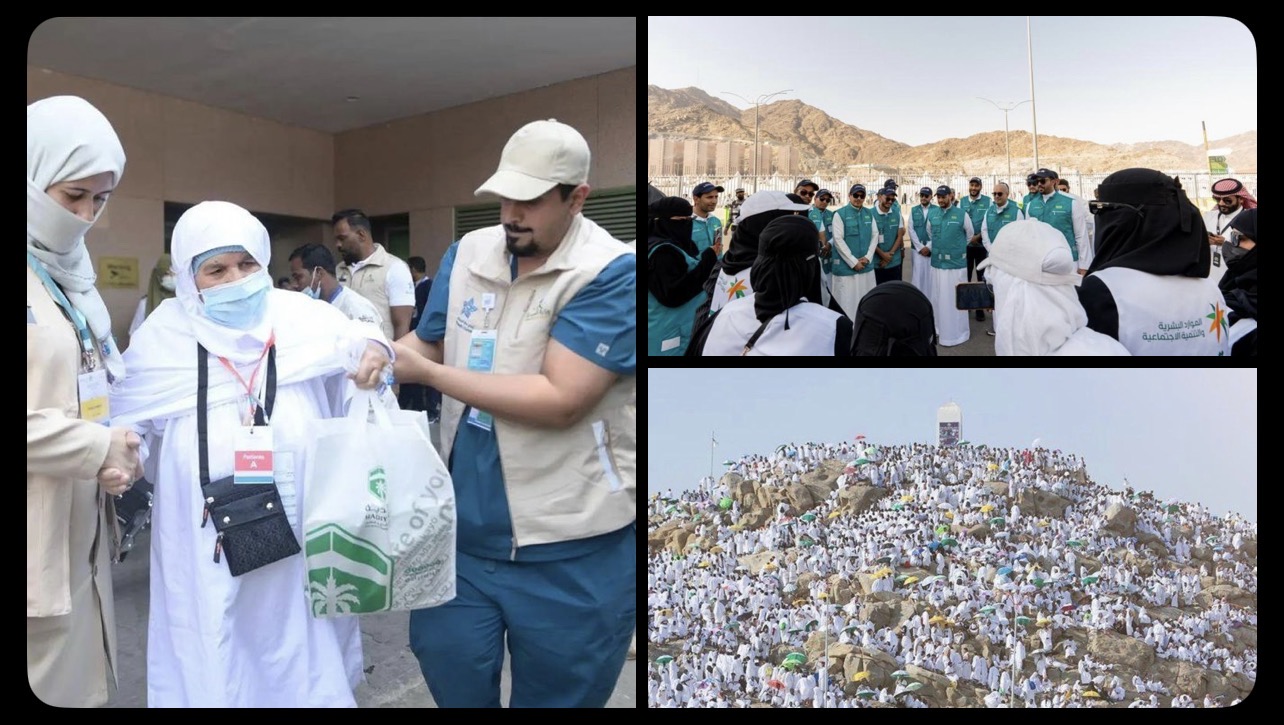
In modern times, Hajj has witnessed tremendous development thanks to the efforts of the Saudi government in serving the guests of the Most Merciful, making the journey easier and safer.
Screenshot
Mecca
Mecca, located in modern-day Saudi Arabia, is the holiest city in Islam and the birthplace of the Prophet Muhammad. It has been a center of pilgrimage for centuries, even before Islam, as the site of the Kaaba—a sacred structure Muslims believe was originally built by Abraham and his son Ishmael. Today, millions of Muslims travel to Mecca annually for the Hajj pilgrimage, a key religious duty.
Mecca
Mecca, located in Saudi Arabia, is the holiest city in Islam and the birthplace of the Prophet Muhammad. It is home to the Masjid al-Haram (the Grand Mosque) and the Kaaba, which Muslims face during prayer and circumambulate during the Hajj pilgrimage. Historically, Mecca was a major trading hub before the advent of Islam, and it remains a central spiritual destination, drawing millions of pilgrims annually.
Kaaba
The Kaaba is a cube-shaped structure located in the center of the Masjid al-Haram in Mecca, Saudi Arabia, and is the most sacred site in Islam. According to Islamic tradition, it was originally built by the Prophet Abraham and his son Ishmael as a house of monotheistic worship, and it has been a focal point for pilgrimage for centuries. Today, Muslims around the world face the Kaaba during their daily prayers, and it is the destination of the Hajj pilgrimage, which every able-bodied Muslim is required to undertake at least once in their lifetime.
Mecca
Mecca, located in Saudi Arabia, is the holiest city in Islam and the birthplace of the Prophet Muhammad. It is home to the Masjid al-Haram, which contains the Kaaba, the sacred structure toward which Muslims worldwide pray. Historically, Mecca has been a center of trade and pilgrimage for centuries, and today it hosts the annual Hajj pilgrimage, drawing millions of Muslims from around the globe.
Kaaba
The Kaaba is a sacred cube-shaped building located in the center of the Grand Mosque in Mecca, Saudi Arabia, and is the holiest site in Islam. According to Islamic tradition, it was originally built by the Prophet Abraham and his son Ishmael as a house of monotheistic worship, and it has been a focal point for pilgrimage for centuries. Muslims around the world face the Kaaba during their daily prayers, and it is the destination of the annual Hajj pilgrimage, which all able Muslims must undertake at least once in their lifetime.
Masjid al-Haram
Masjid al-Haram, located in Mecca, Saudi Arabia, is the holiest site in Islam and surrounds the Kaaba, which Muslims face during prayer. According to Islamic tradition, the mosque’s origins trace back to the Prophet Ibrahim (Abraham) and his son Ismail, who rebuilt the Kaaba as a house of monotheistic worship. It has undergone numerous expansions over centuries, most recently in the 21st century to accommodate millions of pilgrims during the annual Hajj pilgrimage.
Sacred House of God
The “Sacred House of God” is a reference to the Kaaba in Mecca, Saudi Arabia, the holiest site in Islam. According to Islamic tradition, it was originally built by the Prophet Abraham and his son Ishmael as a monotheistic house of worship, and it has been a central pilgrimage destination for Muslims for over 1,400 years. Today, millions of pilgrims circle the Kaaba during the Hajj and Umrah pilgrimages, symbolizing the unity of believers in the worship of one God.