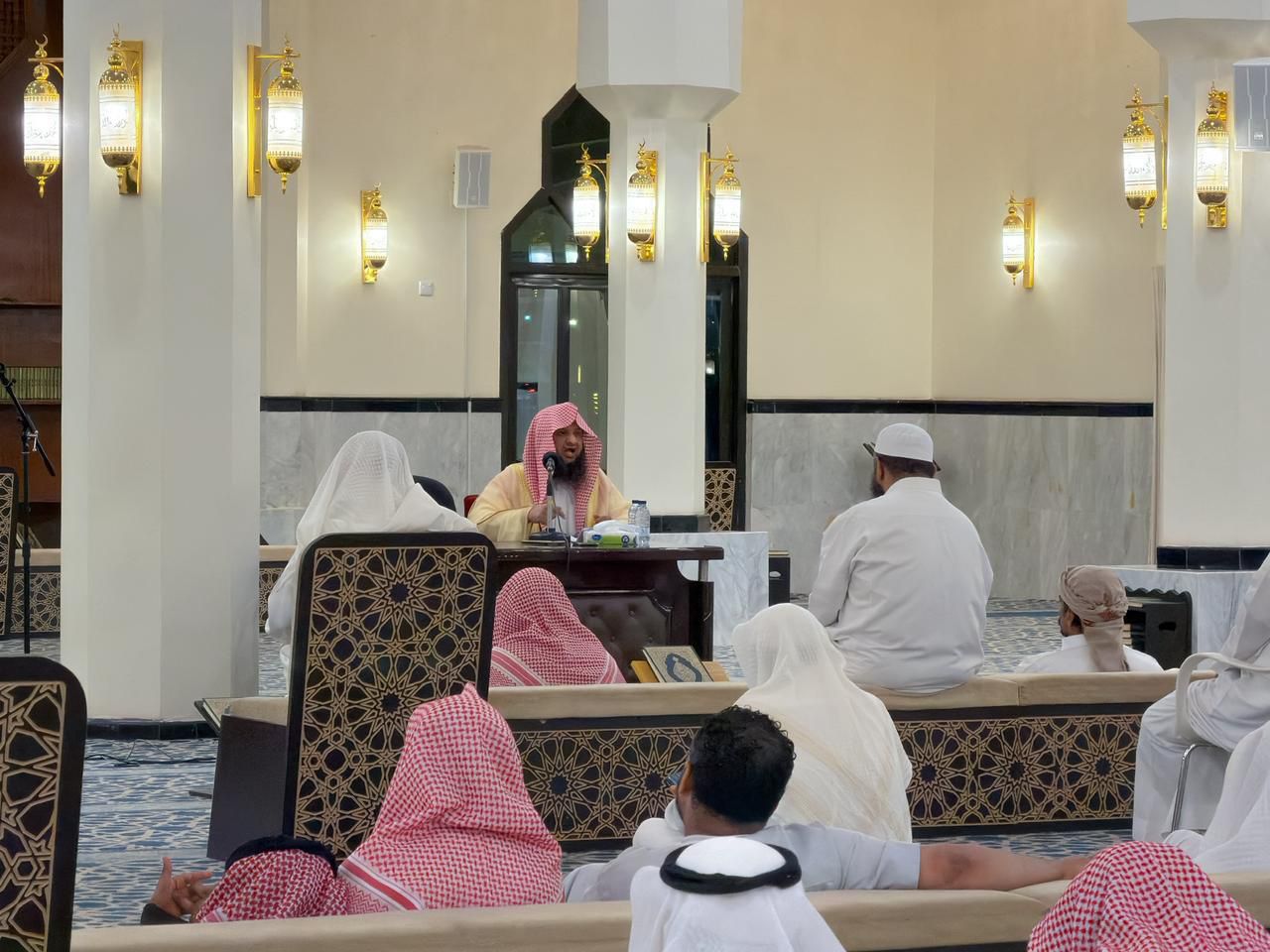
The Ministry of Islamic Affairs, Dawah and Guidance, represented by its branch in the Jazan region, implemented a specialized religious program yesterday evening, Saturday, 29 Dhul Qa’dah 1447 AH, coinciding with the approaching entry of the first ten days of Dhul Hijjah. This was part of its seasonal programs aimed at spreading religious awareness, educating the community on the rulings of Hajj, and highlighting the great efforts made by the Kingdom of Saudi Arabia in serving the guests of God.
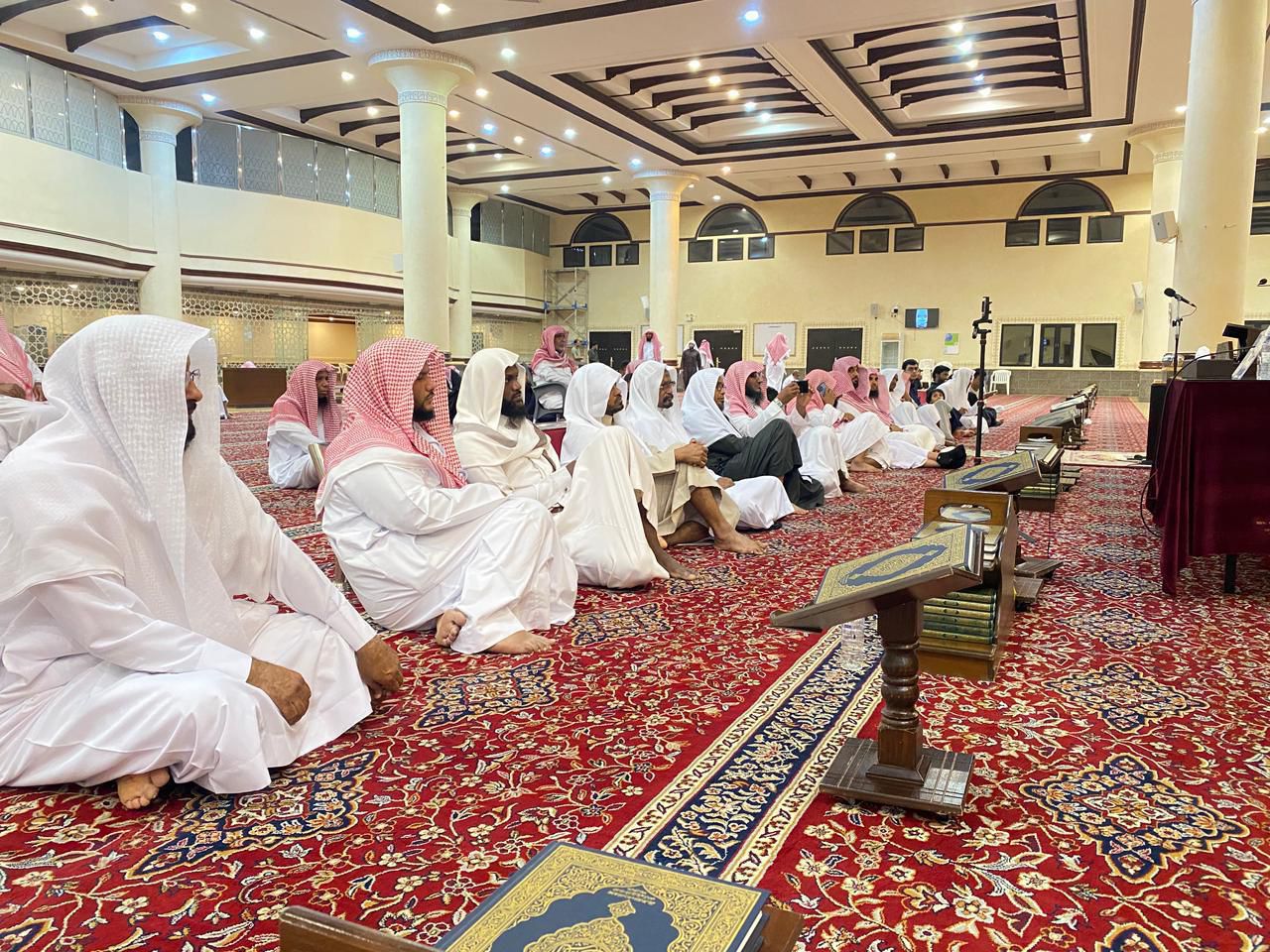
The program was held in 16 governorates, in addition to the city of Jizan, with the participation of 31 preachers from the branch’s official and cooperating preachers. It included a number of speeches, lectures, and religious lessons covering two main themes.
The first theme focused on explaining the rulings of Hajj, clarifying its pillars, obligations, and prohibitions, along with discussing the virtues of the first ten days of Dhul Hijjah, the importance of seizing them with acts of obedience, the virtue of fasting on the Day of Arafah for those not performing Hajj, and the rulings of the Day of Sacrifice and sacrificial animals. It also encouraged increasing remembrance of God, reading the Quran, and performing righteous deeds during these blessed days.
The second theme addressed highlighting the efforts of the Kingdom of Saudi Arabia in serving pilgrims and Umrah performers, and the projects and facilities provided by the wise leadership—may God support them—that have contributed to facilitating the performance of rituals with ease and reassurance. These include expansions in the Two Holy Mosques, development of the holy sites, construction of the Mashaer Train, and the integrated services provided to the guests of God.
The program also reviewed the efforts of the Ministry of Islamic Affairs, Dawah and Guidance in serving pilgrims, through preparing mosques in the holy sites, miqats (designated points for entering the state of Ihram), and roadside mosques, in addition to employing modern technologies in awareness and guidance via applications and digital services that facilitate access to fatwas and religious information related to the rituals. Among these are the “Rushd” application, three-dimensional virtual education, and the “Correct Citation” application.
This program is implemented as part of the seasonal religious and awareness programs carried out by the ministry’s branch in the Jazan region, aiming to spread religious awareness, enhance Islamic values, explain the virtue of the first ten days of Dhul Hijjah, and introduce the great efforts exerted by the Kingdom in serving the guests of God.
Two Holy Mosques
Mashaer Train
Rushd application
Two Holy Mosques
Mashaer Train
Rushd application
Related news

Saudi Arabia deposits an additional $3 billion into Pakistan’s Central Bank.

The Medina Municipality approves an opportunity to implement a commercial project.

Friday sermon from the Grand Mosque.