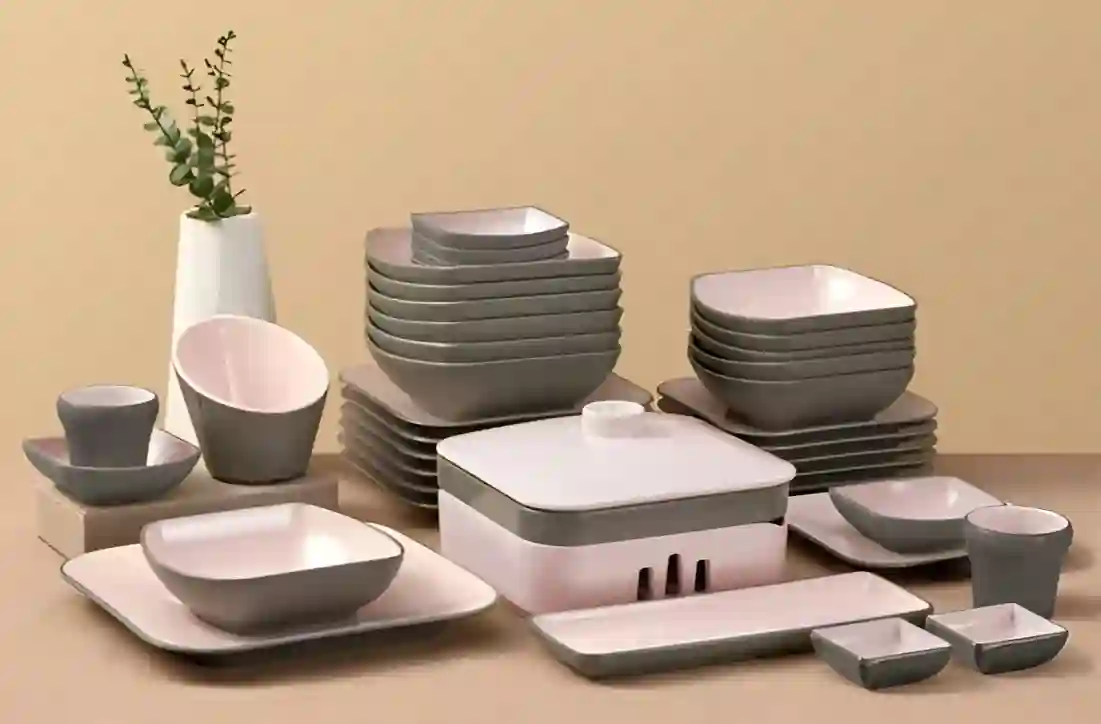
A nutrition specialist stated that using melamine cookware to heat food can pose a real health risk, explaining that this material can leach into food when exposed to heat, which may increase the likelihood of serious diseases, including cancer. The specialist emphasized the necessity of paying attention to the quality of utensils used in the kitchen to protect family health and food safety.
Direct Warning About the Risks of Melamine
The specialist confirmed that melamine is not safe when exposed to high temperatures, as it begins to react and leach into food, especially when used for heating meals. It was explained that this leaching could lead to concerning long-term health effects, urging people to replace such cookware with glass, which was described as the safest option for storing and coming into contact with food. It was also noted that food-grade silicone bags are a good option if they meet specifications.
Basic Rules for Safe Food Storage
The nutrition specialist stressed the importance of ensuring that plastic bags used are intended for freezing and can withstand low temperatures. A warning was also given about not leaving cooked food outside the refrigerator for more than two hours, as this period can allow bacteria to multiply rapidly, increasing the likelihood of food poisoning. It was clarified that adhering to the cold chain represents the first line of defense against health risks associated with food.
Fresh Juices and Pregnant Women: A Special Warning
The topic of fresh juices was addressed, explaining that their shelf life is shorter than that of processed and canned juices because they do not contain preservatives, making them more susceptible to microbial contamination. It was confirmed that pregnant women are not advised to drink fresh juices from unverified sources, as their immune systems may be more sensitive to any potential food contamination, which could negatively affect the health of both the mother and the fetus.
Food Fillings: A Fertile Environment for Bacteria
It was noted that foods or fillings containing proteins are an ideal environment for bacterial growth if left at room temperature, emphasizing the necessity of storing them in the refrigerator or freezer immediately after preparation. It was explained that the shelf life of cooked fillings extends from three to four days in the refrigerator and can last up to a full month in the freezer if stored correctly, warning against negligence in these procedures due to their potentially serious health consequences.