Brazil and Mexico offer to mediate in the crisis between Washington and Caracas.
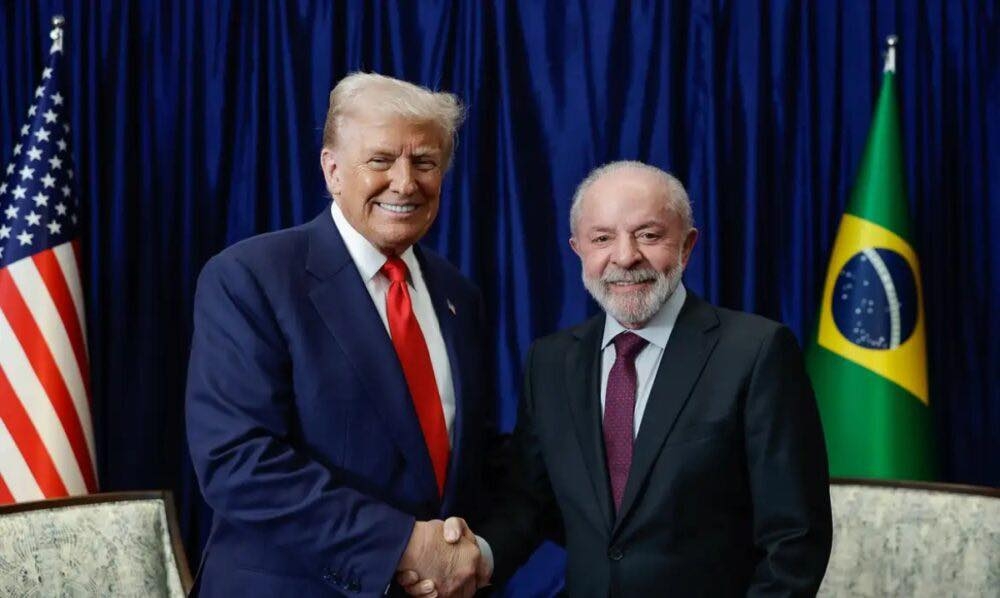
Both the Brazilian and Mexican presidents have offered to mediate in the crisis between the United States and Venezuela.
Amid escalating tensions between Washington and Caracas, the Brazilian president expressed deep concern on Thursday, stating he is ready to mediate between the two governments to reach a diplomatic solution and avoid an armed conflict in Latin America.
He indicated he would likely speak with his American counterpart before Christmas to avert a fratricidal war.
Mexican Mediation Offer
In Mexico, the president also proposed on Thursday to mediate between the United States and Venezuela in order to avoid armed intervention.
She said at a press conference: “We will work with all countries that wish to do so, in Latin America or on other continents, to reach a peaceful solution and avoid American intervention in Venezuela.”
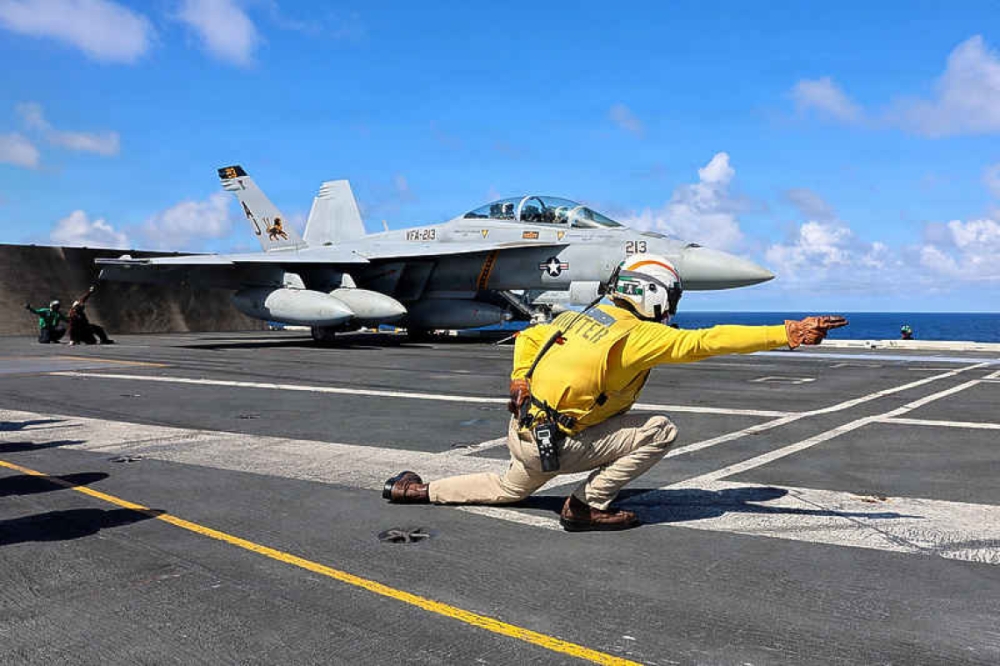
This comes after the United States deployed a large military system in the Caribbean Sea and the Pacific Ocean to carry out operations against boats it says are used for drug smuggling.
The Venezuelan president said this is an American attempt to overthrow him.
These operations raise questions about their legality and have resulted in the deaths of at least 95 people since September.
Washington
Washington, D.C., the capital of the United States, was founded in 1790 as a planned city to serve as the nation’s permanent seat of government. It is home to iconic landmarks like the White House, the U.S. Capitol, and the Washington Monument, which symbolize American democracy and history. The city’s design, influenced by Pierre L’Enfant, incorporates grand avenues and numerous monuments, museums, and federal institutions that reflect the country’s political and cultural heritage.
Caracas
Caracas is the capital and largest city of Venezuela, founded in 1567 by Spanish conquistador Diego de Losada. Historically a key colonial administrative and economic center, it became the birthplace of South American independence leader Simón Bolívar and the launching point for his 19th-century campaigns. Today, it is a major metropolitan hub known for its cultural institutions, political significance, and dramatic setting within the Caracas Valley of the Venezuelan coastal mountain range.
Latin America
Latin America is a vast cultural region comprising over 20 countries in the Americas where Spanish and Portuguese are predominantly spoken, sharing a history shaped by indigenous civilizations, European colonization, and the struggle for independence in the 19th century. Its rich cultural identity is a fusion of these indigenous, European, and African influences, evident in its languages, religions, music, and arts. Today, it is known for its diverse landscapes, vibrant cities, and significant contributions to global culture.
Brazil
Brazil, officially the Federative Republic of Brazil, is a vast South American country with a rich cultural history shaped by indigenous peoples, Portuguese colonization starting in 1500, and the legacy of the Atlantic slave trade. Its most iconic cultural site is perhaps Rio de Janeiro’s **Christ the Redeemer** statue, a modern symbol completed in 1931, while its historic capital of Salvador da Bahia preserves a profound Afro-Brazilian heritage from the colonial era. Today, Brazil’s culture is globally celebrated for its vibrant music, dance, and annual Carnival festivities.
Mexico
Mexico is a country with a rich cultural heritage rooted in ancient civilizations like the Maya and Aztec, whose monumental sites, such as Teotihuacán and Chichén Itzá, still stand today. Following Spanish colonization in the 16th century, a fusion of indigenous and European traditions shaped its unique identity, evident in its vibrant art, cuisine, and festivals like Día de los Muertos. Modern Mexico is a federal republic known for its diverse landscapes, from beaches to mountains, and its deep historical legacy as the cradle of major Mesoamerican societies.
United States
The United States is a federal republic founded in 1776 after declaring independence from Great Britain, with its modern government established by the Constitution in 1789. Culturally, it is a vast and diverse nation shaped by Native American heritage, waves of immigration, and the significant historical experiences of slavery, westward expansion, and its role as a global superpower. Key cultural sites reflecting this history include Independence Hall, the National Mall in Washington D.C., and numerous monuments, museums, and natural landmarks across its fifty states.
Venezuela
Venezuela is a South American country known for its diverse landscapes, ranging from the Andes Mountains to the Amazon rainforest and Caribbean coastline. Historically, it was a Spanish colony until achieving independence in the early 19th century under leaders like Simón Bolívar, and its modern economy has been heavily shaped by its vast petroleum reserves. Culturally, it is recognized for vibrant music and dance styles like joropo, as well as UNESCO-listed sites such as the university city of Caracas and Coro’s colonial architecture.
Caribbean Sea
The Caribbean Sea is a tropical body of water in the Western Hemisphere, bounded by the islands of the Caribbean, Central America, and northern South America. Historically, it was a central corridor for European exploration and colonization after 1492, becoming a major route for trade, including the tragic transatlantic slave trade. Today, it is renowned for its biodiversity, coral reefs, and as a premier global tourist destination.