【Watch the Video】The Thoughts of the Leaders and Details of “THE LIVE” at “BASEGATE Yokohama Kannai”
Top Talk Session
Ahead of the March 19th opening, on March 12th, the four leaders from the companies involved with “BASEGATE Yokohama Kannai” (Mitsui Fudosan, DeNA, Hoshino Resorts, STELLAR SCIENCE FOUNDATION) met and shared their thoughts.
*Some sections are audio-only recordings, represented by a still image.
Ueda-san (President, Mitsui Fudosan)
Ueda-san took his first step as a working adult in Kannai back in 1983. He says his experiences, from spending time in a Yokohama office with just four people to enjoying life in Honmoku, are his roots. He views Kannai as “the birthplace of civilization and modernization in Japan” and, while respecting its history, hopes this project will be a catalyst for Japan’s revival, a signal fire to move the country forward from the “lost decades.”
Nanba-san (Chairperson, DeNA)
It has been 15 years since acquiring the baseball team. While providing internet services at DeNA, Nanba-san says Yokohama taught her “the happiness of bringing joy to people,” seeing fans high-fiving and hugging in celebration. Recalling the stunning blue sky she looked up at during the 2024 victory parade and the 300,000 people gathered along the 1.5km route, she reveals Yokohama feels like “more than a second hometown.” She wants to provide new experiences where going to the stadium itself becomes the goal, not just on the 70 game days a year, but on the other 290 days as well, attracting everyone from children to three-generation families.
Hoshino-san (Representative, Hoshino Resorts)
Based on the belief that “cities themselves should be tourism hubs,” he proposes stays that treat all of Yokohama as one resort. At “OMO7 Yokohama by Hoshino Resorts,” which utilizes the former Yokohama City Hall administrative building, they have realized a “fusion of old and new” that inherits the historical value left by architect Murano Togo. To address the challenge of Yokohama’s high rate of day-trippers, they are targeting tourists, not business travelers, and want to create reasons to stay by proposing experiences like “how to enjoy Kannai in the morning,” something only hotel guests can savor.
As a local born and raised in Yokohama, he spent his student years around Kannai Station. With the world-class research lab opened on the 6th floor of the tower building as a base, his vision is to use the power of science to move the world forward. He sees joy in “discovering something in daily life” and wants the lab to be an open place where sports fans and the general public can feel “discovery” is close at hand. He wants to engage in exciting activities together that shift from “medicine that looks at illness” to science that makes people healthier and happier, starting here and connecting to the world.
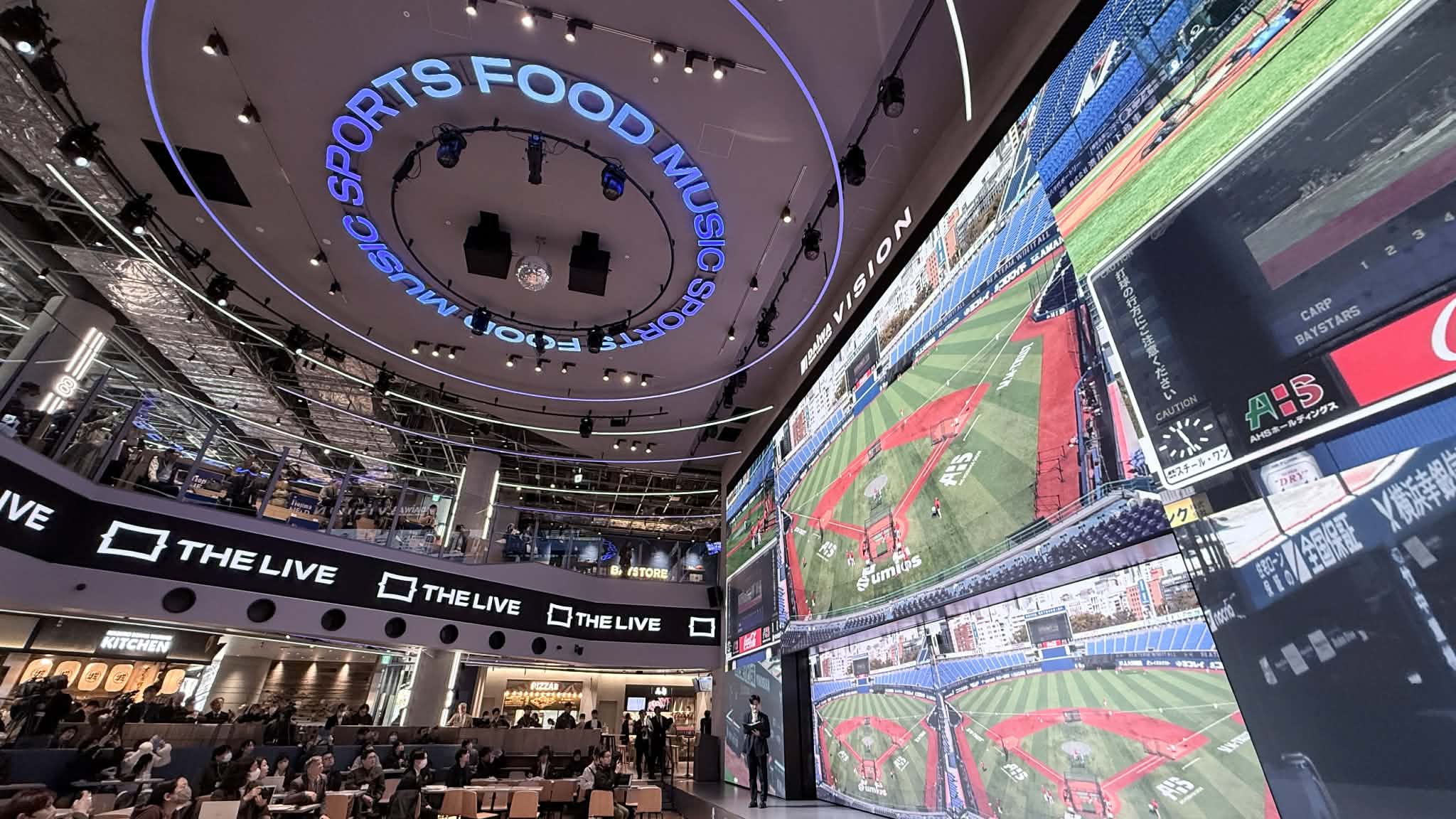
Japan’s Largest Permanent Live Viewing Arena “THE LIVE” is Born
Nanba-san Talks About the “BASEGATE Yokohama Kannai” Live Viewing Arena “THE LIVE”
“THE LIVE” Live Viewing Arena Overall Strategy
“THE LIVE Supported by Daiwa Jisho” Live Viewing Experience
“THE LIVE” Viewing Experience and diana Dance Performance
During viewings at “THE LIVE,” four OG members from the team’s official performance team, diana, appear as MCs, two per game.
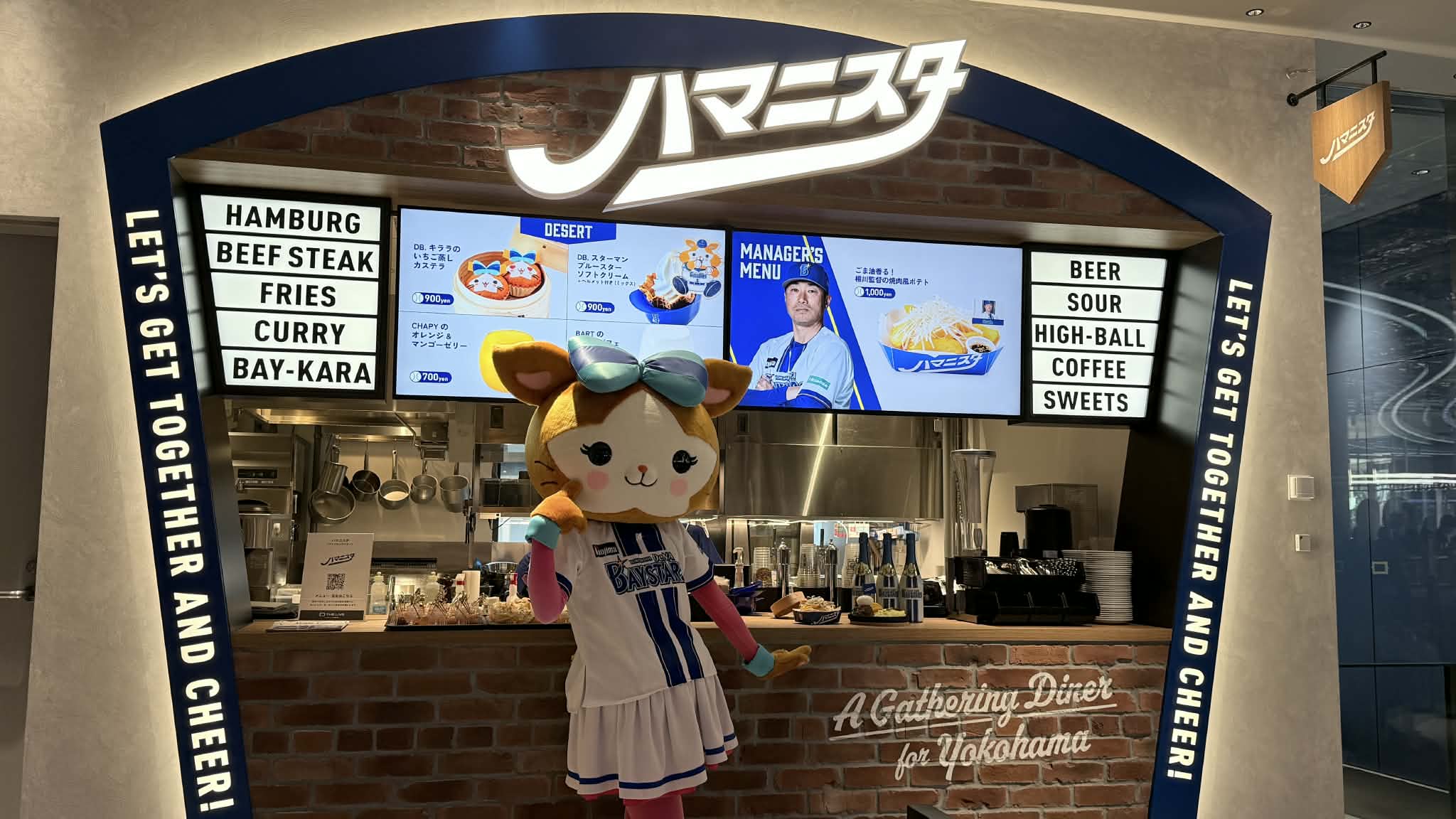
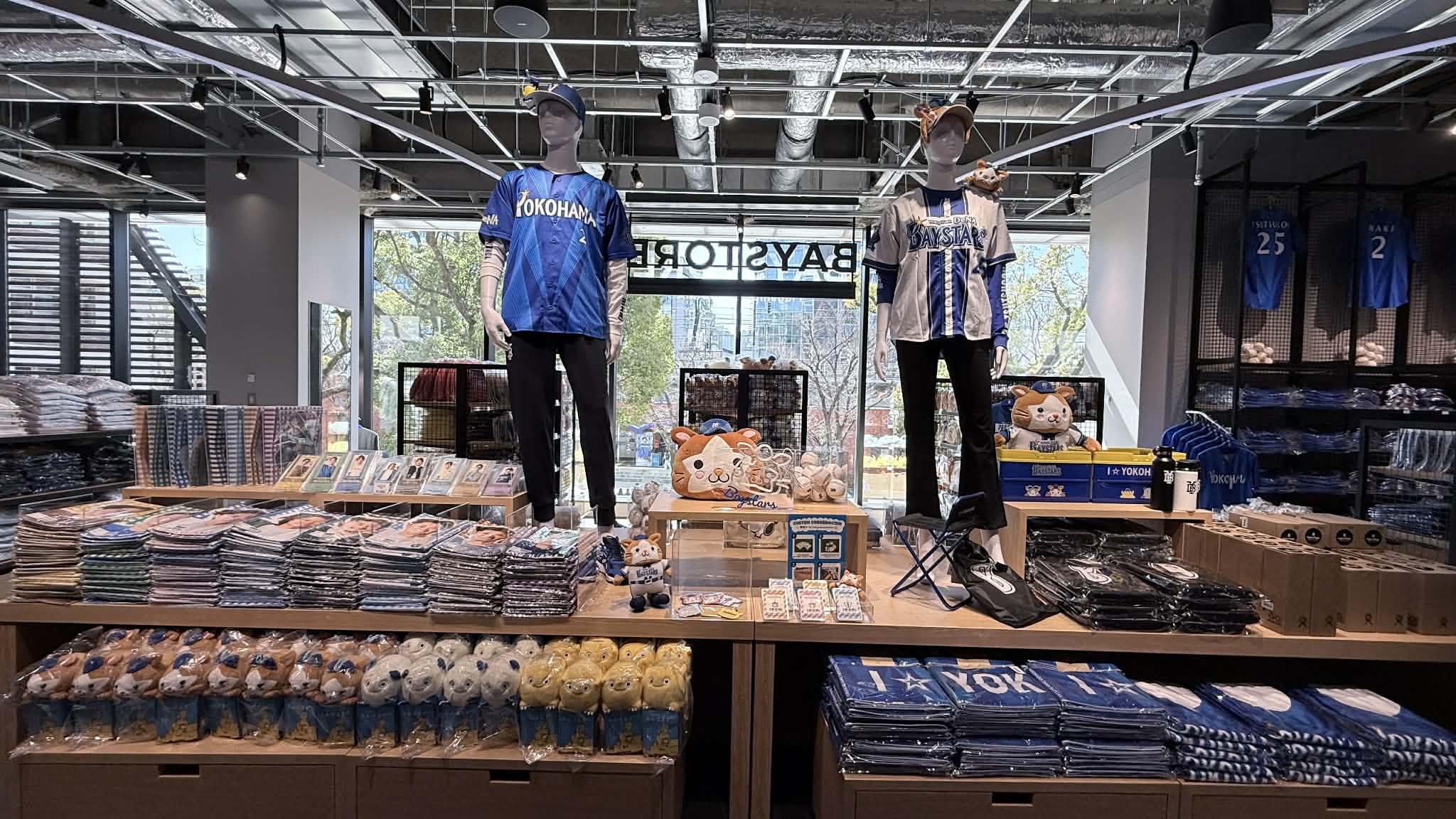
1st Floor: Food, 2nd Floor: Pro Sports Team Goods Shop, 3rd Floor: Restaurant with Terrace
<figcaption
BASEGATE Yokohama Kannai
BASEGATE Yokohama Kannai is a modern commercial and entertainment complex located in the historic Kannai district of Yokohama, Japan. It opened in 2020, built on the site of the former Yokohama Isezakicho Post Office, integrating the area’s history with contemporary dining, shopping, and event spaces. The development is part of the ongoing urban revitalization of Kannai, a key port area central to Yokohama’s opening to international trade in the 19th century.
Yokohama
Yokohama is a major port city in Japan, located south of Tokyo. It was a small fishing village until 1859, when it opened as one of Japan’s first international ports after the country ended its long period of national isolation, rapidly transforming into a hub for foreign trade and Western influence. Today, it is known for its historic waterfront area at Minato Mirai, Chinatown, and its blend of modern architecture with preserved Meiji-era buildings.
Honmoku
Honmoku is a coastal district in Yokohama, Japan, historically significant as one of the first areas opened to foreign settlement after the country ended its period of isolation in 1859. It is known for its international cemetery and the scenic Honmoku Sankeien Garden, a traditional Japanese landscape garden featuring historic buildings relocated from across Japan.
Kannai
Kannai is a central business and entertainment district in Yokohama, Japan, located near the city’s port. Historically, it was one of the first areas to open to foreign trade and settlement in the late 19th century after Japan ended its national isolation policy. Today, it is known for its Western-style historical buildings, government offices, and vibrant nightlife, blending its international heritage with modern urban life.
OMO7 Yokohama by Hoshino Resorts
OMO7 Yokohama is a modern urban resort hotel operated by Hoshino Resorts, located in the vibrant Minato Mirai district of Yokohama, Japan. It opened in 2020 as part of the brand’s “OMO” line, designed to immerse guests in the local city culture through curated neighborhood activities and guides. The hotel itself occupies a building with a history dating back to 1927, originally housing the Yokohama branch of the Bank of Japan, though the current structure is a contemporary redevelopment.
Yokohama City Hall
Yokohama City Hall is the main administrative center of Yokohama, Japan’s second-largest city. The current building, completed in 1928, is a notable example of early Showa-period architecture and was designated an Important Cultural Property of Japan in 2019. It replaced an earlier structure and continues to serve as the operational hub for the city’s government.
Murano Togo
Murano Togo is a renowned glassmaking studio located on the Venetian island of Murano, Italy, famous for its centuries-old tradition of artistic glass craftsmanship. Founded in the 20th century, it continues the historic legacy of Murano’s glassmakers, who have been creating prized glass art since the 13th century when the industry was centralized on the island for safety and secrecy. Today, the studio is celebrated for producing high-quality, innovative glass pieces, from intricate sculptures to elegant chandeliers.
Kannai Station
Kannai Station is a major railway station located in Yokohama, Japan, serving as a key transportation hub for the city’s central business and historical district. It first opened in 1872 as part of Japan’s first railway line, originally named “Yokohama Station” before the current terminal took that name in 1915. The station is notably close to several historic sites from the late Edo and Meiji periods, including the former Yokohama Specie Bank and the Kanagawa Prefectural Government Office.


 <figcaption