Shibuya is a bustling commercial and entertainment district in Tokyo, Japan, famously centered around the Shibuya Scramble Crossing, one of the busiest pedestrian intersections in the world. Historically, it developed from a small village into a major railway hub in the late 19th and early 20th centuries, with the iconic Hachikō statue commemorating a loyal dog and symbolizing the area’s deep connection to community and transit. Today, it
Tokyo
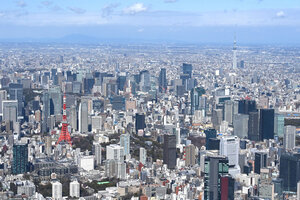
Tokyo, the capital of Japan, is a sprawling metropolis that seamlessly blends ultramodern skyscrapers with historic temples and shrines. Originally a small fishing village named Edo, it grew into a major political and cultural center after becoming the seat of the Tokugawa shogunate in 1603, and was renamed Tokyo (“Eastern Capital”) when Emperor Meiji moved the imperial court there in 1868. Today, it is a global hub for technology, fashion, and cuisine, while preserving landmarks like the Imperial Palace and Senso-ji Temple.
Imperial Palace
The Imperial Palace, located in the heart of Tokyo, Japan, is the primary residence of the Emperor of Japan. Built on the site of the former Edo Castle, which was the seat of the Tokugawa shogunate, the current palace was completed after World War II, incorporating modern structures while preserving historic gates and gardens. Though much of the inner grounds are closed to the public, the East Gardens and surrounding areas offer a glimpse into Japan’s imperial and feudal history.
Shibuya
Shibuya is a bustling commercial and entertainment district in Tokyo, Japan, famous for its iconic “Scramble Crossing” where pedestrians cross in all directions. Historically a small village, it grew into a major transportation hub after the opening of Shibuya Station in 1885, and became a symbol of youth culture and modernity in the post-war era. Today, it remains a vibrant center for shopping, dining, and nightlife, attracting millions of visitors each year.
Edo Castle
Edo Castle, located in present-day Tokyo, was the residence of the Tokugawa shoguns from 1603 to 1868 and served as the political heart of Japan during the Edo period. Originally built by Ōta Dōkan in 1457, it was vastly expanded by Tokugawa Ieyasu after his rise to power, featuring massive stone walls and moats. Today, the castle grounds are part of the Imperial Palace, with only a few original structures remaining, such as the watchtowers and gates.
Senso-ji temple
Senso-ji is a historic Buddhist temple located in Asakusa, Tokyo, making it the oldest temple in the city. According to legend, it was founded in 628 AD after two fishermen discovered a statue of Kannon, the goddess of mercy, in the Sumida River. Today, it remains a vibrant cultural landmark, famous for its iconic Kaminarimon (Thunder Gate) and bustling Nakamise shopping street.
Shibuya Crossing
Shibuya Crossing, located in Tokyo, Japan, is one of the world’s busiest pedestrian intersections, known for its iconic scramble crossing where dozens of people cross from all directions at once. Its history dates back to the late 19th century when it developed as a railway hub, but it gained global fame in the post-war era as a symbol of Tokyo’s vibrant urban culture and economic boom. Today, it remains a major tourist attraction and a cultural landmark, frequently featured in films and media.
Hachikō statue
The Hachikō statue is a famous bronze statue located outside Shibuya Station in Tokyo, Japan, commemorating the loyal Akita dog Hachikō. Hachikō is remembered for waiting at the station every day for nearly ten years after his owner’s death in 1925, until his own passing in 1935. The statue, first erected in 1934, has become an iconic meeting spot and a symbol of loyalty and devotion.
Shibuya Scramble Crossing
The Shibuya Scramble Crossing is a iconic pedestrian intersection in Tokyo, Japan, known for its massive, simultaneous crosswalks that allow people to flow in all directions when the lights turn green. Its history dates back to the late 19th century as a railway stop, but it gained fame in the post-war era as a symbol of Tokyo’s rapid modernization and economic boom. Today, it remains a bustling hub of activity, featured in countless films and media as a representation of urban energy.