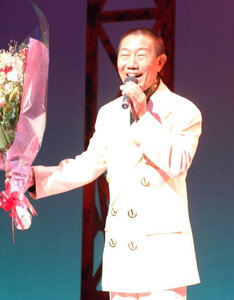
The feelings of young people who came to Tokyo for mass employment were famously sung by the late singer Hachiro Izawa in the hit song “Ah”. For years, its monument at JR Ueno Station in Tokyo was cherished by many, but due to various reasons, it was removed in January and February and will be relocated within the station this fiscal year. The organization that owns the monument states, “Even if the location changes, we hope people will continue to enjoy it.”
Carrying the scent of hometown somewhere, the nostalgic train arrives.
“Ah, Ueno Station” was released in 1964. At the height of the era, the term “mass employment” was a buzzword, referring to young people who came from rural areas to work after junior high school graduation. The lyrics by Yoshiaki Sekiguchi captured the emotions of young people leaving their hometowns for mass employment, and Izawa’s heartfelt singing made it a huge hit. It is considered one of the songs symbolizing postwar Japanese society.
The monument was installed near the Hirokōji exit of Ueno Station in July 2003. A committee led by former professional boxer Fighting Harada, the first Japanese to achieve world titles in two weight classes, raised donations and, with cooperation, set it up.
The monument is about 2.5 meters high…
JR Ueno Station
JR Ueno Station, located in Tokyo, opened in 1883 as one of Japan’s earliest railway stations, serving as a key gateway to northern Japan. It played a significant role in the city’s development and is famous for its connection to Ueno Park, a major cultural hub housing museums, a zoo, and cherry blossom viewing spots. Today, the station remains a bustling transit center, blending historical architecture with modern amenities.
Hirokōji exit of Ueno Station
The Hirokōji exit of Ueno Station in Tokyo is a historic gateway that connects to the bustling Ueno district, known for its cultural landmarks. Opened in 1883, Ueno Station is one of Japan’s oldest railway stations, and the Hirokōji exit has long served as a key access point to Ueno Park, home to museums, a zoo, and the iconic Shinobazu Pond. Its name reflects the nearby Hirokōji street, which has been a vibrant commercial and cultural corridor since the Edo period.
Ueno Station
Ueno Station, located in Tokyo, Japan, opened in 1883 as a key railway hub connecting the city to northern Japan. It played a significant role in the development of the Ueno area, which became a cultural center home to museums, temples, and Ueno Park. The station is also historically notable for its role in transporting goods and passengers during Japan’s rapid modernization in the Meiji era.