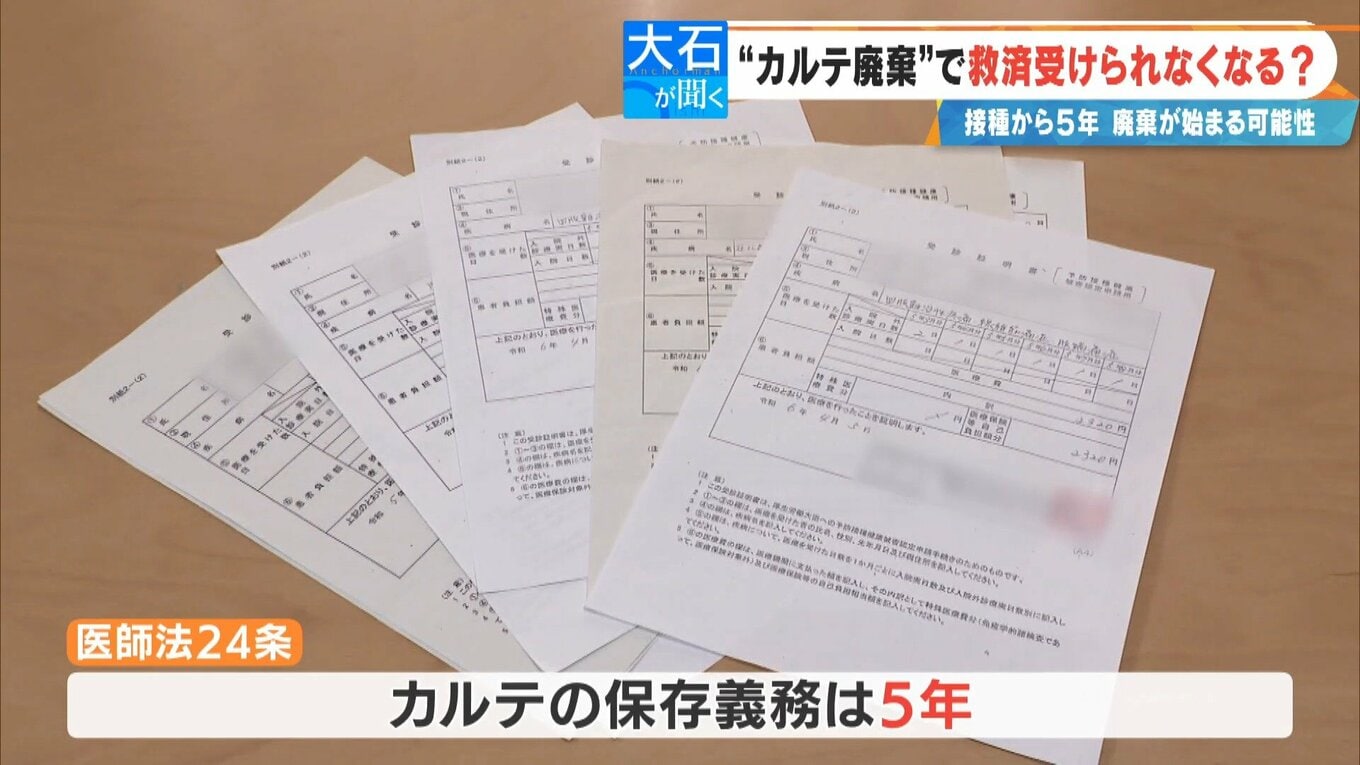
The medical records necessary to receive national relief for side effects of the COVID-19 vaccine may be disposed of in the future. In opposition to this, local government assemblies have begun to raise their voices.
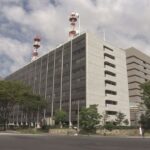
「I have come to the Osaka Prefectural Government building, which stands facing Osaka Castle. It turns out that the Osaka Ishin no Kai is set to submit a certain opinion paper to the prefectural assembly regarding the COVID-19 vaccine. What exactly is it about?」
At the Osaka Prefectural Assembly on December 17, 2025. The topic deliberated was the extension of the retention period for medical records concerning health issues after vaccination.
Under the Medical Practitioners’ Act, the mandatory retention period for medical records is 5 years. Therefore, for health issues after vaccination that began in February 2021, the medical records from visits to healthcare institutions may begin to be disposed of after February.
Osaka Prefectural Government building
The Osaka Prefectural Government Building, completed in 1926, is a notable example of early 20th-century Western-style architecture in Japan, built during the Taishō era. It was designed to symbolize Osaka’s modern civic pride and economic power, and its central tower has become a recognizable landmark in the city. Today, it continues to function as the administrative headquarters for Osaka Prefecture.
Osaka Castle
Osaka Castle is a prominent Japanese landmark originally constructed in the late 16th century by the powerful warlord Toyotomi Hideyoshi. Although destroyed and rebuilt several times throughout its history, the current main tower is a concrete reconstruction from 1931 that houses a modern museum. The castle stands as a symbol of Osaka’s historical significance and is surrounded by extensive, picturesque park grounds.
Osaka Prefectural Assembly
The Osaka Prefectural Assembly is the elected legislative body governing Osaka Prefecture, Japan. It was established in the Meiji era following the abolition of the feudal han system, with its modern form solidified by the Local Autonomy Law after World War II. The assembly is responsible for enacting local ordinances, approving the budget, and overseeing the prefectural administration from its main building in the Chūō-ku ward of Osaka City.
Osaka Ishin no Kai
Osaka Ishin no Kai is a regional political party in Japan, founded in 2010 and primarily active in Osaka Prefecture. It advocates for greater local autonomy and the reform of Osaka’s administrative structure into a metropolis similar to Tokyo. The party’s history is closely tied to the political career of its co-founder, Toru Hashimoto, and its central policy has been promoting the “Osaka Metropolis Plan.”
Medical Practitioners’ Act
The Medical Practitioners’ Act is not a specific place or cultural site, but rather a type of legislation. Historically, such acts are laws passed by governments to regulate the medical profession, typically by establishing official licensing bodies and standards to protect public health. For example, the landmark **UK Medical Act of 1858** created the General Medical Council, which first centralized the registration and oversight of qualified doctors in Britain.