The government is currently pushing to accelerate the Waste to Energy (WTE) program in several regions, aiming to create a cleaner and more energy-independent Indonesia.
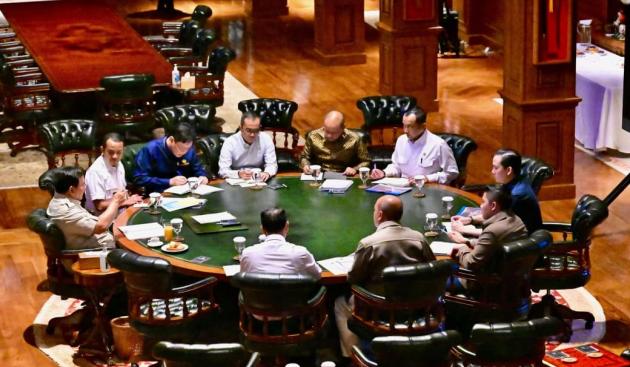
During a strategic meeting, the President received a direct report on the progress of the WTE program across Indonesia, particularly in major cities.
It was revealed that the main focus of this program is on areas with the highest waste burdens.
The President does not want to see neglected piles of waste in the regions anymore. He has instructed the central government to take direct action in integrating modern waste management technology.
“The President wants waste that has not been properly managed to be cleaned up, eliminated, and utilized as an energy source, especially electricity,” it was added.
This step is not merely about cleanliness. Through an integrated downstream approach, this WTE project is designed to provide sustainable alternative energy from domestic resources.
Furthermore, it will open up new job opportunities in the green technology sector and encourage cities in Indonesia to move towards an environmentally friendly future.