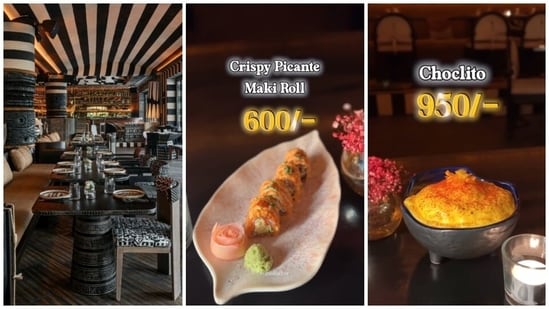
Influencer Anisha Dixit visited Shilpa Shetty’s restaurant in Mumbai and tried their best vegetarian dishes. Here’s what each dish costs and its rating.
Located in Lower Parel, Mumbai, the restaurant Inka by Bastian calls itself a bold, chef-led space where they reimagine Peruvian-Asian cuisine with flair and finesse. On May 24, influencer Anisha Dixit posted a video in which she tasted and rated the restaurant’s best vegetarian dishes. She also shared the cost of the meal and gave a glimpse inside the eatery:
A tour of Shilpa Shetty’s restaurant
The exterior of the restaurant is as quirky as the tastefully done interiors. Dressed in monochrome walls and accentuated with warm wooden panels, a back-lit bar, large sculptures, and chic lamps, the 200-seater space has an open-air mezzanine level.
Designed by Minal Chopra, the 6000-square-foot space feels like you have entered a Bohemian beach club right in the bustling streets of Mumbai. Meanwhile, the furniture leans heavily into style and comfort, featuring pastel upholstery, woven fabrics, and deep-tufted leather sofas.
The cost of a vegetarian meal at Inka
In the video, Anisha Dixit sampled four of the restaurant’s signature vegetarian dishes, a dessert, and one mocktail. The content creator highlighted that the place was fully packed when she visited, and also, the selection was a theatrical performance in itself, with many dishes featuring immersive service.
She kicked off her experience with a Suika Punch, a fusion of fruity watermelon and zesty jalapenos. Priced at ₹700, she enjoyed the bold flavour contrasts and rated it a fantastic 9 out of 10. Next, she was served Choclito, which cost ₹950, another bold fusion dish, featuring foam on top and crispy corn on the inside, which she again rated 9 out of 10. Her server also revealed that Shilpa Shetty’s favourite dish at the restaurant was this one.
Next on the menu, for the main course, was the crispy picante maki roll, which, according to Anisha, cost ₹600. She described it as crispy on the outside and overachieving on the inside. With a filling of avocado, mango, and cucumber, the dish was perfectly balanced and stole the spotlight. She gave it 8.5 out of 10.
She was also served a unique dish called the cauliflower a la brasa, priced at ₹800, though it was unimpressive because the cauliflower was overcooked. She gave it a 6.5 out of 10. The star of the evening was the dessert: cinco leches with nitrogen ice, priced at ₹950. The cake, which she rated 9.5, was soft and creamy, with a burst of pineapple flavours.
The final tab: for a total of five items (three dishes, one dessert, and one mocktail), Anisha’s bill came to ₹4,672, making Inka a fairly upscale restaurant.
Inka by Bastian
“Inka by Bastian” is a renowned restaurant in Cusco, Peru, celebrated for its modern takes on traditional Peruvian cuisine. Founded by celebrated chef Bastian, the establishment blends ancient Inca ingredients and techniques with contemporary culinary artistry. Since opening, it has become a cultural landmark, offering diners a taste of Peru’s rich history through innovative dishes.
Mumbai
Mumbai, formerly known as Bombay, is a vibrant coastal city and the financial capital of India. Originally a group of seven islands inhabited by fishing communities, it was ceded to the British in the 17th century, who developed it into a major port and trading hub. Today, Mumbai is a bustling metropolis famous for Bollywood, its colonial architecture, and its status as a melting pot of cultures.
Lower Parel
Lower Parel, a district in Mumbai, India, was historically a hub for the city’s textile industry, with numerous mills operating during the late 19th and early 20th centuries. Following the decline of the mills in the 1980s, the area underwent rapid redevelopment and is now a major commercial and entertainment district, known for its upscale shopping malls, restaurants, and high-rise office buildings.
Peruvian-Asian cuisine
Peruvian-Asian cuisine, known as “Nikkei” (Japanese-Peruvian) and “Chifa” (Chinese-Peruvian), blends traditional Peruvian ingredients with Asian cooking techniques and flavors. This fusion emerged in the late 19th and early 20th centuries when Japanese and Chinese immigrants settled in Peru, adapting their native dishes to local produce like quinoa, aji peppers, and seafood. Today, it is celebrated worldwide for innovative dishes such as tiradito (a Nikkei take on ceviche) and lomo saltado (stir-fried beef with Chinese influences).
Bohemian beach club
Bohemian Beach Club is a popular seaside destination known for its vibrant, relaxed atmosphere and stunning ocean views. Originally established as a modest beachfront hangout, it has evolved over the years into a stylish venue featuring live music, dining, and social events. Its history reflects the area’s transformation from a quiet coastal spot into a trendy hub for locals and tourists alike.
Suika Punch
Suika Punch is a Japanese soft drink brand known for its watermelon-flavored soda, first introduced in the 1960s. It has become a nostalgic symbol of summer in Japan, often associated with festivals and retro candy shops. The drink’s playful name and distinctive packaging reflect the post-war era’s embrace of Western-style carbonated beverages.
Choclito
Choclito is a small, historic neighborhood in the city of La Paz, Bolivia, known for its colorful, tightly packed houses built into a steep hillside. Its name derives from the Aymara word “ch’uqi,” meaning potato, reflecting its indigenous roots and role as a traditional market area for local farmers. Today, it remains a vibrant cultural landmark, offering a glimpse into the city’s pre-colonial and colonial past through its narrow, winding streets and community life.
cinco leches
“Cinco leches” is a lesser-known variation of the popular Latin American dessert “tres leches” cake, which consists of a sponge cake soaked in three types of milk. The “cinco leches” version incorporates two additional milks or cream-based ingredients, such as evaporated milk, condensed milk, heavy cream, and sometimes coconut milk or dulce de leche, creating an even richer and more decadent flavor. While not as historically documented as its predecessor, it likely emerged as a modern twist in home kitchens or bakeries seeking to elevate the traditional dessert.