Indore-based edtech startup ‘Padhle’ has secured an undisclosed investment from the US-based global education technology company ‘Filadd’.
Alongside the investment, the two companies announced a strategic partnership to launch a new generation, technology-driven platform for NEET exam preparation in India. This initiative is seen as a significant step towards challenging the country’s high-fee traditional coaching model.
Filadd has provided online education services in several countries including Chile, Brazil, Argentina, and Colombia. The company is now expanding into the Indian education market with its advanced digital infrastructure and global experience.
From YouTube to a Rapidly Growing Platform
‘Padhle’ began as a YouTube channel during the COVID-19 pandemic in 2020, providing free academic content for Class 9 and 10 students. Due to its simple and student-relatable teaching style, the platform quickly gained popularity among Gen-Z learners.
Currently, ‘Padhle’ operates on a freemium model, which includes:
• Free education via YouTube
• Structured paid courses on mobile app and website
• Availability on Android, iOS, and web
The platform runs distinct academic verticals such as ‘Padhle.in (Class 9–10)’, ‘Padhle Tenthies’, ‘Just Padhle’, and ‘Padhle NEET’.
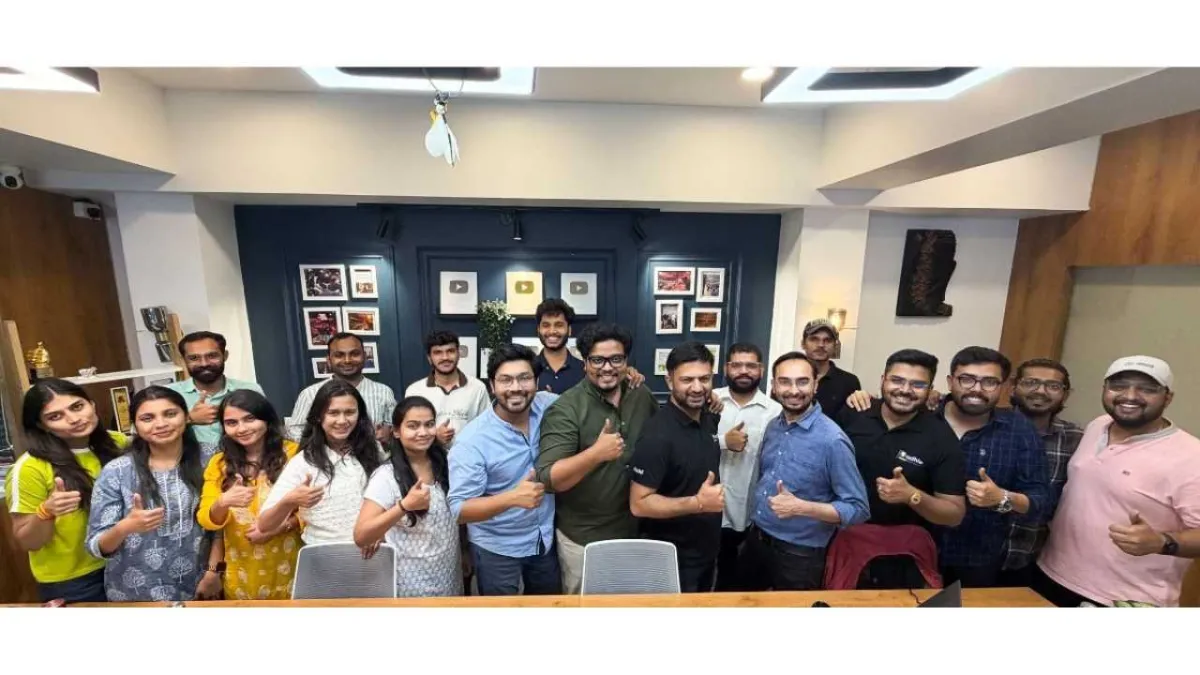
Over the past few years, the startup has grown consistently and now has an in-house team of approximately 25–30 professionals, including teachers, academic strategists, tech developers, content creators, and student support specialists, working together to enhance the learning experience.
Moving Beyond the Traditional Online Model
While India’s edtech sector expanded rapidly and digital education gained widespread acceptance, over time many platforms became limited to large-scale enrollment and a uniform content delivery model. Massive batches, recorded lectures, and limited personal guidance became the industry norm.
‘Padhle’ is working to chart a different course from this traditional framework.
The new NEET initiative focuses on limited batch admissions, ensuring each student receives personal attention and measurable academic improvement, rather than focusing solely on numbers-based enrollment. The company presents itself as an evolving education platform that continuously adapts its model based on student performance data, behavioral patterns, and feedback.
Following the funding, ‘Padhle’ has strengthened its academic foundation by onboarding experienced teachers and subject experts from across the country.
Entering the NEET Study Arena with Global Collaboration
With over 2 million candidates taking NEET each year, India’s medical entrance preparation market remains highly competitive, dominated largely by expensive offline coaching institutes and standard digital formats.
Industry observers note that many edtech platforms have become quite monotonous, relying on mass enrollment models with limited personalization. However, Padhle positions itself as an evolving platform that continuously adapts to student needs, integrates feedback, and innovates beyond conventional online coaching structures.
The ‘Padhle–Filadd’ collaboration aims to present a technology-driven alternative model, which will include the following key features:
• AI-based personalized study plans
• Dedicated one-to-one mentorship
• Data-driven performance analysis
• Affordable program/course fees
• Customized study material based on individual student strengths and weaknesses
• Structured mental health and performance counseling system
Additionally, 24×7 mentor availability and a real-time doubt resolution system are being implemented to ensure continuous guidance throughout the entire preparation period.
Special Focus on Academic Pressure and Mental Health
NEET preparation often comes with intense academic pressure, leading to stress and anxiety becoming common challenges among students. To address this systematically, the program includes dedicated mental health specialists, bookable personal counseling sessions, and continuous mental health monitoring—a structured support system often absent in traditional coaching models.
This partnership is not merely about funding but is a crucial step towards building the most personalized and student-centric NEET preparation ecosystem in India. The belief has always been that education should adapt to the student, not the other way around.
With Filadd’s global expertise and technological infrastructure, it