Ghana has recorded 14 arrests related to the spread of fake news and verbal violence in less than 16 months, nearly double the number documented during the entire previous eight-year term of former President Nana Akufo-Addo. This surge has sparked a heated debate in one of West Africa’s most stable democracies about whether authorities are simply enforcing long-standing laws in a new digital environment or sliding toward a more restrictive approach to public discourse.
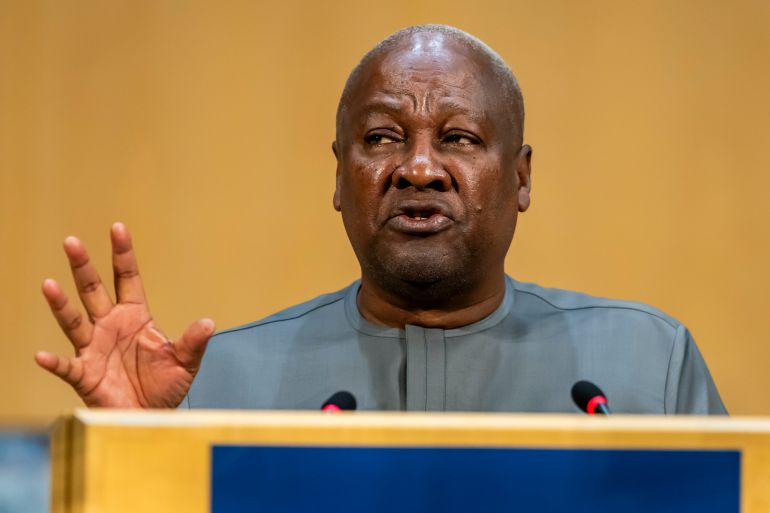
The debate carries additional political weight because President John Mahama warned in 2022, while in opposition, that using state power to intimidate opponents represented a “dangerous scheme” for democracy.
Government: Law Enforcement, Not Suppression
A senior official from the ruling party denied that the arrests amount to a crackdown, stating that “the opposition deliberately funds people to insult the president, and when the law catches up with them, they claim persecution to score cheap political points.” He cited the case of activist Prince Ofori, known as “Fanti Comedy,” who was arrested last August over alleged threats against President Mahama, adding that Ofori appeared at a political rally alongside opposition figures days after his arrest.
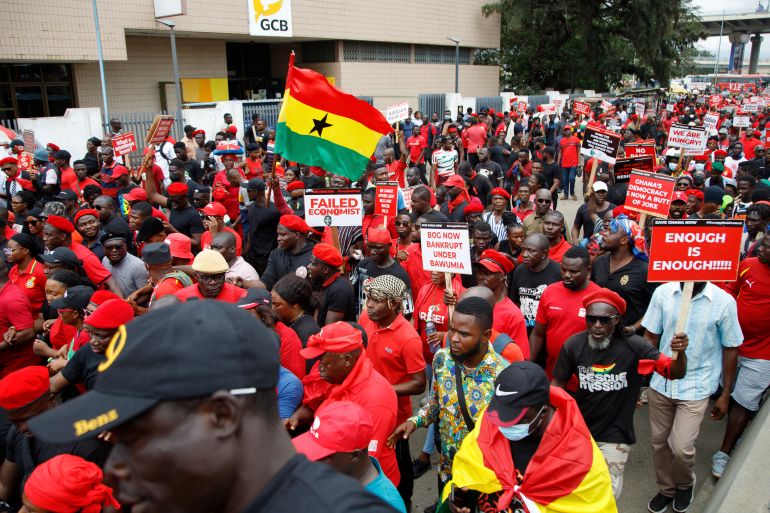
A Warning Sign for Democracy
In contrast, opposition leaders find the situation more alarming. Minority leader Alexander Afenyo-Markin has been among the most vocal critics, stating that “state-sponsored persecution must stop; arresting citizens for words that do not constitute real threats is not justice, but intimidation.” He acknowledged that freedom of speech has limits but argued that the state is “increasingly crossing the line,” warning that “the excessive use of state power threatens to undermine Ghana’s hard-won democratic gains.”
Where Is the Line Drawn?
The debate centers on old provisions in Ghana’s criminal code and the Electronic Communications Act, which authorities say are now being applied to a rapidly changing digital space. Government supporters argue that the rise in arrests reflects the explosion of anonymous and unregulated online content, while critics say the problem lies not in the laws but in how they are used.
A legal consultant who reviewed recent cases said he counted at least 16 instances of alleged misuse of Section 208 within 18 months, compared to about a dozen cases in the previous eight years, and believes that “the law has been abused beyond repair, and repeal is the only solution.”
Veteran journalist Ben Epson called for a clearer definition of the boundary between free speech and harm, stating that “the government must properly explain the arrests so that people can draw the line between press freedom and responsible journalism,” warning that journalists and state institutions might overstep if the rules remain vague.
Tiga King from the World Peace Union in Ghana said concerns about shrinking civic space are not unique to Ghana, noting that “global civic space should entrench more freedom of speech, not reduce it,” and that what is needed is stronger institutions, not more arrests, through “independent courts, transparent enforcement, media self-regulation, and digital literacy.”
David Adofo from the African Chamber of Content Producers pointed to a “lack of constitutional education among many Ghanaians; people need to know the consequences of their actions before they act, not after.” Nana Kofi Oboku-Agyeman from the Nogana Diaspora Centre said concerns about “erosion of press and political freedoms” have reached the diaspora, especially news of blogger arrests, urging the government to be cautious not to project a “negative image of Ghana.”
A Political Paradox at the Heart of the Scene
Ghana remains one of West Africa’s most open democracies, but the rise in speech-related arrests has increased scrutiny of the limits of state intervention in the digital space. The report brought back to the forefront Mahama’s earlier statements describing the use of state power against opponents as a “dangerous scheme,” while critics today say his government faces accusations he once condemned. Minority leader Alexander Afenyo-Markin concluded that “President Mahama has an opportunity to
<div class="my-