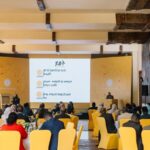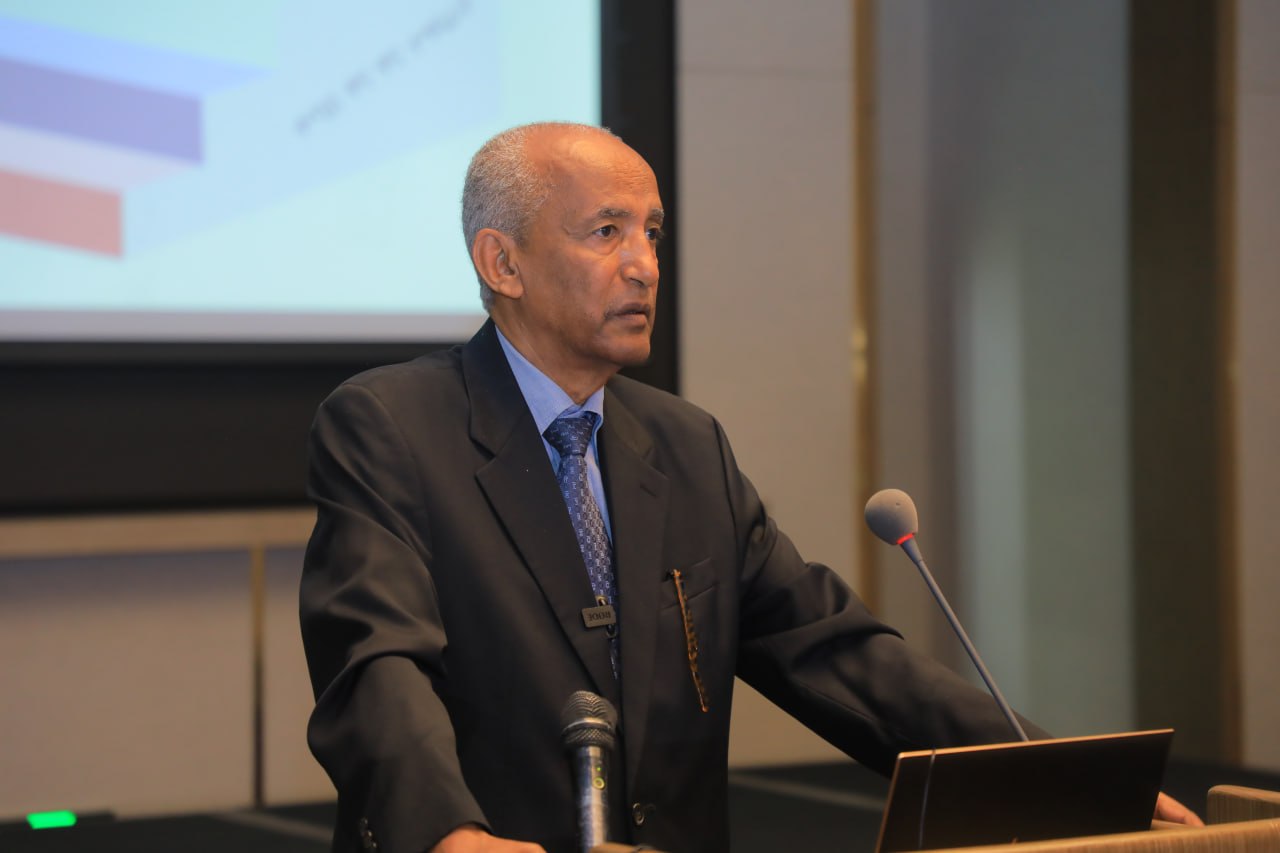
During the meeting, the Chief Commissioner provided a briefing to the participants on the commission’s main activities, achievements, and challenges faced, as well as the role played by religious institutions and civil society organizations in supporting the dialogue process.
The Chief Commissioner emphasized that the participation of local communities, starting from the “Woreda” level up to higher levels, reflects the inclusiveness of the national dialogue process.
He explained that the fundamental discussions held with broad citizen participation demonstrated a sense of community ownership of the dialogue and contributed to addressing long-standing disagreements and differences.
The Chief Commissioner revealed that 93 percent of the country’s “Woreda” areas have already participated in the dialogue process.
He added that religious institutions and civil society organizations played an important role throughout the various stages of this process.
The head of the Ethiopian Civil Society Organizations Council emphasized the importance of national dialogue in achieving national consensus.
He added that sustainable peace is not achieved through political platforms alone, but through inclusive and peaceful dialogue involving everyone.
He affirmed that civil society organizations will continue to play their role to ensure the success of the national dialogue process.
Religious institutions and civil society organizations are expected to submit their feedback and proposals on the agenda items proposed by the commission for the national dialogue conference.