Addis Ababa
The World Health Organization and the African Union have called for intensified and coordinated regional and international efforts to contain the Ebola outbreak in the Democratic Republic of the Congo and Uganda, amid growing concerns over the health and humanitarian consequences of the continued spread of the disease in areas facing complex security and health challenges.
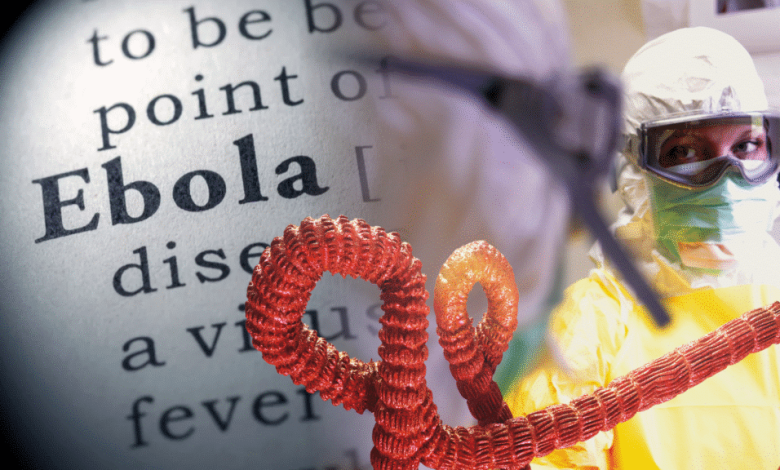
According to the World Health Organization, the current outbreak is linked to the “Bundibugyo” strain of the Ebola virus, one of the rare strains for which no approved vaccine or licensed specific treatment is yet available, further complicating containment and field response efforts.
The organization explained that the first cases related to the outbreak were detected in the Mungbalu health zone in Ituri province, eastern Democratic Republic of the Congo, in late April. This is a mining area with high population density and significant movement. Preliminary investigations indicate that transmission was linked to traditional burial ceremonies held for a person who died after showing severe symptoms, before the infection spread to members of the local community and a number of healthcare workers.
The Director-General of the World Health Organization confirmed that the organization is “deeply concerned” about developments in the health situation, given the continued recording of suspected cases and deaths related to the disease, along with challenges related to weak health infrastructure and difficulty accessing some affected areas.
According to the organization’s data, hundreds of suspected cases and dozens of deaths have been recorded in the affected areas, while response teams continue to conduct contact tracing, strengthen epidemiological surveillance systems, and expand laboratory testing capacity.
Health authorities in Uganda have also confirmed cases related to infection among individuals arriving from the Democratic Republic of the Congo, including one death, as health authorities continue to implement surveillance and tracing measures to prevent wider transmission.
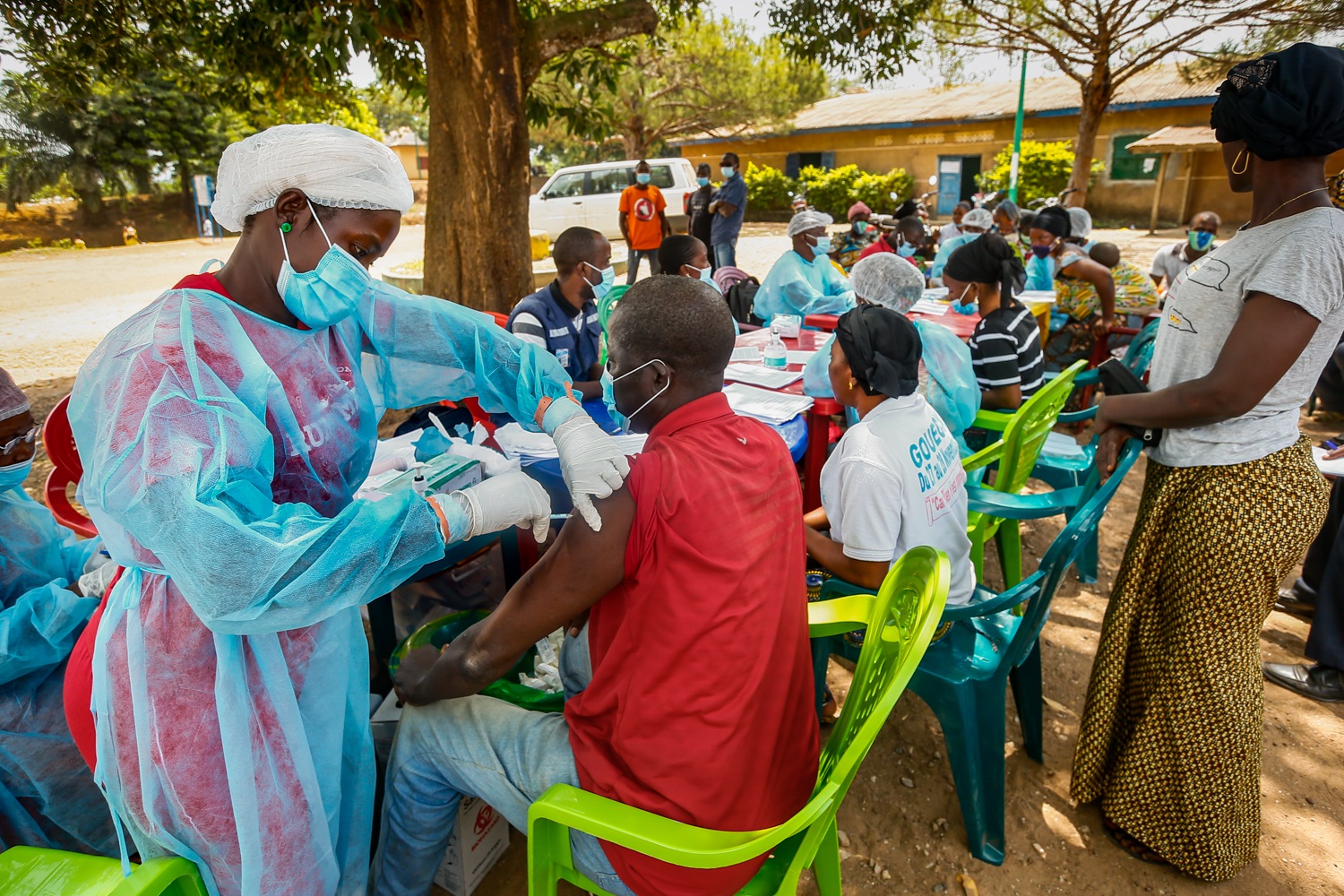
Health experts have indicated that the current outbreak raises increasing concerns due to the lack of an approved vaccine for the current strain, ongoing armed conflicts in some affected areas, weak health systems, difficulty in tracing contacts, and continued cross-border population movement.
In this context, the Chairperson of the African Union Commission sent a message to African heads of state and government calling for enhanced continental solidarity and coordination of joint efforts to confront the Ebola outbreak, emphasizing the importance of collective action to protect health security on the continent.
The Africa Centres for Disease Control and Prevention welcomed the pledge by the South African government to provide $2.5 million to support Ebola control efforts in the Democratic Republic of the Congo and Uganda, through the Africa Epidemic Control Fund affiliated with the Africa Centres for Disease Control and Prevention.
The Africa Centres expressed appreciation to the people and government of South Africa, and to the country’s president, in his capacity as the African Union Champion for Pandemic Prevention, Preparedness, and Response, praising the initiative, which it said embodies the spirit of leadership, solidarity, and commitment to strengthening public health security in Africa.
The Centre stated in a statement that South Africa’s contribution “sends a strong and reassuring message that Africa stands united to protect the lives and well-being of its people,” affirming that this step contributes to strengthening health security and African sovereignty in public health.
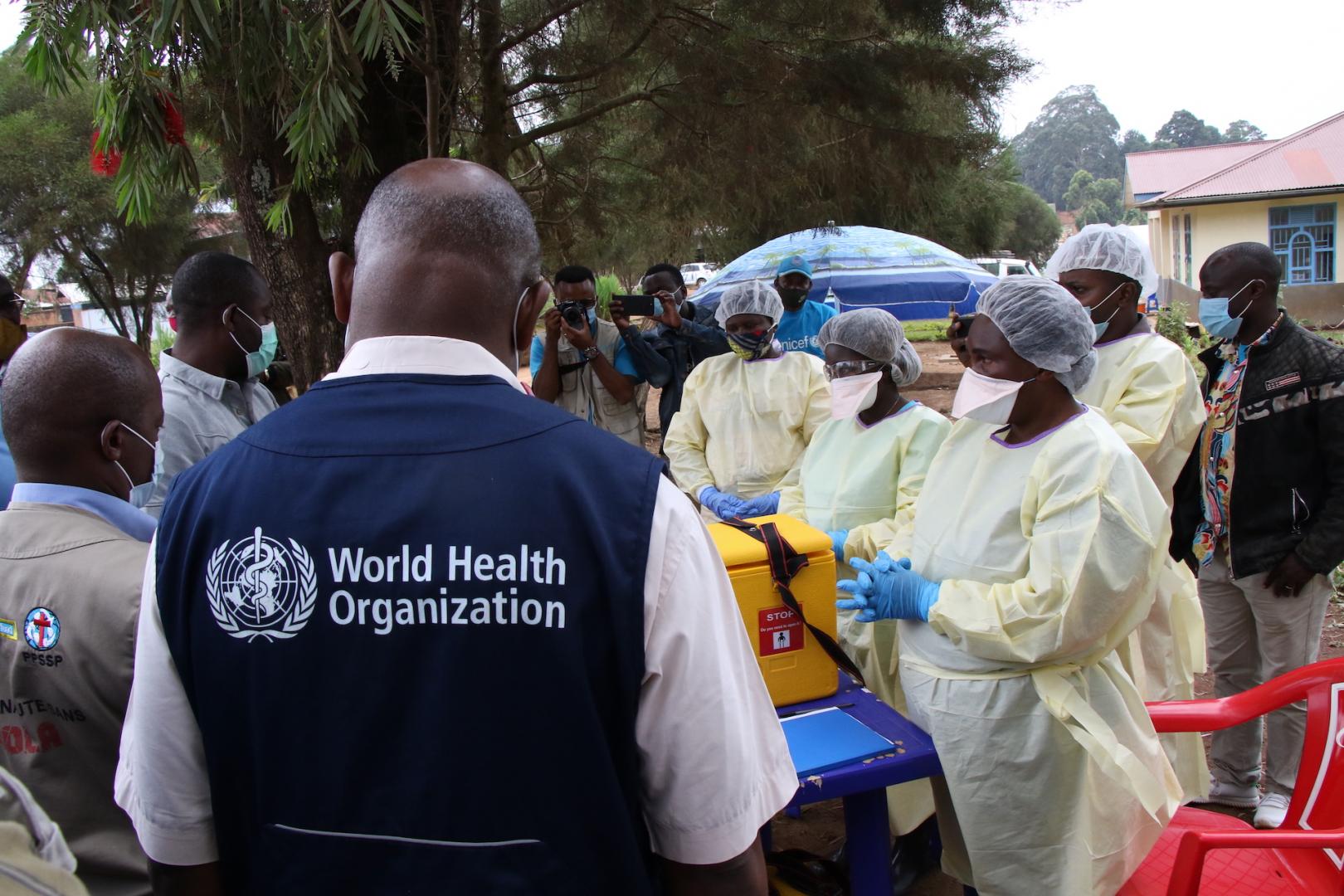
The statement added that the support will be used to enhance coordination and epidemiological surveillance, strengthen laboratory systems, accelerate the deployment of response teams, support infection prevention and control measures, enhance cross-border preparedness, and support communities affected by the outbreak.
The World Health Organization had declared a public health emergency of international concern, warning that the risk of regional spread remains high, particularly in neighboring African countries, while confirming that the situation is not yet classified as a global pandemic.
The organization, in cooperation with its international and regional partners, continues to deploy medical teams, mobile laboratories, and protective equipment in affected areas, as health officials affirm that containing the outbreak will depend on the speed of international response, enhancing testing and surveillance capacities, and providing the necessary funding to support health systems and affected communities.
<