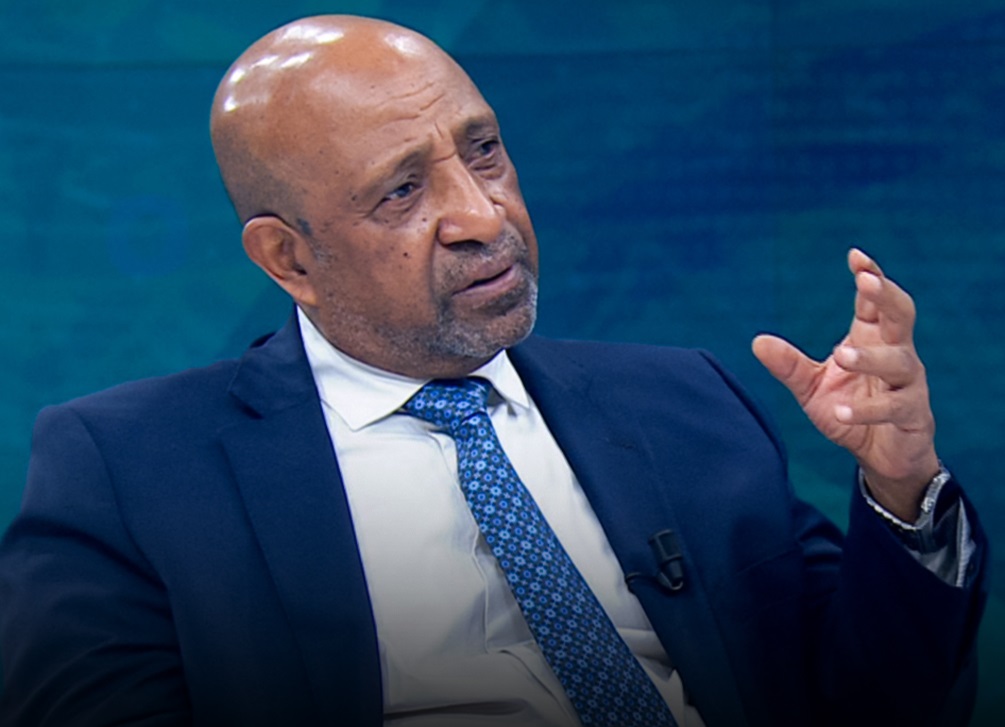
In an exclusive interview, Berhanu Nega described the current situation as a convergence of multiple global disturbances, referring to it as a “comprehensive crisis” caused by the collapse of established ideologies, climate change, the fracturing of global institutions, and rapid technological progress.
He warned that Africa cannot afford a repeat of the marginalization it suffered during previous global transformations, pointing out that a “hidden shift” is occurring worldwide.
He emphasized Africa’s need for a new generation of leaders capable of guiding the continent through the major crisis.
His statements highlighted a growing awareness among African policymakers that investing in education is not merely a social goal, but a strategic necessity in a world characterized by increasing uncertainty and rapid development.
He noted that this transformation increases the risks of conflict and obliges small nations to navigate global competition for influence with caution.
He stressed the necessity for Africa to use the coming decades as a strategic opportunity to strengthen its economic foundations, including agricultural productivity, food self-sufficiency, energy independence, and local production.
He called for a radical reform of education systems, emphasizing that education must be comprehensive and inclusive, reaching every child and not just a small elite, as talent can emerge from anywhere.
He added that education on the African continent must combine solid foundations in science and mathematics, moral education, a deep knowledge of African societies, and the ability for independent thinking.
He said: “This is a matter of survival for future generations. We cannot take it lightly if we understand the dangers that await us.”