

Guangdong products travel the world. At 11:30 AM on April 21st, a special live stream event will explore the origins of Zhimeizhai. A recent visit to Yangxi County in Yangjiang City, known as the “Capital of Chinese Condiments,” explored Zhimeizhai’s new production base there. The visit traced how the aroma of this sauce, which has accompanied Guangdong families for four hundred years, is intelligently crafted.
Guangdong
Guangdong is a coastal province in southeastern China with a history dating back over 2,000 years, historically known as a key terminus of the Maritime Silk Road. It is renowned as a major economic powerhouse and the heartland of Cantonese culture (language, cuisine, and opera). Its capital, Guangzhou, has long been one of China’s most significant international trading ports.
Zhimeizhai
Zhimeizhai is a traditional Hakka tulou (earthen building) located in Yongding County, Fujian Province, China. Built during the Qing Dynasty (around the 17th-19th centuries), it is a circular, fortified communal residence designed for defense and clan living, showcasing the unique architectural and social heritage of the Hakka people. Today, it is part of the Fujian Tulou UNESCO World Heritage Site, preserved as a historical and cultural landmark.
Yangxi County
Yangxi County is a coastal county located in Guangdong Province, China, historically known as part of the Yangjiang prefecture. Its history is closely tied to maritime activities and it is recognized for its cultural heritage, including the renowned **Yangxi Lacquerware**, a traditional craft with a history spanning over 300 years. The area also features natural attractions like its coastline and is part of the broader cultural landscape of western Guangdong.
Yangjiang City
Yangjiang City is a coastal prefecture-level city in Guangdong Province, China, historically known as a regional administrative center since the Qin and Han dynasties. It is most famous today as the “Hometown of Knives and Scissors,” with a centuries-old metalworking tradition, and for its scenic beaches like Hailing Island. The city also preserves unique cultural elements, such as the “Yangjiang Kite” craft, which is recognized as national intangible cultural heritage.
Capital of Chinese Condiments
“Capital of Chinese Condiments” is a nickname for **Fuling District in Chongqing, China**, historically renowned as a major production center for **Fuling Zhacai**, a distinctive pickled mustard tuber. Its history dates back over a century, with industrialized production beginning in the late Qing Dynasty, and it remains a globally recognized specialty tied to the region’s unique climate and Yangtze River traditions.
Zhimeizhai
“Zhimeizhai” (知梅斋) is a traditional Chinese-style pavilion or study located in the West Lake scenic area of Hangzhou, Zhejiang province. Its name, meaning “Knowing the Plum Study,” reflects the classical
Guangdong
Guangdong is a coastal province in southeastern China with a history dating back over 2,000 years, historically known as a major terminus of the Maritime Silk Road. It is a global economic powerhouse today, famed as the heart of the Pearl River Delta and the pioneering region of China’s reform and opening-up policy in the late 20th century. Its vibrant culture, centered in cities like Guangzhou and Shenzhen, is deeply influenced by its role in international trade and its distinct Lingnan (Cantonese) heritage, including language, cuisine, and opera.
Zhimeizhai
“Zhimeizhai” (知美斋) is a traditional Chinese residential compound, most famously referring to the former home of the prominent late Qing Dynasty and early Republic-era scholar and calligrapher, Wu Changshuo, located in Anji County, Zhejiang Province. Built during the Qing Dynasty, it served as his residence and studio where he created many of his artistic works. Today, it is preserved as a cultural site that reflects classical Jiangnan architecture and commemorates his legacy in Chinese art.
Yangxi County
Yangxi County is a coastal county located in Guangdong Province, China, historically known for its role in maritime trade and as a production area for traditional ceramics. Its history is deeply connected to the broader Lingnan region, with cultural influences visible in its local customs and historic sites. Today, it is also recognized for its natural hot springs and developing tourism industry.
Yangjiang City
Yangjiang City is a coastal prefecture-level city in southwestern Guangdong Province, China, historically known as a regional trading and fishing port. Its recorded history dates back over 1,500 years, and it is famously recognized as the “Hometown of Knives, Scissors, and Kitchenware” for its centuries-old metalworking industry. Today, it is also a growing tourist destination, noted for its beaches, such as at Hailing Island, and its unique cultural heritage, including the “Yangjiang Kite” tradition.
Capital of Chinese Condiments
The “Capital of Chinese Condiments” refers to the city of **Yuncheng in Shanxi Province**, historically famed as the birthplace of vinegar brewing in China over 2,400 years ago. Today, it remains a major national production hub for high-quality aged vinegar, along with soy sauce and other fermented seasonings, deeply rooted in the region’s agricultural and culinary traditions.
Maritime Silk Road
The Maritime Silk Road was an ancient network of sea routes connecting China with Southeast Asia, the Indian Ocean, the Middle East, and East Africa, primarily active from the 2nd century BCE to the 15th century CE. It facilitated the exchange of goods like silk, porcelain, and spices, as well as technologies, religions, and cultures across vast distances. Its legacy is revived today in China’s modern “Belt and Road Initiative,” which seeks to enhance global trade and infrastructure connectivity.
Cantonese culture
Cantonese culture originates from Guangdong province in southern China, centered around the city of Guangzhou (historically known as Canton) and the Pearl River Delta. It has a long history as a major maritime and commercial hub, which fostered a distinct regional identity expressed through its Yue (Cantonese) language, cuisine like dim sum, and traditions such as Cantonese opera. Its global diaspora, particularly from the 19th century onward, has significantly spread its cultural influence worldwide.
Guangzhou
Guangzhou, historically known as Canton, is a major port city in southern China and the capital of Guangdong province. With a history spanning over 2,200 years, it served as a key terminus of the ancient Maritime Silk Road and was long one of China’s primary gateways for international trade. Today, it is a modern metropolis renowned for its Cantonese cuisine, the iconic Canton Tower, and hosting the Canton Fair, the country’s largest trade exhibition.
Related news

Meng Fanli has been elected as the Governor of Guangdong Provincial People’s Government.
Guangdong Province Fourteenth People's Congress An...
Measuring the World’s Breadth with Your Feet, Exploring Over 50 Countries to Write About a “Slow World”.
Your location: > >
Recently, the cultural b...
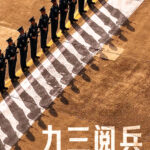
Seven Days Until the Military Parade: A Glimpse of China’s Formation on the Training Ground
Seven days until the September 3 military parade
P...
From beans to cups: Jiangmen builds a complete coffee industry chain system
↑ On May 25, at Senlan Coffee Estate in Kaiping, J...
Tunisia’s third-quarter GDP annual growth rate slowed to 2.4%.
In the third quarter of 2025, Tunisia's gross dome...