
Guangdong goods go global
Media hot reviews
Guangdong goods
“Guangdong goods” refers to products manufactured in China’s Guangdong Province, particularly those from the Pearl River Delta region, which have been known for their quality and innovation since the late 20th century. Historically, Guangdong has been a key trading hub since the Silk Road era, and its modern “goods” gained prominence during China’s reform and opening-up in the 1980s and 1990s, becoming synonymous with consumer electronics, apparel, and household items exported worldwide. The term reflects the province’s role as a global manufacturing powerhouse and its cultural influence through accessible, stylish commodities.
Media hot reviews
“Media hot reviews” is not a specific place or cultural site but rather a term referring to trending critiques or analyses of popular media, such as films, TV shows, or music. These reviews often emerge from online platforms, social media, or entertainment news outlets, reflecting current public opinion and cultural discourse. While not tied to a physical location, they represent a modern, digital-era phenomenon where audiences and critics shape the conversation around media consumption.
Guangdong Province
Guangdong Province, located on the southern coast of China, has a rich history as a major trading hub dating back to the Qin Dynasty. It was a key region along the Maritime Silk Road and later became the birthplace of modern Chinese revolutionary movements, including the Xinhai Revolution led by Sun Yat-sen. Today, it is known for its vibrant Cantonese culture, economic powerhouse cities like Guangzhou and Shenzhen, and its role as a gateway for international trade and migration.
Pearl River Delta
The Pearl River Delta is a low-lying region in southern China where the Pearl River flows into the South China Sea, encompassing major cities like Guangzhou, Shenzhen, and Hong Kong. Historically a network of agricultural villages and trading ports, it has transformed since the late 20th century into one of the world’s most dynamic manufacturing and economic hubs, driven by China’s economic reforms and foreign investment. Today, it is known for its dense urbanization, thriving export industries, and significant cultural and economic influence.
Silk Road
The Silk Road was an ancient network of trade routes that connected East Asia, the Middle East, and Europe, facilitating the exchange of goods, cultures, and ideas for over 1,500 years. Its history dates back to around the 2nd century BCE, when the Han Dynasty of China expanded trade westward, and it flourished until the 15th century, when maritime routes gained prominence. The Silk Road not only transported silk and spices but also spread religions, technologies, and art across continents, shaping global civilization.
Guangdong Province
Guangdong Province, located on the southern coast of China, has a rich history as a major center for maritime trade and cultural exchange, particularly through the historic port city of Guangzhou. It was a key region during the Qing Dynasty and later became the birthplace of modern Chinese revolutionary movements, including Sun Yat-sen’s efforts to overthrow imperial rule.
Guangdong Province
Guangdong Province, located on the southern coast of China, has a rich history as a key hub for maritime trade and cultural exchange, particularly through the ancient Maritime Silk Road. It was the birthplace of the Xinhai Revolution, which ended imperial rule in China, and its capital, Guangzhou, was a major port for foreign trade. Today, Guangdong is known for its economic vitality, Cantonese cuisine, and unique Lingnan culture.
Pearl River Delta
The Pearl River Delta is a low-lying region in southern China where the Pearl River flows into the South China Sea, encompassing major cities like Guangzhou, Shenzhen, and Hong Kong. Historically a network of fishing villages and agricultural land, it transformed into a global manufacturing and economic powerhouse following China’s economic reforms in the late 20th century. Today, it is one of the world’s most densely urbanized and prosperous regions, known for its rapid development and cultural diversity.
Silk Road
The Silk Road was an ancient network of trade routes that connected China with the Mediterranean, facilitating the exchange of goods, ideas, and cultures for over 1,500 years. Its history began during the Han Dynasty (around 130 BCE) and flourished under subsequent empires, enabling the spread of silk, spices, religions like Buddhism, and technologies. Though its use declined after the 15th century with the rise of maritime trade, it remains a symbol of early globalization and cross-cultural interaction.
Maritime Silk Road
The Maritime Silk Road was a historic network of sea routes that connected China, Southeast Asia, the Indian subcontinent, the Arabian Peninsula, and East Africa from roughly the 2nd century BCE to the 15th century CE. It facilitated the exchange of goods like silk, spices, porcelain, and pearls, as well as cultural and technological ideas, playing a crucial role in early globalization. Key ports such as Quanzhou in China and Malacca in Malaysia thrived as hubs of this vibrant trade network.
Guangzhou
Guangzhou, also known as Canton, is a major port city in southern China with a history spanning over 2,200 years. It was a key starting point of the ancient Maritime Silk Road and has long been a center for trade and cultural exchange. Today, it is famous for its Cantonese cuisine, the Canton Tower, and the Chen Clan Ancestral Hall, reflecting both its rich heritage and modern development.
Shenzhen
Shenzhen is a major city in southern China, known for its rapid transformation from a small fishing village into a global technology hub. Its modern history began in 1979 when it was designated as China’s first Special Economic Zone, leading to explosive economic growth and urbanization. Today, it is a vibrant metropolis famous for its innovation, skyscrapers, and as the headquarters of leading tech companies like Huawei and Tencent.
Hong Kong
Hong Kong is a vibrant Special Administrative Region of China, known for its deep natural harbor and towering skyline. Originally a small fishing village, it became a British colony in 1842 after the First Opium War and was returned to China in 1997 under the “one country, two systems” principle. Today, it remains a major global financial hub, blending Eastern and Western cultures with a rich history of trade and migration.
Qin Dynasty
The Qin Dynasty (221–206 BCE) was the first imperial dynasty of China, unifying the warring states under Emperor Qin Shi Huang. It is historically significant for centralizing power, standardizing writing, currency, and measurements, and beginning the construction of the Great Wall. The dynasty also left the famous Terracotta Army, buried with the emperor to protect him in the afterlife.
Related news
U.S. Home Prices Stagnated in September: Federal Housing Finance Agency
U.S. single-family home prices backed by Fannie Ma...
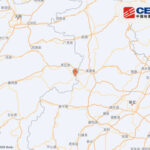
4.2 magnitude earthquake strikes Lingqiu County in Shanxi’s Datong, with a focal depth of 8 kilometers.
According to official measurements from the China ...
Heavy torrential rain hits parts of Guangdong coast, with a town in Yangjiang recording over 800 mm of rainfall in 24 hours.
According to monitoring by Guangdong provincial me...

Exploring Cultural China: New Tech-Enabled Scenarios Unveiled at the Cultural Expo, Highlighting Its Cultural Charm
With the help of naked-eye 3D devices, "unfolding"...
The latest Asian university rankings: Tsinghua and Peking University take the top two spots.
On April 23, the latest 2026 Asian University Rank...