Chongqing, June 3 (Xinhua) — The Chongqing Municipal Archives Bureau and the Chongqing Municipal Archives jointly released the first batch of the “Chongqing Archives and Documents Heritage List” on June 3. Fourteen precious archival documents, including the “Archives of the Victory Monument of the War of Resistance and the People’s Liberation Monument” and the “Archives of the Chongqing Bombing,” were selected.
A relevant official from the Chongqing Municipal Archives stated that the first batch of selected archival heritage covers multiple fields such as economy, culture, history, and urban development. The content is rich and highly representative, including various media such as paper, audio-visual materials, and stone inscriptions. The submitting units involve archives, museums, universities, as well as industry units and enterprises in finance, transportation, and other sectors.
The selection was primarily based on five core criteria: First, high value, requiring that the archives reflect important historical facts or major events in Chongqing, or have distinct regional or ethnic characteristics; second, unique form and style, reflecting lost or endangered writing techniques and media, or having unique academic significance; third, systematic and complete, capable of fully reflecting a certain thematic content; fourth, rarity, requiring that the archives be unique or particularly scarce copies; fifth, temporality, generally requiring a formation period of no less than 50 years.
For example, the “Archives of the Chongqing Bombing,” totaling 126 items, consist of original records formed by local military and government departments in Chongqing and the bombed victims from 1938 to 1943. These records document the number of Japanese aircraft sorties, bombing times, bombing processes, casualties, and damaged buildings and property during the bombing. They are ironclad evidence exposing the Japanese militarist aggression against China and the massacre of the Chinese people.
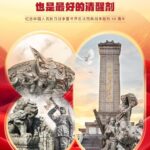
Another example is the “Archives of the Victory Monument of the War of Resistance and the People’s Liberation Monument,” formed from 1939 to 2013, totaling 269 items. These mainly include records of the construction of the “Spiritual Fortress,” design manuscripts of the Victory Monument of the War of Resistance, and the monument name personally inscribed by Liu Bocheng. These archives document the planning and construction process and reflect the construction situation in relevant historical periods, involving drawings, inscriptions, documents, and photos. They are important historical materials witnessing the historical significance of the landmark “Liberation Monument.”
In the next step, the Chongqing Municipal Archives Bureau will regularly carry out the selection work of municipal-level archival documents and heritage, continuously enrich the list database, and deeply explore the contemporary significance and value of archival documents through exhibitions, special lectures, compilation, research, and publication.