
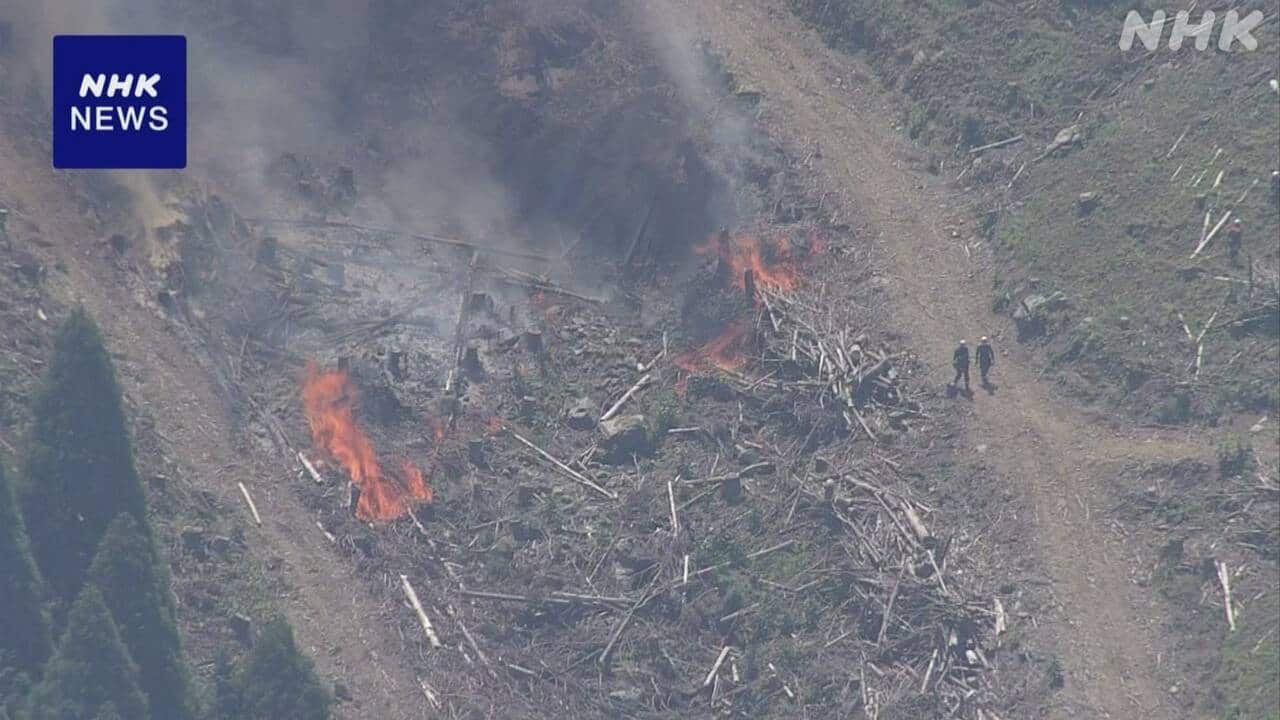
A fire broke out on the morning of the 19th on a mountainside in Kurume City, Fukuoka Prefecture, and as of 5:30 p.m., the fire had not been extinguished. Fukuoka Prefecture has requested disaster dispatch from the Self-Defense Forces.
Around 9:40 a.m. on the 19th, on a mountainside in Yamamoto Town, Kurume City, a cedar…
Kurume City
Kurume City, located in Fukuoka Prefecture, Japan, is known for its rich history as a castle town during the Edo period and its vibrant traditional crafts, particularly Kurume Kasuri, a distinctive indigo-dyed cotton textile. The city also played a significant role in the industrialization of the region, notably through the development of the rubber industry in the late 19th and early 20th centuries. Today, Kurume blends its historical heritage with modern innovation, offering attractions like the Kurume Castle ruins and the annual Kurume Kasuri Festival.
Fukuoka Prefecture
Fukuoka Prefecture, located on the northern shore of Kyushu, Japan, is historically significant as the site of Dazaifu, an ancient administrative capital, and the landing point for Mongol invasions in the 13th century. Its main city, Fukuoka, was formerly two separate towns—the merchant district of Hakata and the samurai stronghold of Fukuoka—which merged in 1889. Today, the prefecture is known for its vibrant food culture, historic temples, and festivals like Hakata Gion Yamakasa.
Kurume Castle ruins
The Kurume Castle ruins, located in Fukuoka Prefecture, Japan, are the remains of a flatland-style castle originally built in the early 17th century by the Arima clan. The castle served as the seat of the Kurume Domain during the Edo period, but much of its structure was dismantled after the Meiji Restoration. Today, the site is a public park featuring stone walls, moats, and a reconstructed turret, offering visitors a glimpse into its feudal past.
Kurume Kasuri
Kurume Kasuri is a traditional Japanese indigo-dyed cotton textile with a distinctive blurred or “splashed” pattern, originating from the Kurume region in Fukuoka Prefecture. Its history dates back to the late Edo period (around the 18th century), when a local weaver named Denosuke Kuroki developed the unique kasuri weaving technique. Recognized as an Important Intangible Cultural Property of Japan, this fabric is highly valued for its durability and rustic beauty, often used in kimonos and modern crafts.
Kurume Kasuri Festival
The Kurume Kasuri Festival is an annual event in Kurume City, Japan, celebrating the region’s traditional indigo-dyed cotton textile known as Kurume Kasuri, which dates back over 200 years. The festival showcases this unique weaving technique through parades, workshops, and exhibitions, highlighting its cultural significance and the craftsmanship passed down
Kurume City
Kurume City, located in Fukuoka Prefecture, Japan, is historically known as a prosperous castle town that flourished during the Edo period under the Arima clan. It is famous for its traditional crafts, particularly Kurume Kasuri, a distinctive indigo-dyed cotton textile that has been produced for over 200 years. Today, Kurume is also recognized for its industrial development and the beautiful seasonal cherry blossoms along the Chikugo River.
Fukuoka Prefecture
Fukuoka Prefecture, located on Japan’s Kyushu island, has a rich history as a gateway for cultural exchange with the Asian mainland, notably through the ancient port of Dazaifu. It was the site of the Mongol invasions in the 13th century, repelled with the aid of typhoons known as *kamikaze*. Today, Fukuoka is a vibrant hub known for its ancient temples, modern city life, and famous Hakata ramen.
Kurume Castle ruins
Kurume Castle ruins, located in Fukuoka Prefecture, Japan, are the remnants of a historic fortress built in the early Edo period by the Arima clan. The castle served as the seat of the Kurume Domain for over 200 years before being largely dismantled during the Meiji Restoration. Today, the site features stone foundations, moats, and a reconstructed gate, offering visitors a glimpse into Japan’s feudal past.
Kurume Kasuri
Kurume Kasuri is a traditional Japanese indigo-dyed cotton fabric known for its distinctive, blurred patterns created by a unique ikat weaving technique. Originating in the Kurume region of Fukuoka Prefecture during the late Edo period (around the 18th century), it was developed by weavers who refined the process of resist-dyeing threads before weaving. Recognized as a UNESCO Intangible Cultural Heritage, this durable and breathable textile was historically used for everyday clothing, especially workwear, and remains a celebrated symbol of Japanese craftsmanship.
Kurume Kasuri Festival
The Kurume Kasuri Festival is an annual event held in Kurume, Fukuoka Prefecture, Japan, celebrating the region’s traditional indigo-dyed cotton textile known as Kurume Kasuri. This weaving technique dates back to the early 19th century, when it was developed by local artisan Den Inoue, and the festival typically features exhibitions, workshops, and parades showcasing the craft. The event not only honors the history of this unique fabric but also aims to preserve and promote it for future generations.
Dazaifu
Dazaifu is an ancient city in Fukuoka Prefecture, Japan, that served as the administrative and military center of Kyushu from the 7th to the 12th centuries. It was historically the site of a key government outpost that managed trade and diplomacy with China and Korea, but declined after the Mongol invasions. Today, Dazaifu is best known for the Dazaifu Tenmangu Shrine, a major Shinto shrine dedicated to the scholar and deity Sugawara no Michizane.
Hakata Gion Yamakasa
Hakata Gion Yamakasa is a vibrant and historic festival held annually in Fukuoka, Japan, with origins dating back over 760 years to 1241. It began as a ritual to pray for protection against a plague, where priests carried portable shrines through the city. Today, the festival is famous for its thrilling early-morning races, where teams of men in traditional attire sprint through the streets while carrying massive, elaborately decorated floats called *kazariyama*.
Hakata
Hakata is a historic district in Fukuoka, Japan, known for its role as a major port and cultural gateway for trade with China and Korea since ancient times. It is famous for Hakata Gion Yamakasa, a vibrant summer festival with over 700 years of history, and for originating Hakata ramen, a renowned tonkotsu (pork bone broth) noodle dish. The area also houses ancient temples like Shofukuji, Japan’s first Zen temple, reflecting its deep historical and religious significance.
Related news

“Demo Calendar” Run by a Housewife – The Sentiments Behind Two Buttons
As protests against war and constitutional revisio...

People with dementia participate in product development, saying “It’s fun,” while companies also say “It’s a joy.”
If only there were products that could solve these...

Barista with disabilities competes in skills competition: “I grew through this experience.”
A competition showcasing the skills of baristas wi...

The 13th Hakone Ekiden after 41 years: A 65-year-old University of Tokyo professor becomes the “water station uncle.”
The final stages of the 9th leg (23.1 km) were app...

Japanese high school students launch commercial muscle protein bar made from fish paste.
"Kinniku Kamaboko," or muscle "kamaboko" fish cake...